
How To
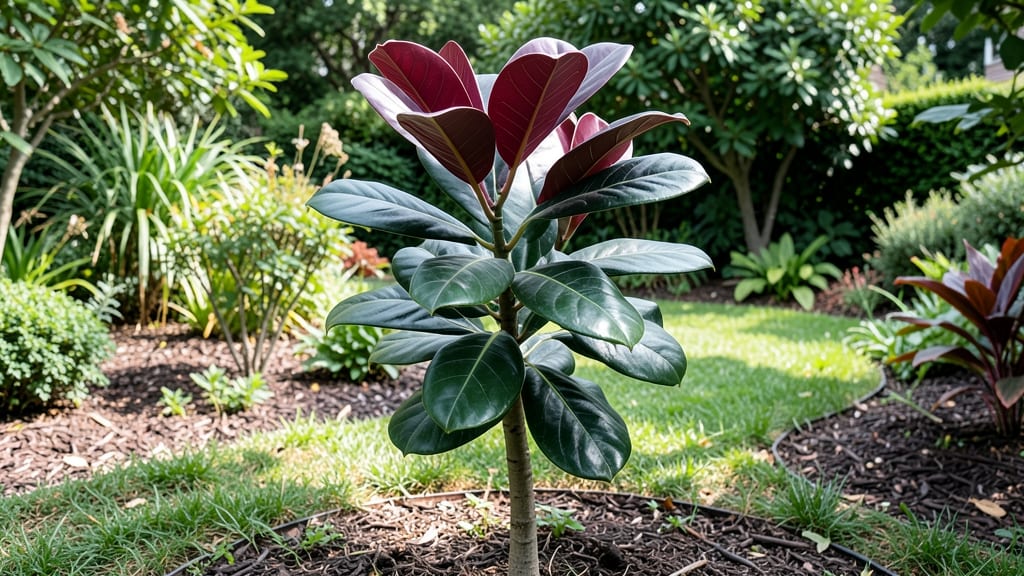
If you’ve ever wondered how tall a rubber plant can grow indoors and whether it’s destined to become a jungle ceiling or stay a manageable houseplant, you’re not alone. These striking plants can reach heights between 3 feet and a towering 10 feet indoors—but their growth isn’t just about luck.
The right care, light, and a little strategic pruning can turn a wild, leggy giant into a perfectly sized statement piece.
What most people don’t realize is that your Rubber Plant’s height is largely in your hands.
Whether you’re dealing with a compact ‘Burgundy’ variety or a fast-growing ‘Variegata’, understanding how to control its growth can save you from a plant that outgrows its space—or worse, flops over like a drunk giraffe.
Let’s break down the science (and secrets) behind Rubber Plant growth so you can shape your plant’s future.
From picking the right spot to knowing when to trim, I’ll walk you through everything you need to keep your Rubber Plant at your ideal height—whether that’s a 3-foot tabletop buddy or a 6-foot living room centerpiece.
You’ll also learn how to spot the signs of overgrowth early and fix it before it becomes a problem. Ready to take control of your plant’s destiny?
By the end of this guide, you’ll know exactly how tall your Rubber Plant can grow—and how to make sure it stays exactly where you want it. No more guessing, no more surprises. Just a plant that fits your space and your style.


Rubber plant height by variety: small, medium, and giant growth expectations
Your rubber plant’s height isn’t just luck—it’s all about the variety you’ve chosen. Some cultivars stay compact at 3 feet, while others reach 10 feet indoors. The key is understanding each type’s growth potential and how to encourage (or control) its ambitions.
Let’s break down the most popular rubber plant varieties by size and growth habits.
First, know that rubber plants typically mature in 3-5 years indoors, with the fastest growers adding 1-2 feet per year under ideal conditions. Dwarf varieties, however, may take longer to reach their full height.
The secret to managing height lies in light exposure, pruning frequency, and even the size of your pot.
Pro Tip: Always check the leaf variegation and stem thickness when selecting a plant—thicker stems often mean faster growth. For example, the 'Black Prince' variety grows taller than the 'Burgundy' type, even under the same care conditions.
If you’re working with limited space, the 'Tineke' or 'White Knight' varieties are your best bets—they stay under 4 feet even with minimal pruning. For a bold statement plant, the 'Black Prince' or 'Robusta' will dominate any room, reaching 10 feet if left unchecked.
Here’s a quick growth hack: Place your rubber plant in a north-facing window to slow its growth, or move it to a south-facing window for faster, bushier development. The difference in height can be 2-3 feet over just a few years!
For those who love variegated varieties like 'Variegata', be prepared for slower growth—their stunning patterns require more energy to produce, which can limit their height. However, they make up for it with wider foliage and a fuller appearance.
One common misconception is that all rubber plants grow at the same rate. In reality, stem thickness and leaf size are strong indicators of future growth. Thicker stems often mean faster vertical growth, while smaller leaves suggest a more compact habit.
To keep your rubber plant’s height in check, I recommend pruning in early spring before the growing season kicks in. This not only controls height but also encourages bushier growth and can even revitalize older plants. Just be sure to use sharp, clean scissors to avoid damaging the stems.
For the fastest-growing varieties like 'Robusta', expect to prune twice a year to maintain a manageable size. With patience and the right variety, you can enjoy a rubber plant that fits perfectly in your space—whether you want a 3-foot tabletop plant or a 10-foot indoor tree.
How to control rubber plant height: pruning, training, and light secrets
Your rubber plant’s height growth isn’t set in stone—it’s a mix of genetics, care, and a little strategic intervention. With the right techniques, you can keep it compact for small spaces or encourage towering growth for dramatic indoor statements.
The key lies in pruning, training, and light exposure, all of which I’ll break down step by step.
First, let’s talk about pruning for height control. Rubber plants respond well to pruning, and cutting back the top growth can stimulate bushier growth while slowing vertical expansion. The best time to prune is in spring or early summer, when the plant is actively growing.
Use clean, sharp pruners to cut just above a leaf node—this is where new growth will sprout.
For training vines or leggy stems, try staking or weaving. If your rubber plant develops long, bare stems, gently tie them to a moss-covered stake or trellis. This encourages upward growth while keeping the plant upright and fuller.
You can also rotate the pot every few weeks to ensure even light exposure, which prevents lopsided growth.
Light exposure plays a huge role in height control. Rubber plants grown in low light tend to stretch and become leggy, while those in bright indirect light stay compact and bushy.
If your plant is growing too tall too fast, move it to a sunnier spot (but avoid harsh afternoon sun, which can scorch leaves). A south- or west-facing window is ideal for balanced growth.
Finally, fertilizer timing can influence height. Over-fertilizing in the fall or winter can lead to weak, elongated growth. Stick to a balanced fertilizer (10-10-10) every 4-6 weeks during spring and summer, and reduce feeding in cooler months.
This ensures your rubber plant grows strong and sturdy rather than tall and wobbly.
With these techniques, you’ll have a rubber plant that fits your space perfectly—whether you want a desk-sized companion or a room-filling giant. The secret is consistency in care and a little patience as it adjusts to your guidance. Happy pruning! 🪴✂️