
Plants
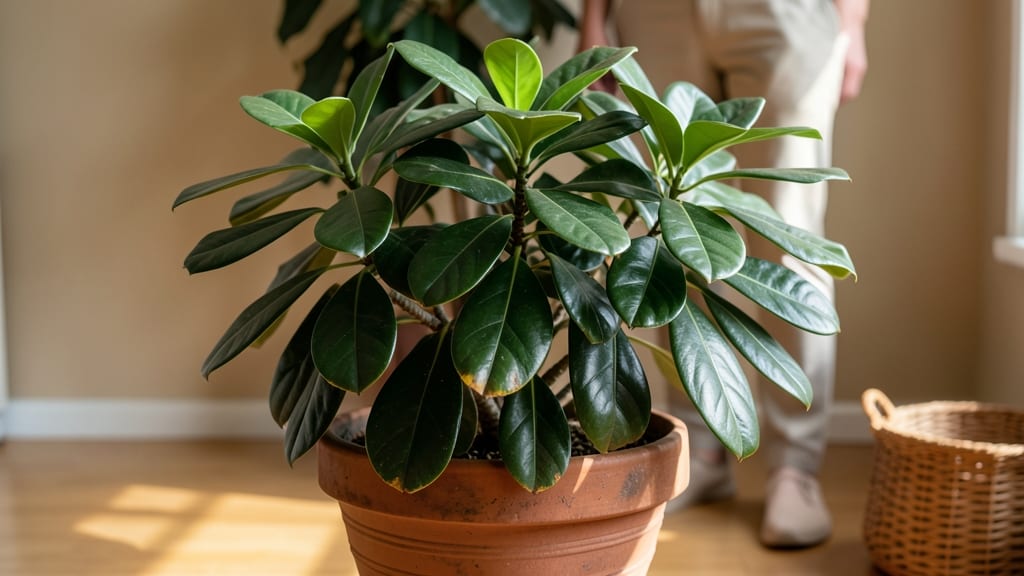
Curious about how tall an umbrella plant can grow? These tropical beauties aren’t just eye-catching—they can grow from compact tabletop companions to towering indoor statements, depending on care and variety.
Whether you’re planning a cozy corner display or aiming for a bold room divider, knowing their growth potential helps you pick the perfect spot and care routine.
Most umbrella plants mature between 4 to 6 feet tall, but some dwarf varieties stay under 3 feet, making them ideal for small spaces.
The key to controlling their height lies in pruning, sunlight exposure, and container size—all factors we’ll break down to help you shape your plant’s growth exactly how you want.
If you’re wondering whether your umbrella plant will outgrow its current home, don’t worry—we’ll cover how to manage its size with simple, actionable tips. From adjusting watering schedules to choosing the right fertilizer, you’ll learn how to keep your plant thriving at any height.
Ready to transform your space with a lush, low-maintenance plant? Let’s dive into the details so you can enjoy your umbrella plant’s full potential—without any surprises.


Umbrella plant height by variety: exact growth expectations
If you're considering adding an umbrella plant (Schefflera) to your space, knowing its mature height is key to placement and care. These plants grow at wildly different rates depending on the variety, and choosing the right one ensures your home stays both stylish and manageable.
Some varieties top out at just 2 feet, while others can reach 10 feet or more with ideal conditions. Let’s break down the exact heights you can expect from popular Schefflera species and hybrids.
The most common umbrella plant, Schefflera arboricola, typically matures between 4 to 6 feet tall indoors, making it a perfect mid-sized statement plant.
In outdoor tropical climates, this variety can grow even taller—up to 12 feet—but it’s less cold-hardy and usually grown as a houseplant in cooler regions.
For those with limited vertical space, dwarf varieties like 'Trinette' or 'Gold Capella' stay compact at just 2 to 3 feet, ideal for shelves or desks.
| Variety | Mature Height (Indoors) | Growth Rate | Best For |
|---|---|---|---|
| Schefflera arboricola (Standard) | 4–6 ft | Moderate (1–2 ft/year) | Living rooms, hallways |
| Schefflera actinophylla (Umbrella Tree) | 6–10 ft (indoors), 12+ ft (outdoors) | Fast (2–3 ft/year) | Large spaces, greenhouses |
| Schefflera elegantissima (Australian Umbrella) | 3–5 ft | Slow to moderate | Offices, small apartments |
| 'Trinette' (Dwarf) | 2–3 ft | Slow (6–12 in/year) | Shelves, desks |
| 'Gold Capella' (Variegated) | 3–4 ft | Moderate | Bright spaces, accent plants |
For outdoor gardeners in warm climates (USDA Zones 10–11), Schefflera actinophylla—often called the umbrella tree—can grow into a small tree, reaching heights of 12 to 15 feet over time. This variety thrives in full sun and well-draining soil, making it a stunning focal point for tropical landscapes.
However, if you live in a cooler climate, stick to container gardening to protect it from frost and manage its size.
If you’re working with limited space, opt for dwarf hybrids like 'Trinette' or 'Gold Capella,' which are bred to stay under 3 feet. These varieties are perfect for apartment living or office decor, as they fit neatly on shelves, desks, or countertops.
Just remember, even dwarf varieties can grow taller with proper care, so regular pruning is essential to maintain their compact size.
Light exposure plays a huge role in determining how tall your umbrella plant grows. Place your plant near an east or west-facing window for bright, indirect light, which encourages steady growth without stretching.
Avoid direct southern sunlight, as it can scorch the leaves and stunt growth. In low-light conditions, umbrella plants grow slower and may become leggy, reaching for light but staying shorter overall.
Container size also affects height. Smaller pots restrict root growth, which can slow vertical expansion but may lead to root-bound stress over time. For optimal growth, choose a container at least 12 inches wide for standard varieties and 8 inches for dwarf types.
Always use a pot with drainage holes to prevent root rot, which can weaken the plant and limit its height potential.
Fertilization is another critical factor. During spring and summer, feed your umbrella plant with a balanced fertilizer (10-10-10) every 4–6 weeks to encourage healthy, upward growth. In fall and winter, reduce feeding to once every 8–12 weeks, as growth naturally slows during these seasons.
Over-fertilizing can lead to salty soil, which may cause leaf burn and stunted growth.
Understanding your umbrella plant’s
How to control umbrella plant height: pruning and care tips
Controlling your umbrella plant's height is easier than you think! With the right pruning techniques and care adjustments, you can keep it compact or encourage it to grow taller—perfect for fitting your space.
Whether you want a bushy tabletop plant or a tall statement piece, these tips will help you shape its growth naturally.
Start by understanding that pruning isn’t just about cutting back—it’s about guiding growth. For shorter plants, prune the top stems to encourage bushier growth, while leaving taller stems intact will promote upward growth. The key is timing: prune in spring or early summer when the plant is actively growing.
Use sharp, clean pruning shears to make cuts just above a leaf node (the bump where leaves grow). This encourages new branches to sprout from that spot, creating a fuller plant. Avoid cutting too close to the stem—leave about 1/4 inch to prevent damage.
Light exposure also plays a huge role in height control. Umbrella plants grow taller and leggier when they don’t get enough light. Place yours near an east or west-facing window for bright, indirect light, which promotes balanced growth.
If your plant starts stretching toward the light, it’s a sign it needs more sun exposure.
Finally, container size matters! If you want a compact plant, choose a smaller pot (12-16 inches in diameter). Root-bound plants grow slower and stay shorter. For taller growth, use a larger container (18+ inches) to give roots more room to expand.
Always use well-draining soil mixed with perlite or orchid bark to keep roots healthy.
With these simple steps, you’ll have an umbrella plant that fits your space perfectly—whether you love it tall and dramatic or bushy and compact. Happy pruning! 🌿