
How To
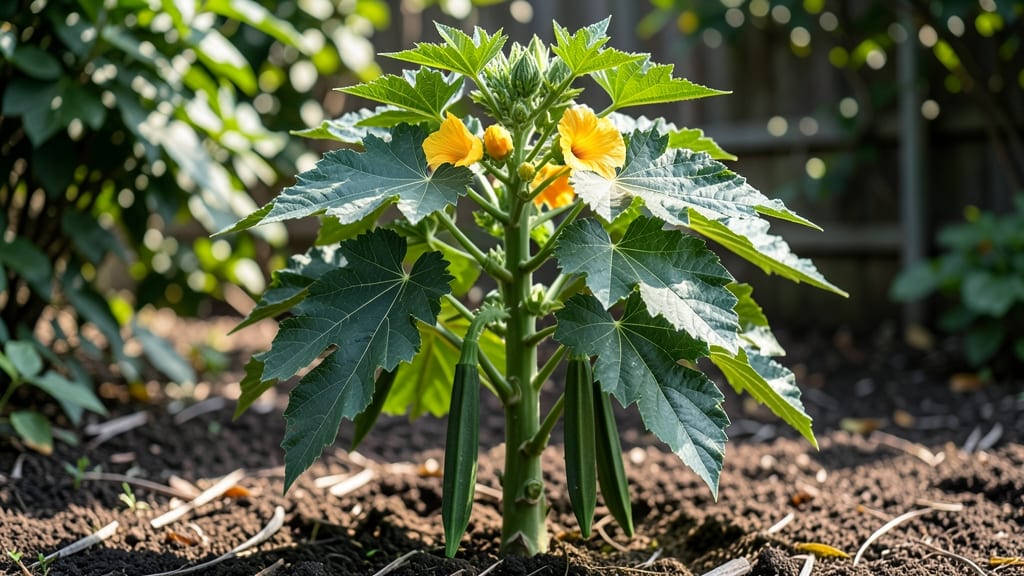
If you're curious about how tall okra plants grow, the answer might surprise you—these 🌱 giants can stretch from just 3 feet to towering heights of over 10 feet, depending on the variety and growing conditions.
Whether you're planning a backyard garden or a container setup, knowing the height range helps you avoid overcrowding and maximize your harvest.
Some okra varieties stay compact, making them ideal for small spaces, while others grow tall and leggy, needing support or trellising. The key to managing their height lies in understanding your specific variety and adjusting care techniques like pruning or spacing.
Let’s break down what influences okra’s growth and how you can tailor your approach for the perfect plants.
From dwarf types that fit neatly in pots to towering varieties that reach for the sky, okra’s height can change dramatically based on factors like sunlight, soil, and even your watering habits.
By learning these nuances, you’ll be able to create the ideal conditions for your plants—whether you want them to stay short or climb high. Ready to discover the secrets to controlling okra’s growth?
We’ll also tackle common questions, like whether okra thrives in containers or how to support tall plants without sacrificing yield. With the right knowledge, you’ll transform your garden into a thriving okra haven, no matter how much (or little) space you have to work with. Let’s get growing!


Okra plant height by variety: dwarf to giant types explained
Okra plants are famous for their impressive height, but not all varieties reach the same towering stature. The height range spans from 3-foot dwarf types to 10-foot giants, making variety selection your first step in controlling garden layout.
Whether you're working with limited space or aiming for a dramatic vertical display, understanding each type’s growth habit helps you plan spacing, trellising, and even container gardening strategies.
Most home gardeners grow standard okra varieties like 'Clemson Spineless', which typically reach 6-10 feet tall under ideal conditions. These varieties thrive in warm climates and produce abundant pods when given plenty of sunlight and space.
However, if your garden is small or you prefer container growing, shorter varieties like 'Emerald' or 'Burgundy' can stay between 3-5 feet tall while still delivering a great harvest.
Here’s how okra height varies by variety, along with their unique growth habits and ideal uses in your garden:
| Variety | Mature Height | Growth Habit | Best For |
|---|---|---|---|
| Clemson Spineless | 6–10 ft | Tall, upright, vigorous | Large gardens, trellising |
| Emerald | 3–5 ft | Compact, bushy | Containers, small spaces |
| Burgundy | 4–6 ft | Medium height, upright | Balconies, raised beds |
| Jinchu | 8–12 ft | Extremely tall, fast-growing | Trellises, large plots |
| Bluestem | 5–7 ft | Medium, upright, heat-tolerant | Southern climates, trellises |
When choosing a variety, consider your garden’s layout and your harvest goals. For example, 'Clemson Spineless' is a top pick for large gardens because its height allows for vertical trellising, saving space while maximizing pod production.
Meanwhile, 'Emerald' is perfect for container gardening or small patios, where tall varieties might overwhelm the space. Always check seed packets for mature height estimates, as these can vary slightly based on growing conditions.
If you’re growing okra in containers, opt for shorter varieties like 'Emerald' or 'Burgundy' and use pots that are at least 12–18 inches deep to accommodate their root systems. Even these compact types can benefit from light trellising to improve airflow and make harvesting easier.
Just ensure your container has drainage holes to prevent root rot, a common issue with okra when soil stays too wet.
For those with large garden plots, taller varieties like 'Jinchu' or 'Clemson Spineless' can create a stunning vertical display while producing an abundance of pods.
These varieties often benefit from staking or trellising, which not only saves space but also makes it easier to spot and harvest pods before they become too fibrous.
I like to use bamboo stakes or wire cages for support, as they’re sturdy enough to handle the plant’s weight and flexible enough to grow with it.
Pro tip: If you’re unsure about a variety’s height, start with one or two plants in a test area of your garden. This lets you observe how they grow in your specific soil and climate before committing to a full plot.
Okra is forgiving, but its height can be surprising—especially in warm, sunny conditions where growth is rapid.
Remember, okra height isn’t set in stone. While genetics play a role, factors like pruning, sunlight, and soil quality can influence how tall (or short) your plants become.
In the next section, I’ll share my top tips for controlling okra height through pruning, trellising, and spacing strategies tailored to your garden’s needs.
How to control okra plant height: pruning, trellising & spacing tips
Managing okra plant height is easier than you think! Whether you’re dealing with a 6-foot giant or a 3-foot compact variety, the right techniques keep your garden organized and productive.
Start by understanding that okra naturally grows vertically, but you can prune or trellis to control its spread and encourage bushier growth for easier harvesting.
For tall varieties like 'Clemson Spineless,' use trellising to guide vines upward. This saves space and makes pods more accessible. Simply install a sturdy trellis or bamboo stakes at planting time and gently tie stems as they grow. This method also reduces disease risk by improving airflow around the plant.
- Pinch back top growth when plants reach 2 feet tall to encourage branching.
- Remove yellow leaves regularly to redirect energy to pod production.
- Avoid cutting into main stems—focus on side shoots for bushier growth.
- Use 6-foot tall trellises for varieties like 'Emerald.'
- Weave vines through horizontal supports for better stability.
- Harvest pods from below to avoid damaging the plant.
- Space dwarf varieties (3-4 ft) 18 inches apart.
- Give tall varieties (6-10 ft) 24-36 inches of space.
- Overcrowding leads to poor airflow and disease risks.
If your okra plants are growing too leggy, it’s often a sign of insufficient sunlight or overcrowding. Move plants to a sunnier spot immediately and thin them if needed.
For container growers, choose compact varieties like 'Burgundy' and ensure pots are at least 12 inches deep to accommodate root growth.
Another pro tip: Harvest frequently to encourage more branching. Okra pods grow rapidly, so check plants every 2-3 days during peak season. Removing mature pods signals the plant to produce more side shoots, resulting in a fuller, bushier plant over time.
For container gardening, combine pruning with regular fertilization to keep plants compact. Use a balanced fertilizer (like 5-10-10) every 4-6 weeks to support steady growth without excessive height. Just remember: even in pots, okra needs deep watering to prevent stunted growth.
With these techniques, you’ll have well-managed okra plants that fit your garden’s layout—whether you prefer a tall trellis or a bushy container. Happy growing! 🌿