
How To
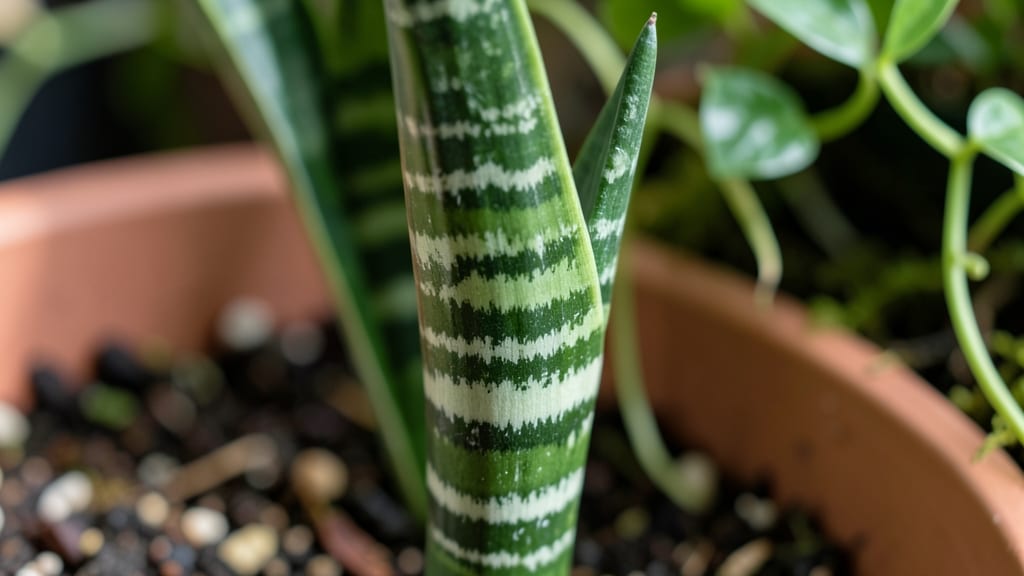
If you’ve ever wondered, snake plant how tall do they grow, you’re not alone—many gardeners assume these hardy plants will eventually reach sky-high proportions. But here’s the truth: most varieties top out at a surprisingly manageable 2 to 4 feet, depending on their type and care.
Whether you’re dealing with a compact 'Moonshine' or a towering 'Futura Superba,' understanding their growth patterns helps you plan your space—and avoid ceiling fan collisions.
The key to controlling your snake plant’s height lies in its variety. Some stay short and bushy, while others stretch tall and slender, like nature’s own skyscrapers. Light exposure, pot size, and even your watering habits play a role in whether your plant grows vertically or stays compact.
With the right care, you can keep your snake plant at your ideal height—whether that’s bookshelf level or just a few inches taller than your coffee table.
Don’t worry if your plant has already outgrown its spot. Pruning isn’t just for shaping—it’s a great way to manage height and propagate new plants. I’ll show you exactly how to trim your snake plant safely, so you can keep it at the perfect height for your space.
Plus, I’ll debunk the myth that these plants will inevitably become unruly giants—because with the right approach, they can stay as manageable as they are stunning.
Ready to take the guesswork out of snake plant growth? Let’s dive into the specifics of how tall each variety gets, what influences their height, and how to keep them looking their best—no matter how much (or little) space you have to work with.


Snake plant height by variety: how tall each type gets mature
Snake plants (Sansevieria) are famous for their resilience, but their mature height can vary dramatically depending on the variety. Some stay compact enough for a nightstand, while others reach ceiling-height in ideal conditions.
Let’s break down the most popular types and their growth expectations so you can choose—or adjust—your plant’s future size.
The classic 'Mother-in-Law's Tongue' (Sansevieria trifasciata), the most common variety, typically grows 2 to 4 feet tall with spreads of 1 to 2 feet. Its upright leaves make it a vertical statement piece, especially in low-light corners.
If you’ve ever seen one near a standard door frame (about 6-7 feet), that’s usually a mature specimen with years of growth.
Dwarf varieties, like Sansevieria 'Hahnii' (often called "Bird's Nest"), max out at 1 to 2 feet tall but spread wider, creating a bushy, rosette shape. These are perfect for small spaces or as tabletop plants. Meanwhile, the tallest snake plants, like Sansevieria 'Futura Superba', can hit 3 to 5 feet with bold, sword-like leaves.
| Variety | Mature Height | Growth Rate | Best For |
|---|---|---|---|
| Sansevieria trifasciata ('Mother-in-Law's Tongue') | 2–4 ft | Slow to moderate | Corner decor, tall spaces |
| Sansevieria 'Hahnii' ('Bird's Nest') | 1–2 ft | Slow | Tables, shelves, small rooms |
| Sansevieria 'Moonshine' | 1.5–3 ft | Moderate | Bright spaces, modern decor |
| Sansevieria 'Futura Superba' | 3–5 ft | Moderate | Large rooms, statement plants |
| Sansevieria cylindrica | 1–2 ft (spreading) | Very slow | Succulent collections, terrariums |
Pro tip: Variegated varieties, like Sansevieria 'Moonshine' or 'Golden Hahnii', grow slightly slower than solid-green types due to their energy demands for maintaining vibrant colors.
If you’re eyeing a taller snake plant but have limited ceiling space, opt for the 'Futura Superba'—its vertical growth is impressive without the 'Hahnii'’s sprawling habit.
One common misconception is that all snake plants will eventually reach 5+ feet. In reality, 90% of varieties stay under 3 feet unless given ideal conditions (like bright, indirect light and spacious pots).
Over-potting or over-fertilizing can actually stunt growth, not encourage it—more on that in the next section!
For height control, choose your variety based on your space. A 'Hahnii' on a bookshelf or a 'trifasciata' near a window will thrive without becoming a ceiling hazard.
And if you’re still unsure? Start with a propagation cutting—snake plants are easy to grow from leaves, so you can test different varieties risk-free!
🌿
Factors that control snake plant growth height (and how to optimize them)
Your snake plant’s height potential isn’t set in stone—it’s shaped by the environment you provide. Light exposure, pot size, and watering habits play starring roles in whether your plant stretches toward the sky or stays compact.
Even the soil type can influence how quickly it grows upward. Let’s break down the key factors and how to tweak them for the perfect height.
One of the biggest myths is that snake plants grow tall by default. In reality, many varieties stay under 2 feet if given the right conditions. Over-potting is a common mistake that encourages rapid vertical growth, while under-potting can stunt it.
The goal? Balance space with control to keep your plant at your desired height without sacrificing health.
Light exposure is the #1 growth regulator. Snake plants thrive in bright indirect light, which promotes steady, upright growth. Too little light? Your plant will stretch leggy and tall in search of sunlight. Too much direct sun? It may scorch and slow growth. The sweet spot is near an east-facing window, where it gets morning sun without harsh afternoon rays.
⚠️ Common Mistake: Overwatering for Height
Snake plants store water in their leaves, so frequent watering tricks them into growing taller and thinner as they reach for moisture. Water deeply but infrequently—only when the top 2-3 inches of soil are dry—to encourage stocky, compact growth.
Pot size matters more than you’d think. A too-large container holds excess moisture, signaling the plant to grow tall and sparse. Opt for a pot that’s only 1-2 inches wider than the plant’s root ball.
This limits upward growth while keeping roots happy. Terracotta pots are ideal—they wick away moisture and prevent root rot, which can weaken the plant’s structure.
Don’t overlook soil composition. A fast-draining mix with perlite or sand prevents waterlogging, which can cause root stress and uneven growth. Add a handful of orchid bark to improve aeration.
Avoid heavy garden soil—it compacts easily, slowing drainage and stunting growth. Pro tip: Repot every 2-3 years to refresh the soil and prevent nutrient depletion.
Finally, humidity and temperature play subtle but important roles. Snake plants prefer moderate humidity (40-50%)—too much can lead to soft, floppy leaves, while too little may cause tips to brown and crisp.
Keep your plant away from drafty windows or vents, which can stress it and alter growth patterns. A consistent 65-85°F range keeps it growing steadily without sudden spikes.
By mastering these factors, you’ll control your snake plant’s height while keeping it healthy and lush. Start with the right pot and soil, then fine-tune light and water—your plant will thank you with perfect proportions and slow, steady growth. 🌱