
Companion Plants
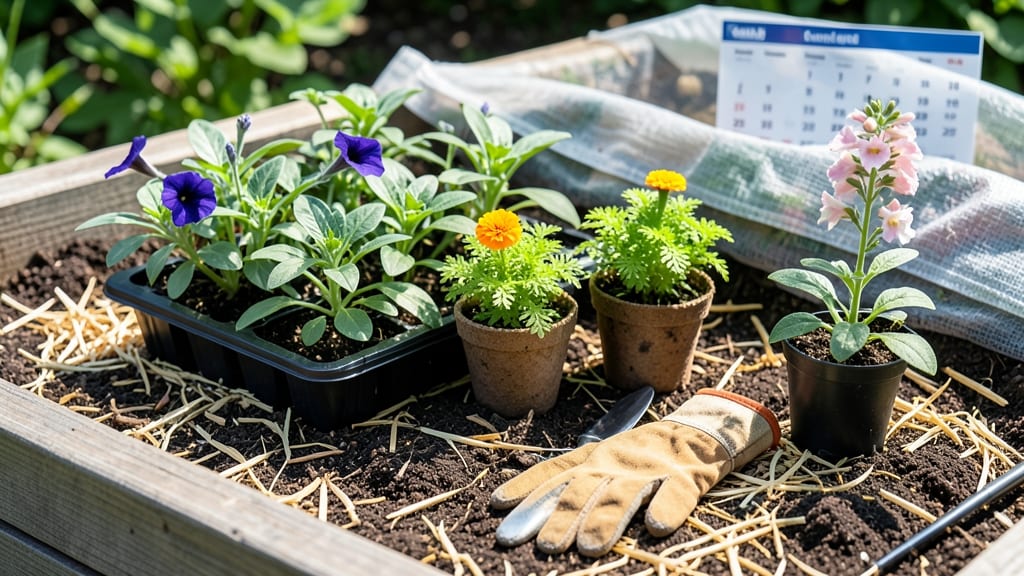
If you're wondering when can I plant annuals in Zone 5, the answer isn't just about frost dates—it's about soil temperature. That 50°F mark isn't just a number; it's the difference between fast germination and waiting weeks for your 🌸 to even sprout.
Zone 5 gardeners know the growing season is short, but timing your annuals right can stretch your harvests and blooms longer than you'd expect. The key? Planting when the soil warms up—not just when the air feels spring-like.
This simple shift in focus can mean the difference between a garden that thrives and one that struggles.
I'll show you exactly how to read your soil's temperature cues and adjust your planting schedule for both cool-season and warm-season annuals. Whether you're dreaming of vibrant summer flowers or crisp fall vegetables, knowing the right moment to put those seeds in the ground is the game-changer for your garden.
From extending your season with row covers to picking the fastest germinating varieties, you'll discover practical tips to make every planting window count. Let's get your annuals off to a running start this year.

Zone 5 annual planting schedule by soil temperature requirements
In Zone 5, where last frost typically hits around April 15 and first frost arrives by October 15, timing your annuals correctly is non-negotiable. The key? Soil temperature, not just air temperature.
Most annuals need soil to warm to at least 50°F before they’ll germinate reliably. For cool-season annuals, like lettuce or pansies, you can plant much earlier—even when soil is still chilly.
Warm-season annuals, such as marigolds or tomatoes, demand warmer soil—60-70°F—to avoid stunted growth or poor germination. This means waiting until late May or early June in most of Zone 5.
But here’s the twist: microclimates (like south-facing slopes or urban heat islands) can push your planting window 1-2 weeks earlier.
To maximize your 150 frost-free days, I recommend planting cool-season annuals in early spring (March-April) and warm-season annuals after Memorial Day. For succession planting, sow fast-growing varieties like radishes or bush beans every 2-3 weeks until July. This stretches your harvest and keeps your garden buzzing all season.
🌱
🌱 Zone 5 Annual Planting Guide by Soil Temp
| Plant Type | Soil Temp Requirement | Ideal Planting Window | Notes |
|---|---|---|---|
| Cool-Season Annuals | 40-50°F | March 15 - April 30 | Lettuce, spinach, pansies, snapdragons |
| Warm-Season Annuals | 60-70°F | May 15 - June 15 | Marigolds, tomatoes, petunias, basil |
| Heat-Tolerant Annuals | 70°F+ | June 1 - July 15 | Cosmos, zinnias, okra, sweet potatoes |
| Fall Annuals | 50-60°F | August 1 - September 15 | Kale, radishes, calendula, stock |
💡 Pro Tip: Use a soil thermometer to confirm temps before planting—don’t guess!
For warm-season annuals, like tomatoes or peppers, I swear by starting seeds indoors 6-8 weeks before your last frost date. This gives them a head start, and you can transplant them outside once soil hits 60°F.
If you’re impatient, opt for heat-loving annuals like cosmos or zinnias, which germinate faster in warm soil and tolerate Zone 5’s heatwaves better than finicky varieties.
Don’t overlook fall planting! Many annuals, such as kale or pansies, thrive in cool autumn soil and even taste sweeter after a light frost. Aim to plant them 4-6 weeks before your first frost (around August 15 in Zone 5) for a second flush of color and harvest.
If you’re unsure about your local last-frost date, check with your extension office or use a frost calendar for your specific city. Even a 2-week shift in timing can mean the difference between a lush garden and a failed crop.
For example, in Chicago, last frost is usually May 10, while in Denver, it’s May 15—so adjust accordingly!
🌿
For container gardening, warm soil heats up faster than in-ground soil, so you can plant warm-season annuals 1-2 weeks earlier. Just ensure your pots have drainage holes and use heat-retaining fabrics (like black plastic mulch) to keep roots cozy.
And if you’re worried about late frosts, have row covers or frost cloths ready to protect tender seedlings.
Finally, keep a gardening journal to track your planting dates and success rates. Over time, you’ll spot patterns—like which microclimates in your yard stay warmer longer or which annuals thrive despite your short season. This knowledge becomes your secret weapon for Zone 5 gardening!
How to test soil temperature for perfect annual germination
Testing soil temperature is the secret weapon for Zone 5 gardeners. While air temperatures might hint at spring, soil warmth determines whether seeds will germinate or rot. Most annuals need at least 50°F soil to sprout consistently, but some—like tomatoes and peppers—require 60-70°F for best results.
Skipping this step is a common mistake that leads to patchy germination or wasted seed packets. Even if your thermometer says "spring," cold soil can delay germination by weeks. For example, cosmos seeds may take 10-14 days in 50°F soil but only 5-7 days in 60°F soil.
Use a Soil Thermometer
Insert the probe 2-4 inches deep in morning sunlight (soil is warmest then). Check readings at 10 AM for 3 consecutive days to confirm trends.
DIY Finger Test
Press your finger into moist soil. If it feels warm but not hot (like a lukewarm bath), it’s ~50°F. For 60°F+, it should feel hot to the touch.
Adjust for Microclimates
South-facing beds warm 2-3°F faster than north sides. Black plastic mulch can raise soil temps by 5-10°F in just days, speeding up germination for warm-season crops.
Plant When Ready
Once soil hits your plant’s threshold, sow seeds 1/4 inch deep and keep soil consistently moist (not soggy) until sprouts appear.
Pro tip: Warm your soil faster by covering beds with clear plastic for 3-5 days before planting. This trick adds 10-15°F to soil temps overnight, helping you start 2 weeks earlier in spring.
For fall planting, aim for soil temps between 50-60°F (ideal for kale, spinach, and pansies). Use a soil thermometer to time your late-summer sowings—planting too early can lead to bolting or poor flavor.
Remember: Cold soil + warm air is a recipe for seed rot. Always prioritize soil temp over calendar dates for reliable germination in Zone 5’s unpredictable climate. 🌱