
Companion Plants
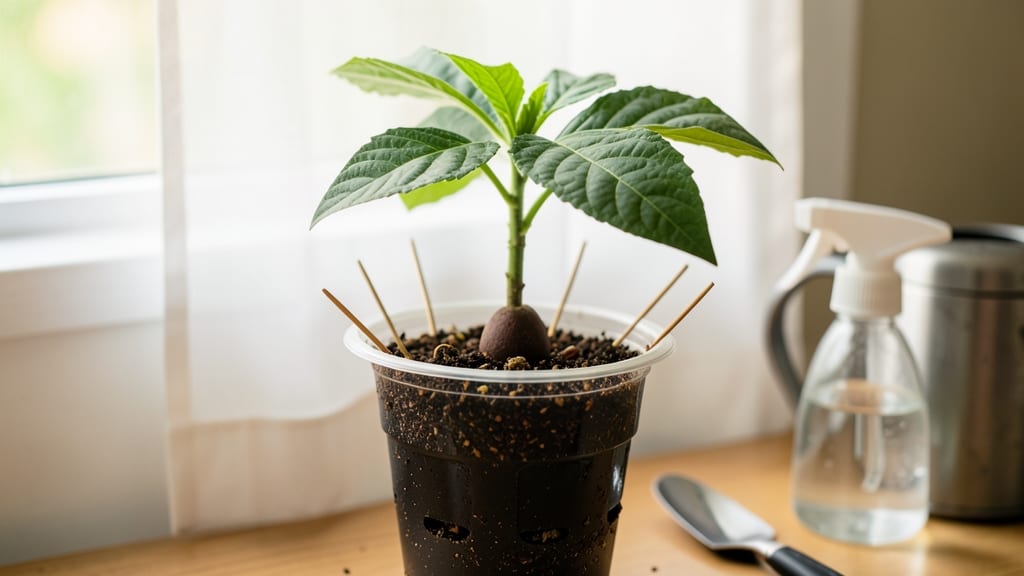
There’s nothing quite like watching that first 🥑 avocado seed sprout roots—only to wonder, "When can I plant my avocado seed in the soil?" Planting too soon risks drowning your seed, while waiting too long can stunt its growth.
The truth? Timing is everything, and the perfect moment arrives when roots hit 2-3 inches and the stem stands tall enough to handle soil.
I’ve helped countless beginners navigate this critical stage, and the key is patience paired with preparation. Whether you’re growing indoors near a sunny window or outdoors in USDA Zone 10+, knowing the exact 6-8 week window after germination makes all the difference.
Skip the guesswork and learn how to transplant your avocado seed into soil for roots that thrive.
This isn’t just about sticking a seed in dirt—it’s about setting up your future tree for success. We’ll cover soil types, drainage tricks, and even how to tell if your seedling is truly ready.
By the end, you’ll have a step-by-step plan to avoid the most common mistakes that kill seedlings before they even take off.
Ready to give your avocado seed the best possible start? Let’s dive into the science-backed schedule that’ll have you celebrating strong roots in no time—without the trial and error.
Optimal weeks after germination to transplant avocado seeds into soil
Timing your avocado seed transplant is critical—plant too soon, and you risk root rot; too late, and your seedling may become root-bound or leggy. The ideal window is 6 to 8 weeks after germination, when roots reach 2-3 inches long and the stem is sturdy.
This phase marks when your seedling has developed enough strength to handle soil, but isn’t yet overcrowded in its water jar.
Watch for these readiness signs: a thickened stem (about pencil-sized), secondary roots forming, and leaves unfolding. These indicate the seedling has stored enough energy for soil transition. Skipping this stage can lead to transplant shock, where delicate roots struggle to adapt to denser soil.
Environmental factors like temperature and humidity also influence timing. In warm climates (Zones 9-11), transplant between April and June when soil warms to 65°F+. In cooler zones (Zones 7-8), wait until May or June to avoid chilly soil, which can stunt root growth.
🌱 Key Takeaway: The 6-8 week rule is flexible—adjust based on root length and weather. For example, if your seedling’s roots hit 3 inches by week 5 in warm soil, it’s ready. Conversely, in humid climates, delay until roots are drier to prevent fungal issues.
Transplanting too early—before 6 weeks—risks root rot because seedlings lack the root mass to absorb excess moisture in soil. Conversely, waiting past 8 weeks may result in circular root growth (roots wrapping around the jar), which can strangle the seedling when removed.
To test readiness, gently squeeze the roots: if they’re firm but flexible, they’re ready for soil.
For indoor starters, aim for transplant in spring (March-April) to align with natural growth cycles. If you’re in a container garden, use well-draining potting mix with perlite or sand to mimic outdoor conditions. Outdoor transplants should wait until nighttime temperatures stay above 50°F to avoid cold stress.
Pro tip: If your seedling hits 8 weeks without transplanting, it’s not a disaster—just trim roots by 1/3 before planting to encourage outward growth. This mimics natural pruning and reduces shock. Use sterilized scissors and dip cut ends in cinnamon powder (a natural antifungal) to protect the plant.
Remember, patience is key. Rushing the transplant can set your avocado seedling back months. The 6-8 week window balances root development with environmental readiness, setting your tree up for lifelong health. Once transplanted, focus on consistent moisture and bright, indirect light to help it adjust.
🌱🌿🥑
Optimal weeks after germination to transplant avocado seeds into soil
Avocado seeds take patience, and rushing the transplant can kill your seedling. The ideal window is between 6 to 8 weeks after germination, when roots reach 2-3 inches long and the stem is sturdy. This timing balances root development with the seedling’s ability to handle soil stress.
Watch for these readiness signs: roots growing through drainage holes, a 2-inch stem, and leaves turning a deeper green. If you transplant too soon, roots break easily; too late, and the seedling becomes top-heavy and unstable.
Climate plays a critical role. In cooler zones (USDA 8-9), aim for late spring when nighttime temps stay above 50°F. In warmer zones (10+), transplant anytime—just ensure consistent moisture during the first 2 weeks.
Humidity matters too. If your home is dry, mist the seedling daily for 3 days post-transplant to reduce shock. In humid climates, reduce misting to every other day to prevent fungal issues.
Pro tip: If your seedling hits 8 weeks and isn’t ready, keep it in water until roots reach 3-4 inches. Patience here prevents root rot later.
Timing isn’t just about weeks—it’s about root health. A seedling with white, fibrous roots and no black/mushy spots is ready. Black roots mean it’s been overwatered in its container and needs more time.