
Companion Plants
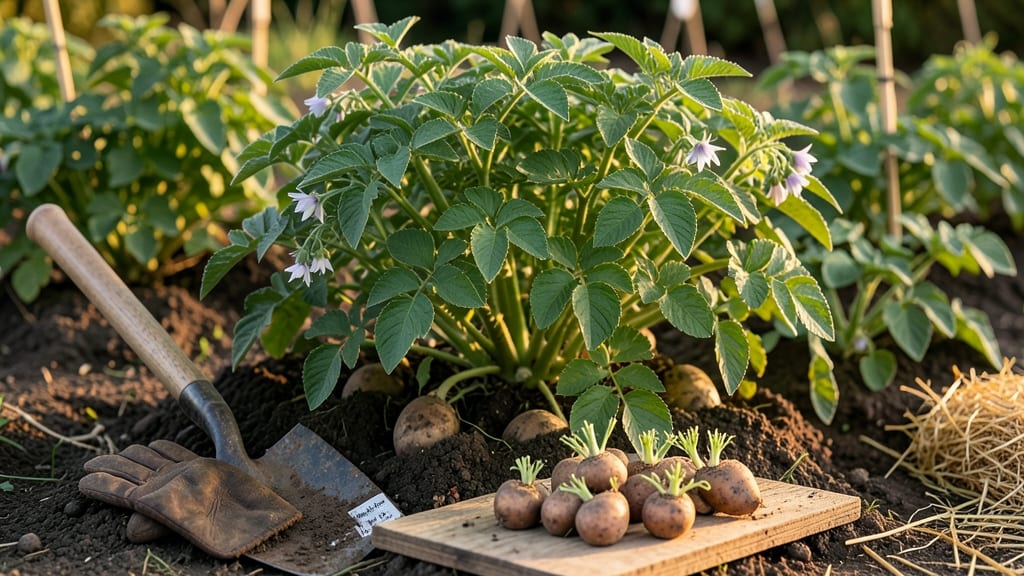
If you're asking "when can I plant potatoes in Zone 5", the answer isn't just about the calendar—it's about soil temperature, frost dates, and giving your 🥔 the perfect head start.
Plant too early, and a late frost will turn your tender sprouts into sad, mushy pancakes. Too late, and you'll miss the sweet spot for maximum yield before summer heat sets in.
Here's the secret: Zone 5 gardeners have a 6-week window before the last frost (usually mid-April) to get seed potatoes in the ground. But timing isn't just about dates—it's about soil warmth.
Cold soil? Your potatoes will rot before they sprout. We'll show you how to test soil temperature and adjust for your specific microclimate, whether you're in northern Illinois or upstate New York.
Ready to grow potatoes that rival your favorite farm stand? You'll discover the exact weeks to plant for early, mid, and late-season varieties, plus how to protect your crop from Zone 5's unpredictable spring weather. No more guessing—just a foolproof system to turn your garden into a potato powerhouse.
Let's dive into the details so you can start planting with confidence and harvest crisp, flavorful tubers all summer long. Your future meals (and your neighbors' jealous glances) will thank you.

Zone 5 potato planting timeline: exact weeks before last frost for maximum yield
In Zone 5, timing your potato planting is everything—get it wrong, and you risk late frosts stunting growth or early heat causing tuber stress. The key is planting 4–6 weeks before your last frost date, but with Zone 5's variable spring weather, flexibility is crucial.
Most gardeners in this zone aim for mid-March to early April, but your exact window depends on soil temperature and local frost patterns.
Potatoes thrive when soil reaches 45°F (7°C)—cold soil slows sprouting and delays harvest. Use a soil thermometer to confirm readiness. If your ground is still frozen in early spring, opt for early-maturing varieties (like 'Yukon Gold') to squeeze in a harvest before summer heat sets in.
Remember, Zone 5 spans 1,500+ miles, from Minnesota to the Appalachians, so adjust based on microclimates.
Here’s your Zone 5 potato planting timeline broken down by critical stages, including soil prep and frost protection tips:
Pro tip: If your last frost date is late (e.g., May 1 in northern Zone 5), plant early varieties like 'Red Norland' first. For southern Zone 5 (earlier frosts), prioritize longer-season types like 'Kennebec'. Always account for 10–14 days of buffer—Zone 5’s spring is famously unpredictable!
Another critical factor is soil temperature. Potatoes won’t sprout until the ground warms to 45°F (7°C). Use a soil thermometer to test—if it’s colder, delay planting or use black plastic mulch to warm the soil faster.
In my garden, I’ve seen a 10-day difference in sprouting between sunny south-facing beds and shady spots.
For second crops, plant late-season varieties (like 'Russet Burbank') in early June after the first harvest. This works in Zone 5’s shorter growing season because these tubers mature in 90–120 days, often escaping early fall frosts. Just be ready to harvest by late September to avoid frost damage.
One mistake I see often is planting too early when the soil is still cold. This leads to rotten seed potatoes or stunted growth. Wait until you can stick your hand 6 inches deep without hitting frozen soil—that’s your cue.
And if a late frost hits after planting, cover rows with frost cloth or old blankets until temperatures rise.
Finally, track your local frost dates for 3–5 years to spot patterns. The USDA’s Plant Hardiness Zone Map gives a baseline, but microclimates (like hills or valleys) can shift your frost window by 1–2 weeks.
In my experience, northern Zone 5 (e.g., Wisconsin) needs to plant 2 weeks later than southern Zone 5 (e.g., Virginia).
With these timing tips, you’ll avoid the most common Zone 5 potato pitfalls—and enjoy a harvest of crisp, disease-free tubers all summer long. 🥔
How to adjust potato planting for Zone 5's unpredictable spring weather
Zone 5’s spring weather is famously unpredictable—one day it’s 50°F, the next it drops back to 32°F with overnight frost. If you plant too early, your seed potatoes can rot in cold soil, while waiting too long risks late blight or stunted growth as summer shrinks.
The key is flexibility: knowing how to adjust planting times and protect your crop when Mother Nature throws curveballs.
Start by monitoring your local frost dates. While the USDA average for Zone 5’s last frost is mid-April, your yard might experience it 2–3 weeks earlier or later.
Check your Almanac’s Frost Calendar or use a soil thermometer—potatoes thrive in 45–55°F soil, but won’t sprout below 40°F. If your soil stays cold, try container growing or a cold frame to warm it faster.
Here’s how to handle the most common Zone 5 spring surprises:
⚠️ Late Frost Alert: What to Do When Temperatures Drop After Planting
- Use row covers: Lay lightweight frost blankets over plants if a frost is forecasted within 72 hours of planting.
- Choose cold-hardy varieties: Yukon Gold or Red Pontiac tolerate brief cold snaps better than Russet varieties.
- Plant deeper: Bury seed potatoes 6 inches deep (instead of 4) for extra insulation against late frosts.
- Avoid nitrogen: Skip fertilizer until soil warms—excess nitrogen makes plants more frost-sensitive.
Pro tip: If frost kills your sprouts, don’t panic! New shoots will emerge from the eyes of the buried tuber.
For gardeners who want to extend the growing season, a second planting in late May or early June can yield a fall harvest. Opt for fast-maturing varieties like Early Girl (60 days) or Kennebec (80 days), and use black plastic mulch to warm soil and suppress weeds.
Just remember: potatoes need 90–120 days to mature, so time it so tubers finish before the first frost in October.
If your spring is exceptionally wet, raise beds or plant on mounds to prevent waterlogged soil, which causes rot. Conversely, if drought hits early, mulch heavily with straw to retain moisture and protect tubers from cracking.
The goal is to keep soil consistently moist but not soggy—potatoes are drought-sensitive during tuber formation (late spring to early summer).
Finally, don’t overlook soil preparation. Amend your beds with compost or well-rotted manure in fall to improve drainage. In spring, work in a balanced fertilizer (like 10-10-10) at planting, then side-dress with potassium-rich fertilizer when flowers appear to boost tuber development.
With these adjustments, you’ll turn Zone 5’s quirks into your advantage—not a roadblock.
🌱