
Plants
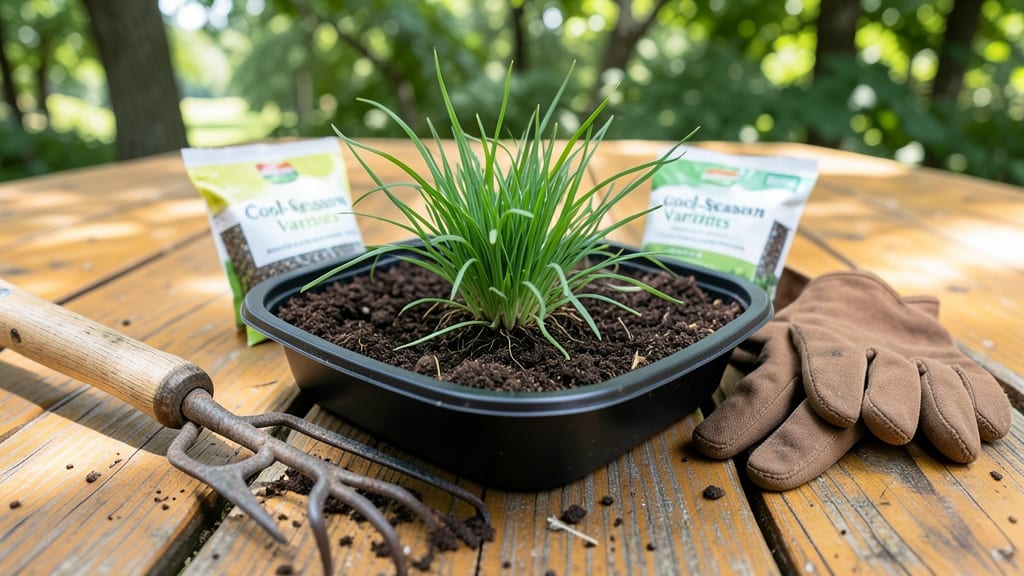
Planting your 🌱 lawn grass at the wrong time in spring can mean slow growth, wasted seeds, or even a patchy lawn that never quite lives up to your expectations.
The key to a vibrant, healthy lawn starts with understanding the perfect window—when soil temperatures and frost patterns align just right.
Most gardeners assume "as soon as possible" is the way to go, but rushing can backfire. Cool-season grasses thrive when soil hits 55-65°F, while warm-season varieties need to wait until the ground warms further. Getting this timing right isn’t just about the calendar—it’s about reading your soil’s signals.
In this guide, I’ll walk you through the fastest way to determine when your lawn grass is ready to plant, including soil temperature tricks, regional adjustments, and the best seed choices for your climate. Skip the guesswork and set your lawn up for success from day one.
Whether you're in USDA Zone 6a or another region, these insights will help you avoid common pitfalls and enjoy a lush, green lawn by summer. Let’s get started!
Optimal soil temperature ranges for planting grass seeds in spring
Getting your spring grass planting timing right starts with understanding soil temperature. Grass seeds need warmth to germinate, but planting too early or late can stall growth. For cool-season grasses like Kentucky Bluegrass and Fescue, aim for soil temps between 40°F and 55°F.
These varieties thrive in cooler climates and can handle early spring planting as soon as the ground thaws.
In contrast, warm-season grasses such as Bermuda and Zoysia prefer 65°F to 75°F soil temperatures. These grasses struggle in cold soil, so wait until late spring or early summer to plant them. The key is matching your grass type to your region’s last frost date and soil warming trends.
To test your soil temperature, use a soil thermometer buried 2-3 inches deep. Check temps in the morning for accuracy. If your soil is still below 50°F, hold off on planting—even if the air feels warm.
Cold soil can delay germination by weeks or even months, leaving your lawn vulnerable to weeds and erosion.
Regional differences matter too. In northern climates (USDA Zones 3-5), plant cool-season grass as soon as the soil warms to 45°F, typically in early April.
In southern climates (Zones 7-10), warm-season grasses like Centipede or St. Augustine should go in late April to June when soil hits 70°F+.
Pro tip: If you’re unsure about your soil temperature, use the "finger test". Stick your finger into the soil—if it feels cool but not freezing, it’s likely in the 50°F-60°F range, perfect for cool-season grass. For warm-season types, the soil should feel comfortably warm, like a summer afternoon.
One common mistake is planting too early because the air feels warm. Grass seeds need consistent soil warmth, not just a few sunny days. If you plant when the soil is still cold, seeds may rot or fail to sprout, wasting your time and money.
Another critical factor is moisture retention. Cool soil holds moisture longer, which helps seeds stay hydrated during germination. Warm soil dries out faster, so you’ll need to water more frequently if planting warm-season grass in hotter months.
For best results, aim to plant 2-4 weeks after your last frost date, when soil temperatures are stable. This window ensures your grass gets the warmth it needs without risking frost damage to new sprouts.
If you’re in doubt, consult your local cooperative extension service for region-specific advice. They can provide soil temperature data and planting windows tailored to your area’s climate patterns.
| Grass Type | Ideal Soil Temp | Best Planting Window | Regions | Germination Time |
|---|---|---|---|---|
| Cool-Season (Kentucky Bluegrass, Fescue, Ryegrass) | 40°F–55°F | Early spring (March–April) | Northern US (Zones 3–6) | 7–21 days |
| Warm-Season (Bermuda, Zoysia, St. Augustine) | 65°F–75°F | Late spring–early summer (May–June) | Southern US (Zones 7–10) | 10–30 days |
| Tall Fescue (Transition Zone) | 50°F–65°F | Late April–May | Mid-Atlantic (Zones 5–8) | 10–14 days |
*Germination times vary by seed brand and weather conditions.
Now that you know the ideal soil temperature ranges, the next step is preparing your soil. Loosen the top 4–6 inches with a rake or tiller to improve aeration and drainage.
Remove debris and level the area to ensure even seed distribution. If your soil is heavy clay or sandy, amend it with compost or peat moss to create an ideal seedbed.
Once planted, maintain consistent moisture by watering lightly twice daily until seeds germinate. Avoid overwatering, which can wash seeds away or cause rot. Within 2–4 weeks, you’ll see sprouts—proof that your timing was perfect!
5 Key signs your spring soil is ready for grass planting
Planting grass too early in spring can leave your seeds vulnerable to frost damage or poor germination, while waiting too long risks weed competition and dry soil. The best approach? Look for these 5 clear signs that your soil is primed for planting—beyond just checking the calendar.
First, soil temperature should consistently stay between 55°F and 65°F during the day. Use a soil thermometer (or press your hand into the ground—if it feels warm like a cozy bath, it’s ready!). Cold soil slows germination, while overheated soil can bake seeds before they sprout.
Soil moisture is another critical clue. Perform the "finger test": Stick your finger about 1-2 inches deep. If the soil feels damp but not soggy, it’s ideal. Overly wet soil suffocates seeds, while bone-dry soil prevents them from hydrating properly. Aim for consistently moist conditions without puddling.
Weed activity also signals readiness. If you see broadleaf weeds (like dandelions) sprouting, your soil is warming up—perfect timing for grass seeds. These weeds thrive in the same conditions as young grass, so their appearance means your lawn’s competitors are already active. Pre-emergent herbicides can help, but plant within 2-3 days of weed sprouting for best results.
Next, check for frost-free nights. Use your local last frost date as a baseline, but verify by monitoring nightly temperatures. If lows stay above 32°F for at least 5-7 consecutive nights, your grass seeds won’t face frost heave (when roots lift and die).
A frost cloth can buy you an extra week if needed.
Finally, soil texture matters. Crumbly, loose soil (not hard or compacted) lets seeds make direct contact with moisture and air. If your soil feels rock-hard, loosen it with a garden rake or aerator before planting.
Avoid tilling too deep—just 1-2 inches is enough to break up the surface without disturbing lower layers.
Pro tip: Morning dew without lingering frost is a natural indicator. If you wake up to dry grass blades by mid-morning but no ice, your soil is likely ready.
Combine these signs with your local planting window (early spring for cool-season grasses, late spring for warm-season types), and you’ll have a head start on a thick, green lawn by summer.