
Plants
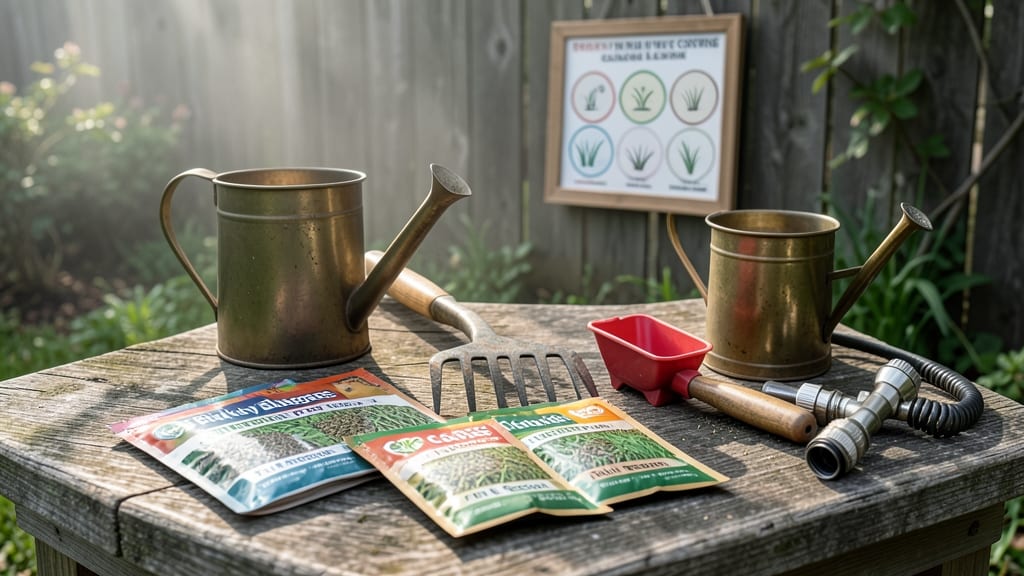
Timing your grass seed planting in Colorado wrong can mean waiting months—or even years—for that dream green lawn. With USDA zones 5-7 and elevation swings from 3,000 to 14,000 feet, the "perfect" window varies wildly across the state.
But get it right, and you’ll see fast germination in just 10-21 days, depending on your microclimate.
Most Colorado gardeners assume spring is the only time to plant, but fall offers a secret advantage—cooler temps and steady rainfall create ideal conditions.
Whether you’re seeding a new lawn in Denver’s Front Range or tackling the Western Slope’s drier climate, knowing your elevation’s last frost date (as early as April 10 in Colorado Springs) is the key to avoiding seed waste.
In this guide, I’ll break down the exact months to plant by elevation—from lowland pastures to mountain meadows—plus how to prep your soil for 90%+ germination rates. You’ll also learn how to adjust for Colorado’s unpredictable weather, including drought risks and sudden frost.
Ready to skip the guesswork? Let’s dive into the fastest, most reliable planting schedule for your Colorado lawn, so you can enjoy that lush 🌱 carpet all year long.
Colorado grass seed planting calendar by elevation: best months for fast germination
Colorado’s diverse elevations create wildly different planting windows—what works in Denver (5,280 ft) fails in Aspen (7,800 ft). Your elevation dictates soil warmth, frost dates, and even rainfall patterns. For fast germination, aim for when daytime temps hit 50°F+ and nighttime temps stay above 40°F.
Below, I’ve broken down the ideal months by elevation zone, including soil temperature triggers and rainfall thresholds.
At 3,000–5,000 ft (lowland), like Colorado Springs or Pueblo, your window opens earliest—often by late February to early March. But at 7,000+ ft (mountain regions), such as Steamboat Springs, wait until mid-May to avoid late frosts.
The key? Monitor soil temperature, not just air temp—seeds need 60°F+ soil to sprout reliably.
🌱
📅 Colorado Grass Seed Planting Calendar by Elevation
| Elevation Zone | Best Planting Months | Soil Temp Threshold | Rainfall Trigger | Seed Variety Recommendation |
|---|---|---|---|---|
| 3,000–5,000 ft (Lowland) | Late February–Early April | 50°F+ (daytime) | 0.5" rainfall/week | Kentucky Bluegrass, Tall Fescue |
| 5,000–7,000 ft (Foothills) | Early April–Mid-May | 55°F+ (daytime) | 0.75" rainfall/week | Fine Fescue, Ryegrass Blends |
| 7,000+ ft (Mountain) | Mid-May–Early June | 60°F+ (daytime) | 1" rainfall/week | Creeping Red Fescue, Alpine Bluegrass |
💡 Pro Tip: Use a soil thermometer ($10 on Amazon) to confirm temps—air temp can be misleading!
For lowland regions (3,000–5,000 ft), like Colorado Springs or Fort Collins, late February to early April is prime time. Here, Kentucky Bluegrass and Tall Fescue thrive with 0.5" weekly rainfall.
But if you’re in Denver (5,280 ft), shift your window to early April—soil warms slower due to higher elevation. Always check last frost dates: aim to plant 2–4 weeks after the average last frost to avoid seedling damage.
At higher elevations (7,000+ ft), like Vail or Telluride, wait until mid-May. These areas experience late frosts well into May, and soil stays cold longer. Creeping Red Fescue is your best bet here—it tolerates cold soil and dry conditions.
If you plant too early, seedlings will wither from frost or rot in cold, wet soil.
🌡️
⚠️ Soil Temperature Rules for Colorado
Seeds need consistent warmth to germinate. Use these guidelines:
- 50°F+: Safe for cool-season grasses (Kentucky Bluegrass, Ryegrass)
- 60°F+: Ideal for fast germination of all varieties
- 70°F+: Risk of dormancy if soil dries out (common in June)
💡 Tool Tip: Bury your soil thermometer 2 inches deep—that’s where seeds will be!
Don’t overlook fall planting in Colorado! While spring gets
Critical factors that determine your planting window in Colorado
Colorado’s diverse microclimates mean your perfect planting window could be weeks—or even months—off from your neighbor’s. Elevation, soil temperature, and seed type are the three biggest factors that dictate when to plant grass seed.
Ignore these, and you risk slow germination, weeds taking over, or seedlings dying from late frosts.
First, check your last frost date. In Denver, it’s around April 15, but in Grand Junction, it can be as early as March 20. Planting too soon risks killing tender seedlings.
Use a soil thermometer—ideal temps for cool-season grasses (like Kentucky Bluegrass) are 50–65°F, while warm-season types (like Bermuda) need 65–75°F.
Rainfall is another wild card. Colorado’s dry climate means you’ll need to water consistently, but too much rain can wash away seeds. Aim for 0.5–1 inch of rain per week after planting, or supplement with irrigation. Check your local NOAA rainfall forecasts before seeding to avoid disappointment.
Here’s the golden rule: Plant when soil is workable but not frozen. For most of Colorado, that’s late March to early May for spring planting and mid-August to early September for fall.
But if you’re in the mountains (7,000+ ft), wait until May or June to avoid late snow.
⚠️ Common Mistakes to Avoid
- Planting too early: Seedlings can’t survive frost or snow. Wait until soil warms to 50°F.
- Ignoring seed type: Cool-season grasses (like fescue) thrive in spring/fall, while warm-season (Bermuda) needs summer heat.
- Skipping soil prep: Compacted or rocky soil = poor germination. Rake to 1–2 inches deep and amend with compost.
- Overwatering: Drowning seeds causes rot. Keep soil moist but not soggy.
Pro tip: If you’re unsure about timing, use a seed germination calculator (like the one from University of Colorado Extension) to input your zip code. It’ll give you a personalized planting window based on local data.
For example, in Colorado Springs, early April is ideal, while in Fort Collins, you might need to wait until late April.
Finally, consider your grass seed blend. Tall fescue and fine fescue are drought-tolerant and can handle cooler temps, making them great for high-elevation areas. Meanwhile, Kentucky Bluegrass loves lowland heat but struggles in shady spots. Choose wisely to match your climate zone.
Once you’ve nailed the timing, the next step is soil prep and watering—but that’s a topic for our next section! For now, bookmark this guide and check your soil temp before you buy seed.