
Plants
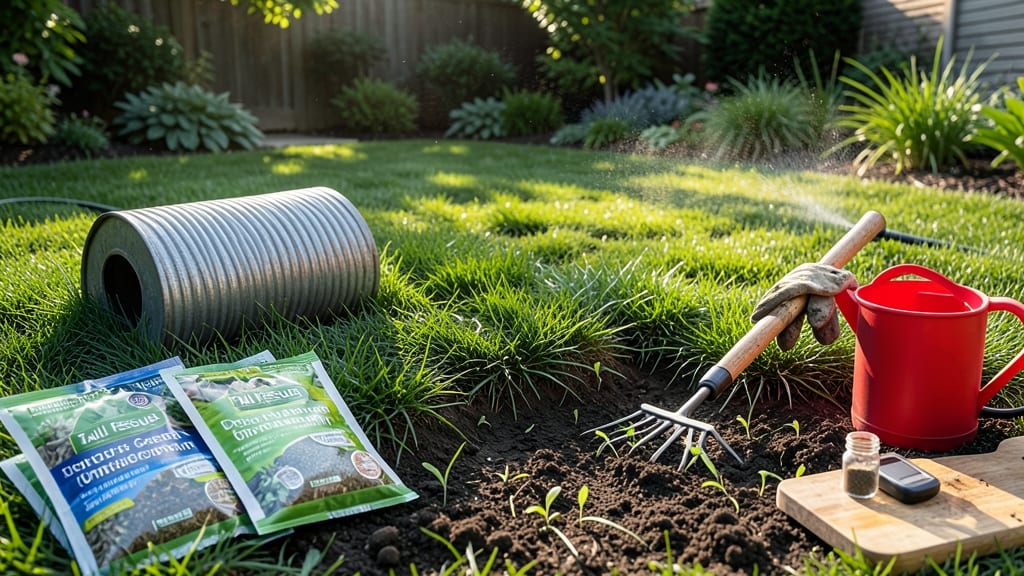
Planting your 🌱 Turfgrass (Lawn Grass) at the wrong time in Michigan can mean wasted seed and a patchy lawn—so timing is everything.
The key to a thick, green lawn isn’t just about throwing seed on the ground; it’s about knowing when the soil is just right and the weather plays in your favor.
In Michigan’s 5a-6b zones, your best window opens in early spring (March-April) or early fall (August-September), when soil temperatures hit that sweet spot of 50-65°F. But here’s the catch: planting too early risks frost damage, while waiting too long means missed opportunities for deep root growth before winter.
I’ll break down exactly when to plant based on your region—whether you’re in the Upper Peninsula or southern Michigan—so you can avoid common mistakes and get that lush lawn you’re dreaming of. Let’s make sure your seed takes root when it counts.
Ready to transform your yard? You’ll learn how to check soil temps, navigate frost dates, and pick the perfect moment for a strong start—without guessing. Your future lawn will thank you.
Michigan grass seed planting timeline by region: soil temperature rules for success
Timing your grass seed planting in Michigan isn't just about avoiding frost—it's about soil temperatures. Grass seeds need consistent warmth to germinate properly, and Michigan's two distinct regions (Upper vs. Lower Peninsula) have different rules.
I'll break down the exact soil temperature thresholds and frost-free windows that separate success from failure.
For most of Michigan, the ideal planting window spans early spring (March-April) and early fall (August-September). However, northern Michigan's cooler microclimates push these windows later by 2-4 weeks. The key metric? Soil temperature must stay above 50°F (10°C) for at least 4 consecutive weeks for germination.
Visual Element: Comparison Table
| Region | Spring Window | Fall Window | Soil Temp Threshold | Last Frost Date |
|---|---|---|---|---|
| Southern MI (Detroit, Lansing) | March 15 - April 15 | August 15 - September 15 | 50°F+ for 4+ weeks | April 1 - April 15 |
| Central MI (Grand Rapids, Kalamazoo) | March 30 - April 30 | August 1 - September 10 | 50°F+ for 4+ weeks | April 10 - April 25 |
| Northern MI (Traverse City, UP) | April 15 - May 15 | July 30 - August 30 | 55°F+ for 4+ weeks | May 1 - May 15 |
Notice how northern Michigan requires warmer soil (55°F) and has a shorter fall window? That's because cooler summers and earlier frosts limit the growing season.
Urban areas like Detroit often see earlier soil warming due to the "urban heat island" effect, while rural areas may need to wait 1-2 weeks longer.
Here's how to check your soil temperature: Use a soil thermometer (available at garden centers for $10-$15) and test it 1 inch below the surface in a shady spot.
If temperatures dip below 45°F (7°C) at night, cover your new seed with straw mulch to protect it from frost damage.
Pro tip: Early fall planting (August-September) often yields better results than spring because cooler temps reduce weeds and roots establish before winter. Just avoid planting when daytime temps exceed 85°F (29°C)bake in the heat.
For shady lawns (less than 4 hours of sun), consider fine fescue blends that tolerate cooler soil. These varieties germinate at 40°F (4°C), giving you a 2-week head start in spring. Just be prepared for slower establishment compared to sun-loving grasses.
Remember: Microclimates matter. A south-facing slope will warm up 2-3 weeks earlier than a north-facing yard. If you're unsure, plant test strips in different areas to see where germination succeeds first. This lets you time your full lawn planting perfectly.
One final rule: Never plant when rain is forecasted for the first 48 hours. Grass seeds need steady moisture but hate being waterlogged. A light straw mulch helps retain moisture while preventing erosion from heavy rains.
🌱
Michigan grass seed planting timeline by region: soil temperature rules for success
Timing your grass seed planting in Michigan isn’t just about months—it’s about soil temperatures and regional microclimates. The Upper Peninsula and Lower Peninsula have different frost-free windows, so let’s break it down.
For most of Michigan, aim for soil temps of 50°F+ for 4+ weeks—this usually lands in late April to early May for spring planting.
If you prefer fall planting (often the best choice), shoot for early September when soil stays above 60°F. This gives seeds time to root before first frost, which hits Michigan between mid-October and early November.
Northern Michigan’s cooler climate may delay planting by 2-3 weeks compared to southern regions.
🌱
Urban areas often warm up faster than rural spots due to heat islands, so check your local soil temperature with a soil thermometer (available at garden centers for ~$10).
If you’re in doubt, fall planting is safer—seeds establish roots before winter dormancy. Just avoid planting when nighttime temps drop below 50°F, as this can stunt growth.
For northern Michigan, extend your planting window into late May if spring is slow. The Upper Peninsula often sees frost until mid-October, so aim for late August to give seeds time to root before cold sets in.
Always test your soil pH (ideal: 6.0-7.0) and amend with lime or sulfur if needed—this step is critical for seed germination.
Pro tip: Use a mulching mower after planting to retain moisture and protect seeds from temperature fluctuations. This is especially helpful in Michigan’s unpredictable spring when warm days can turn into overnight freezes. Keep seeds moist but not soggy—daily light watering (early morning) is key until germination.
🌿