
Plants
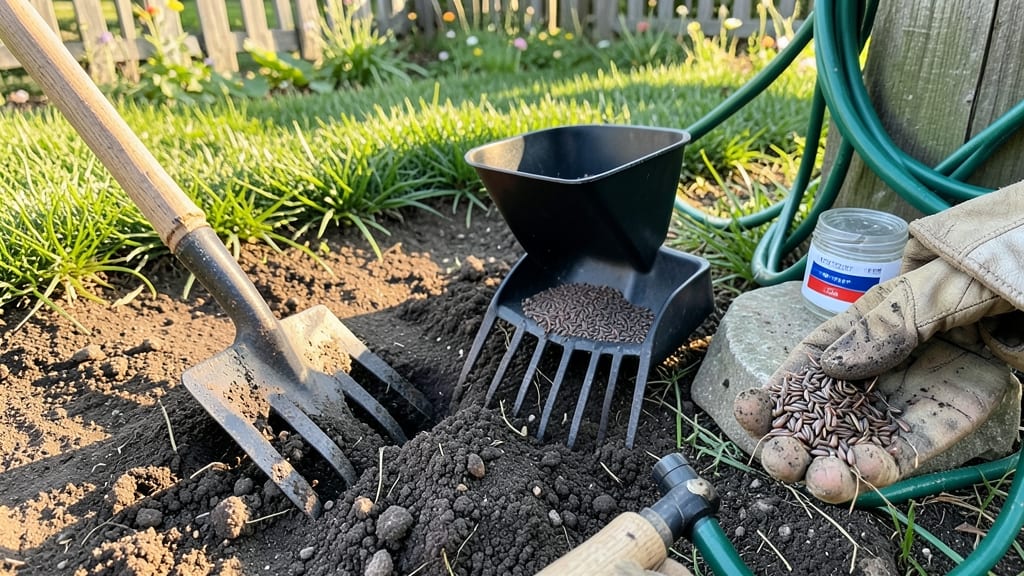
If you’ve ever planted grass seed in Oklahoma only to watch it struggle or fail, you’re not alone—and the culprit might be timing.
The best time to plant grass seed in Oklahoma isn’t just about picking a random month; it’s about matching soil temperatures, rainfall patterns, and your grass type to Oklahoma’s 6a-8a climate zones for a lush, resilient lawn.
Let’s face it: Oklahoma’s weather can be unpredictable, with scorching summers and sudden cold snaps. That’s why early spring (March-April) or late summer/early fall (August-September) are the sweet spots for planting.
These windows give your 🌱 grass seed the ideal conditions to germinate—warm enough soil but cool enough air to avoid stress.
In this guide, I’ll break down the exact soil temperature thresholds, rainfall strategies, and grass varieties that thrive in Oklahoma’s climate. Whether you’re dealing with drought-prone areas or humid zones, you’ll learn how to prepare your soil and care for your new lawn like a pro.
Ready to skip the guesswork and plant with confidence? Let’s dive into the game-changing details that’ll help your grass take root strong and stay green all season long.
Oklahoma’s ideal grass planting window: soil temperature & climate zones
Oklahoma’s climate—spanning USDA zones 6a-8a—creates two prime windows for planting grass seed: early spring and late summer. The key? Soil temperatures between 50°F and 65°F and consistent moisture.
Northern Oklahoma (6a) and southern Oklahoma (8a) have slightly different timing, but both regions benefit from avoiding extreme heat or cold.
For cool-season grasses like tall fescue or Kentucky bluegrass, aim for March-April when soil warms to 50°F+. Warm-season grasses like Bermuda or zoysia thrive when planted in late August-September, as temperatures cool toward 65°F. Planting outside these windows risks poor germination or drought stress.
To check soil temps, use a soil thermometer or rely on local weather tools like the Oklahoma Mesonet. Their soil temperature maps show real-time data for your county—critical for timing your project.
For example, Oklahoma City (7a) typically hits 55°F soil temps by mid-March, while Tulsa (7b) may wait until late March.
Here’s how Oklahoma’s climate zones break down for planting:
| Zone | Ideal Planting Window | Soil Temp Threshold | Key Consideration |
|---|---|---|---|
| 6a (Northern OK) | Late March–Early April | 50–55°F | Frost risk until mid-April |
| 7a (Central OK) | Early March–Mid-April | 55–60°F | Variable spring rains |
| 7b (Southeast OK) | Late February–Early April | 50–60°F | Higher humidity |
| 8a (Southwest OK) | Mid-March–Late April | 60–65°F | Drought-prone |
🌱 Pro Tip: Use a soil thermometer to confirm temps before planting—don’t guess!
Timing isn’t just about the calendar—it’s about soil conditions. For example, planting Bermuda grass in June might seem logical, but 90°F+ soil temps can stress seeds. Instead, wait for late summer’s cooler soil (August-September) to give seeds the best start.
If you’re planting cool-season grasses in fall, aim for 4–6 weeks before the first frost. In Oklahoma, that’s typically late September–early October. This gives seeds time to germinate and establish roots before winter dormancy.
For warm-season grasses, plant 6–8 weeks before the first frost—usually mid-August—to ensure strong root growth before cooler temps arrive.
One common mistake? Planting too early in spring when soil is still cold or too late in fall when frost is imminent. Both scenarios lead to poor germination or wasted seed. Use Oklahoma State University’s frost date maps to plan your timeline accurately.
For drought-prone areas like western Oklahoma, prioritize deep watering and mulching to retain moisture. In humid southeastern Oklahoma, avoid planting during peak rainfall months (May-June) to prevent fungal issues like dollar spot. Always adjust your timing based on local weather forecasts.
Finally, remember that soil preparation is just as critical as timing. Test your soil’s pH (6.0–7.5 ideal) and nutrient levels 2–3 weeks before planting. Amend with compost or lime if needed, and till the top 2–3 inches of soil to create a seed-friendly bed.
This step ensures your grass seed has the best chance to thrive once planted at the right time.
Rainfall timing & preparation: how to maximize germination in Oklahoma’s unpredictable weather
Oklahoma’s weather can swing from bone-dry springs to sudden summer downpours, making timing your watering critical for grass seed success. The first 2-3 weeks after planting are the most delicate—your seeds need consistent moisture without drowning.
I’ve learned that drip irrigation or soaker hoses work best here because they deliver water slowly and evenly, preventing runoff that can wash seeds away.
Before planting, test your soil’s moisture level by grabbing a handful—it should feel like a damp sponge, not dry sand or mud. If it’s too dry, water the area 24 hours before seeding to give roots a head start.
In northern Oklahoma (6a zones), I aim for 1-1.5 inches of water weekly during germination, while southern regions (7b-8a) may need slightly less due to higher humidity.
Here’s where Oklahoma’s unpredictability hits hard: spring droughts can dry out seeds before they sprout, while summer storms might erode newly planted areas. My trick? Use a lightweight straw mulch (like pine straw) to shield seeds from heavy rain and retain moisture.
It also blocks sunlight slightly, preventing seeds from drying out too quickly.
⚠️ Avoid These Oklahoma-Specific Mistakes
Overwatering in clay-heavy soils (common in central OK) causes seed rot. Test drainage by pouring water—if it pools after 6 hours, amend with compost.
Watering at night invites fungal diseases like dollar spot, which thrives in Oklahoma’s humid summers. Stick to morning watering (6-9 AM) for best results.
Skipping the pre-planting soil test can lead to poor germination. Oklahoma’s alkaline soils (pH 7.5-8.5) often need sulfur or peat moss to reach the ideal 6.0-7.0 pH for grass.
For late-summer/early-fall plantings (August-September), I adjust my approach to account for hot afternoons. Watering early morning and late evening (6 AM and 6 PM) helps seeds stay cool while reducing evaporation.
A lightweight shade cloth (30% coverage) over new seedings can also work wonders during Oklahoma’s 90°F+ heat waves.
Don’t forget to monitor local forecasts—tools like the Oklahoma Mesonet provide real-time soil moisture data. If a 3-day forecast predicts heavy rain, delay planting until conditions stabilize. The goal is to give seeds steady, gentle moisture, not a flood or drought.
Once your grass reaches 2-3 inches tall, you can taper back to 2-3 waterings per week, letting roots grow deeper. In northern Oklahoma, I switch to deep, infrequent watering by October to prepare for winter dormancy.
Southern lawns can stay on a moderate schedule until November’s first frost.