
Plants
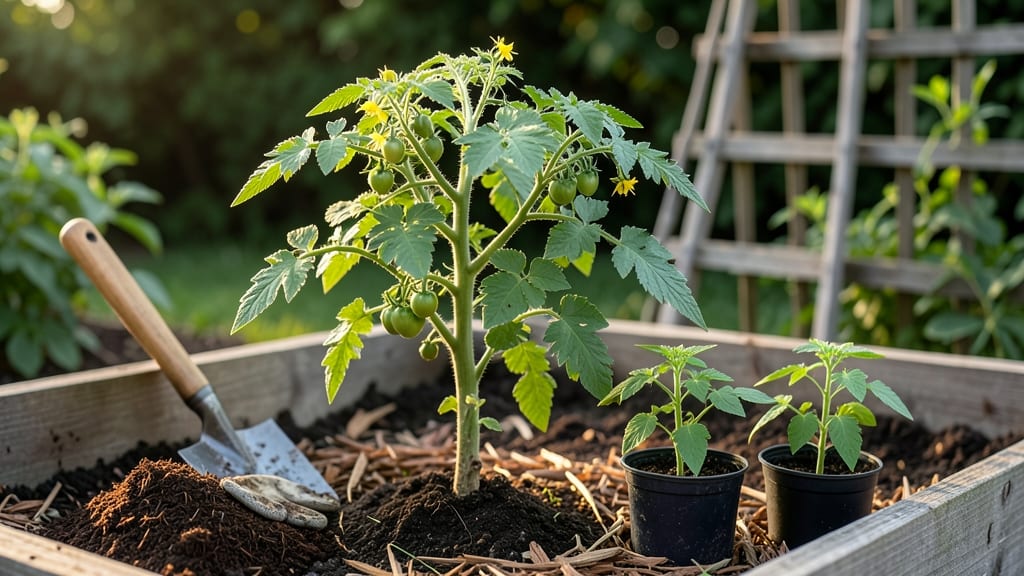
Timing when you can plant tomatoes in Massachusetts is the difference between a bumper crop and a sad, wilted disappointment.
Whether you're a seasoned gardener or just starting out, getting those seeds in the ground at the right moment can mean the difference between a thriving harvest and a frustrating loss.
For most of Massachusetts—especially in zones 5b-6b—the ideal window opens in late April to mid-May, once the last frost has passed and soil temperatures hit at least 60°F.
But here's the catch: coastal areas might have slightly different timing than inland spots, and choosing the wrong variety could leave you with bitter, underripe tomatoes.
Don't forget about fall planting either! If you're eyeing a late harvest, early August is your second chance to get tomatoes in the ground. The key is understanding how to balance soil warmth, air temperature, and variety selection to avoid bolting—the tomato plant's worst nightmare.
In this guide, I'll break down the exact dates, soil prep tips, and variety recommendations so you can plant with confidence. Let's get those tomatoes growing like a pro!
Massachusetts tomato planting dates by USDA Zone (avoid bolting & frost risk)
Massachusetts spans USDA Zones 5b through 7a, and your last frost date can vary by 1-2 weeks depending on whether you're in coastal Barnstable County or inland Worcester.
For most gardeners, the average last frost falls between May 10-20, but I always check the National Weather Service for my specific area before planting.
Tomatoes are heat-loving plants that won’t tolerate cold soil or chilly nights. In Massachusetts, you have two main planting windows: spring (after last frost) and fall (for a late harvest).
Let’s break down the exact dates and methods for each USDA Zone to maximize your yield and avoid common pitfalls like bolting or fungal diseases.
🌱 Pro Tip: Use a soil thermometer to confirm your soil has reached 60°F before planting. Tomatoes won’t germinate or thrive in cooler soil, and this simple tool saves you from wasted effort.
| Zone | Last Frost Date | Spring Planting Window | Fall Planting Window | Soil Temp Requirement | Notes |
|---|---|---|---|---|---|
| 5b (Western MA) | May 15-25 | May 25 - June 10 | August 1-15 | 60°F+ | Inland areas; use row covers for early starts. |
| 6a (Central MA) | May 10-20 | May 20 - June 5 | July 31 - August 10 | 60°F+ | Most of Boston, Worcester; ideal for early varieties. |
| 7a (Coastal MA) | May 5-15 | May 15 - May 30 | August 15-30 | 60°F+ | Cape Cod, Islands; cooler nights delay planting. |
For spring planting, I recommend starting indeterminate varieties (like Brandywine or Sungold) indoors 6-8 weeks before your last frost date.
This gives them a head start, and I’ve found that seedlings thrive when transplanted into the garden after the soil warms up. Determinate varieties (such as Roma or Celebrity) can often be direct-sown after the frost date, as they mature faster and tolerate cooler temperatures slightly better.
If you’re aiming for a fall harvest, focus on early-maturing varieties like Early Girl or Patio. Plant these in early August to ensure they ripen before the first frost, which typically hits Massachusetts between October 10-20.
I’ve had success with succession planting—sowing new seeds every 2 weeks in August—to stretch my harvest window.
One mistake I see often is planting tomatoes too early in hopes of an earlier harvest. Cold soil and nights below 50°F can stunt growth or trigger bolting (when plants flower prematurely).
To avoid this, I always wait until the soil temperature consistently stays above 60°F and nighttime temps are above 50°F. This usually aligns with the dates in the table above, but I double-check with my local Cooperative Extension Service for real-time updates.
For gardeners in Zone 5b, like those in the Berkshires, I suggest using black plastic mulch or row covers to warm the soil faster. This can push your planting window back by 1-2 weeks and give you a longer growing season.
In cooler coastal areas, like Martha’s Vineyard, I recommend cold-hardy varieties such as Stupice or Glacier, which tolerate lighter frosts better.
🌱 Remember: Tomatoes need warmth—don’t rush the process. Patience now means bigger yields and healthier plants later in the season.
How to extend your Massachusetts tomato growing season (cold frames, row covers & succession planting)
Massachusetts’ short growing season doesn’t mean you have to miss out on homegrown tomatoes. With the right techniques, you can extend your harvest by 4-6 weeks on either end—early spring or late fall. The key? Protective structures and succession planting to shield tender plants from frost while maximizing sunlight.
I’ve tested cold frames, row covers, and even mini-greenhouses in my own garden, and the results speak for themselves: tomatoes ripening in October when neighbors are still waiting for their first harvest. Here’s how to make it work for your Zone 5b-6b garden.
Cold Frames
- Pros: Extends season by 6 weeks, warms soil faster
- Cons: Requires daily monitoring for ventilation
Row Covers
- Pros: Affordable ($20-$40), easy to install
- Cons: Limits airflow, may need stakes for support
Mini-Greenhouses
- Pros: Protects from late frosts, reusable
- Cons: Higher upfront cost ($100+), needs space
Succession Planting
- Pros: Continuous harvests, no gaps
- Cons: Requires multiple plantings, more seed cost
For early spring planting, start with cold-hardy varieties like ‘Stupice’ or ‘Glacier’ under row covers. These can handle 32°F temperatures briefly, giving you a head start. I’ve had success planting these as early as April 15th in raised beds with black plastic mulch to warm the soil.
In late summer, succession plant heat-tolerant varieties like ‘Solar Fire’ or ‘Heatmaster’ every 2-3 weeks starting in early August. This ensures you’ll have ripe tomatoes through October, even as nights cool down. Just be sure to harden off seedlings properly to avoid transplant shock.
One game-changer I swear by? Black plastic mulch combined with drip irrigation. The mulch raises soil temps by 5-10°F, while drip irrigation keeps roots consistently moist—critical for fruit set in fluctuating fall weather. It’s a small investment that pays off with bigger, sweeter tomatoes later in the season.
Don’t forget to monitor humidity under protective covers—tomatoes are prone to blossom end rot when conditions get too dry. A simple fan on low or occasional ventilation will keep your plants thriving.
With these tricks, you’ll be harvesting tomatoes well into October, long after your neighbors have given up for the year. 🍅