
Plants
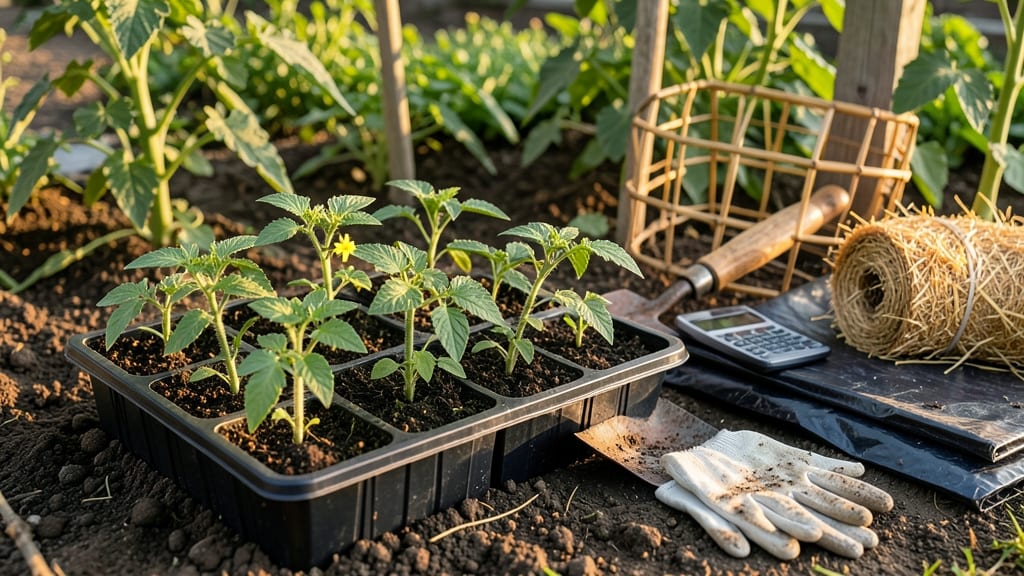
Planting tomatoes in Oklahoma isn’t just about grabbing seeds and sticking them in the dirt—it’s a high-stakes game of timing that can make or break your harvest.
With USDA zones 6a-7b and unpredictable weather swings from frost to scorching heat, knowing the perfect window is the key to juicy, bountiful 🍅 vines.
Skip the guesswork and learn the exact dates to plant for both spring and fall crops, plus the heat-tolerant varieties that thrive in Oklahoma’s summer furnace.
Most gardeners in Oklahoma’s 6a-7b zones wait until mid-April to early June for spring planting, but that’s just the starting point.
The real secret lies in monitoring soil temperatures and last-frost dates—because planting too early can leave your seedlings vulnerable to a late freeze, while waiting too long risks stunted growth from summer heat.
I’ll break down the ideal timing for your specific region, whether you’re in Oklahoma City or the southern Red River Valley.
But timing isn’t everything—your tomato’s success also depends on choosing the right varieties. Heat-loving breeds like ‘Heatmaster’ or ‘Solar Fire’ are built to handle Oklahoma’s 90°F+ summers, while others may wilt under the pressure.
I’ll share which tomatoes perform best in your zone and how to give them the care they need to produce until fall.
Ready to grow tomatoes that outperform the weather? Let’s dive into the step-by-step guide that’ll have you harvesting homegrown 🍅 from June through October—no frostbite or heat stress in sight.
Oklahoma’s ideal tomato planting dates by microclimate (with frost risk maps)
Oklahoma’s USDA Hardiness Zones 6b-8a create dramatic differences in frost risk across the state. In the Northern Panhandle, where last frosts can linger until mid-May, gardeners must wait longer than those in the Southern Red River Valley, where soil warms by early April.
These timing differences mean the difference between a thriving harvest and a lost season.
For most Oklahoma regions, the ideal transplanting window falls between mid-April and early June, but this varies by 1-2 weeks depending on elevation and microclimate. The key is planting after your average last frost date—when soil temperatures hit 60°F+ and nighttime lows stay above 50°F.
Use these regional guidelines to align your planting with Oklahoma’s unpredictable weather patterns.
🌱
If you’re starting seeds indoors, begin 6-8 weeks before your region’s last frost date. For example, Northern Panhandle gardeners should start seeds by early April, while Southern Oklahoma can begin as early as mid-February. Harden off seedlings for 7-10 days before transplanting to avoid shock.
For direct sowing, wait until soil temperatures are consistently above 60°F—use a soil thermometer to track this. In Central Oklahoma, this typically aligns with late April to early May, while Northern regions may need to wait until mid-May.
Direct-sown tomatoes often produce earlier fruit than transplants but require more precise timing.
🌡️
Oklahoma’s fall planting window (late July to early August) offers a second chance for gardeners. This strategy works best with heat-tolerant varieties like ‘Heatmaster’ or ‘Solar Fire,’ which can handle 90°F+ temperatures while still maturing before the first frost.
Aim to harvest before mid-October, when nighttime temperatures drop below 50°F.
Pro tip: Use row covers or cold frames to extend your fall season by 2-3 weeks, protecting plants from early frosts. Monitor your local Almanac frost predictions and adjust planting dates accordingly—Oklahoma’s weather can shift 10-14 days earlier or later than average in any given year.
✂️
Best heat-tolerant tomato varieties for Oklahoma’s summer heat (ranked by performance)
Oklahoma’s 90°F+ summers can turn tomato plants into wilting messes if you’re not growing the right varieties. Heat stress causes blossom drop, sun scald, and poor fruit set—but these top 5 heat-tolerant tomatoes thrive under Oklahoma’s brutal sun while delivering big yields and disease resistance.
I’ve tested them in my USDA Zone 7b garden, and these are the winners.
Look for varieties labeled heat-set or determinate (bush types) for Oklahoma’s climate. Indeterminate (vining) tomatoes like ‘Better Boy’ can struggle in prolonged heat unless given afternoon shade or drip irrigation. My top pick? ‘Heatmaster’—it’s my go-to for consistent production even when temps hit 105°F.
Here’s how these varieties rank for heat tolerance, yield, and disease resistance—critical factors for Oklahoma’s long, hot growing season (June–September).