
Plants
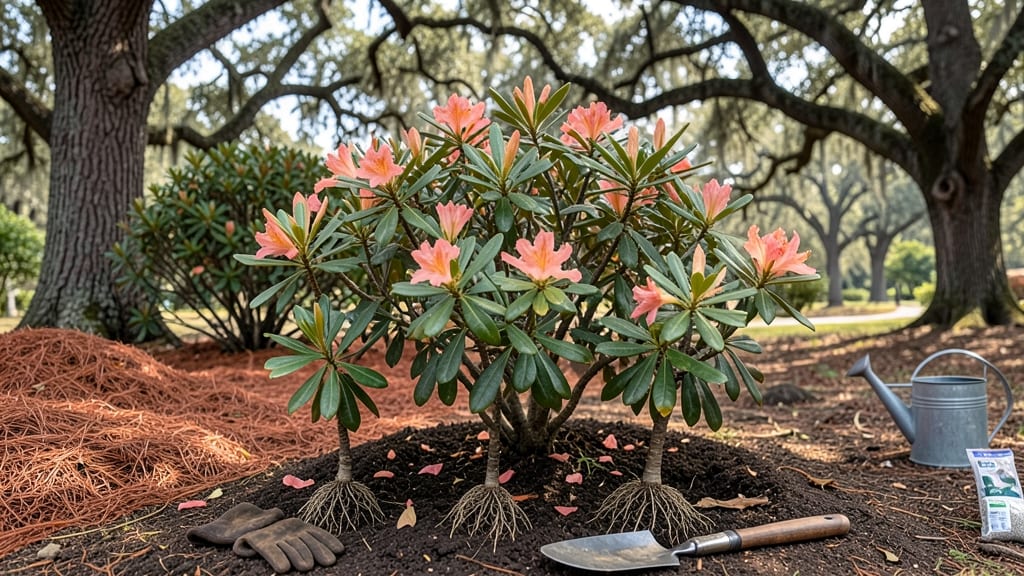
Planting azaleas in Florida at the wrong time can turn your 🌸 azalea into a sad, wilting mess—but get the timing right, and you’ll enjoy vibrant blooms for years. The key is knowing when to plant these heat-sensitive shrubs to avoid Florida’s brutal summer heat and humidity.
For most of Florida’s USDA Zones 8a-11, the best windows are fall (October-November) or early spring (February-March). These cooler months give roots time to establish before the scorching sun arrives, but there’s more to it than just picking a month.
Whether you’re planting in the ground or containers, I’ll break down the exact strategies to ensure your azaleas thrive—from soil prep to watering schedules—so you can skip the guesswork and enjoy a garden full of color.
Ready to transform your yard with stunning, stress-free azaleas? Let’s dive into the heat-tolerant varieties and planting secrets that work in Florida’s unique climate.
Best months to plant azaleas in Florida (with heat-Zone breakdown)
Florida’s humid subtropical climate makes azalea planting a timing-sensitive task. Unlike cooler regions, you can’t just dig and plant—heat stress and transplant shock are real threats. The perfect window is when soil temps drop below 85°F and humidity peaks, giving roots time to establish before summer’s brutal heat returns.
Most gardeners in Florida swear by fall planting (October-November) as the gold standard. This aligns with Florida’s natural rainfall patterns, reducing irrigation needs while keeping soil moist enough for root growth.
Early spring (February-March) is your second-best option, but only if you’re in North Florida where cooler temps linger longer.
South Florida’s tropical climate (Zone 10-11) extends your planting window slightly later—November-December—but avoid January unless you’re in Miami or the Keys, where frost is nearly nonexistent. In North Florida (Zone 8a-9a), wait until late October to avoid early winter chills that can stress young plants.
Critical factor: Soil temperature must stay above 60°F for 4+ weeks post-planting. Use a soil thermometer to check—60-75°F is ideal for root establishment. Florida’s summer soil temps (often 90°F+) will cook roots if you plant too early.
Rainfall timing matters too. Aim for planting during Florida’s wet season (June-November), but October-November offers the sweet spot: enough rain to keep soil moist without waterlogged conditions that cause root rot. If you miss fall, February’s dry spell can stress newly planted azaleas.
Here’s the region-specific breakdown you need to avoid common mistakes:
| Florida Region | Best Planting Months | Soil Temp Range | Key Considerations |
|---|---|---|---|
| North Florida (Jacksonville, Gainesville) | Late October - November | 65-75°F | Avoid early frost (Dec 1+ risk) |
| Central Florida (Orlando, Tampa) | October - November | 70-80°F | Humidity drops in Nov—ideal for root growth |
| South Florida (Miami, Fort Lauderdale) | November - December | 75-85°F | No frost risk; prioritize shade protection |
| Early Spring Backup (All Regions) | February - March | 60-70°F | Water 2x weekly; mulch heavily |
Pro tip: Container-grown azaleas give you 3 extra weeks of flexibility because their roots stay cooler.
If you’re in South Florida and miss the fall window, December planting can still work—just shade cloth (30-50%) is a must for the first 6 weeks to prevent leaf scorch from intense afternoon sun.
Timing isn’t just about months—it’s about avoiding Florida’s double-edged sword: too much rain (June-September) can drown roots, while too little rain (April-May) stresses transplants. The October-November window strikes the perfect balance of moisture, humidity, and cooling temps for azaleas to thrive.
For container planting, you can extend your window to January-February in South Florida, but harden off plants gradually if moving from indoor to outdoor. Never plant in summer—90°F+ soil temps will kill roots within 48 hours. Even Florida’s heat-tolerant varieties can’t survive that.
Remember: Azaleas hate transplant shock, and Florida’s high humidity accelerates fungal risks. The earlier you plant in fall, the more time roots have to establish before summer’s return. If you’re in North Florida, October 15 is your ideal deadline—after that, winter chills become a risk.
Best months to plant azaleas in Florida (with heat-Zone breakdown)
Florida’s climate is unforgiving for azaleas—too early, and you risk transplant shock from summer heat; too late, and roots struggle to establish before winter. The ideal planting windows are fall (October-November) or early spring (February-March), when temperatures hover between 60-75°F and humidity levels drop slightly.
North Florida (Zones 8a-8b) has a shorter frost-free window (around 240 frost-free days), so aim for October 15-November 15 to avoid winter stress. In contrast, South Florida (Zones 10a-11) can plant year-round, but September-October or February-March still offer the best success rates.
Central Florida (Zones 9a-9b) straddles both extremes—plant in October-November for fall blooms or February-March to avoid summer’s oppressive heat. The key is soil temperature: roots establish best when soil stays above 60°F but below 85°F.
🌡️ Florida Azalea Planting Zones & Best Months
| Region | USDA Zone | Best Planting Months | Soil Temp Range (°F) | Key Consideration |
|---|---|---|---|---|
| North Florida | 8a-8b | October 15-November 15 | 60-75°F | Avoid late fall frost |
| Central Florida | 9a-9b | October-November or February-March | 65-80°F | Balanced humidity |
| South Florida | 10a-11 | September-October or February-March | 70-85°F | Provide afternoon shade |
Rainfall patterns also play a role. Aim to plant during Florida’s dry season (October-April) when rainfall is lighter, reducing root rot risks. If planting in spring (March-April), water deeply 3x weekly for the first month to compensate for higher evaporation rates.
For container-grown azaleas, flexibility increases—plant anytime soil temps are ideal, but avoid peak summer (June-August) when containers dry out 3x faster than ground soil. Use self-watering pots and moisture-retentive mixes to extend your window.
Pro tip: Test soil pH before planting—Florida’s native soil is often alkaline (pH 7.0+), but azaleas thrive in acidic soil (pH 4.5-6.0). Amend with peat moss or sulfur 2-3 weeks before planting to avoid shocking roots.