
Plants
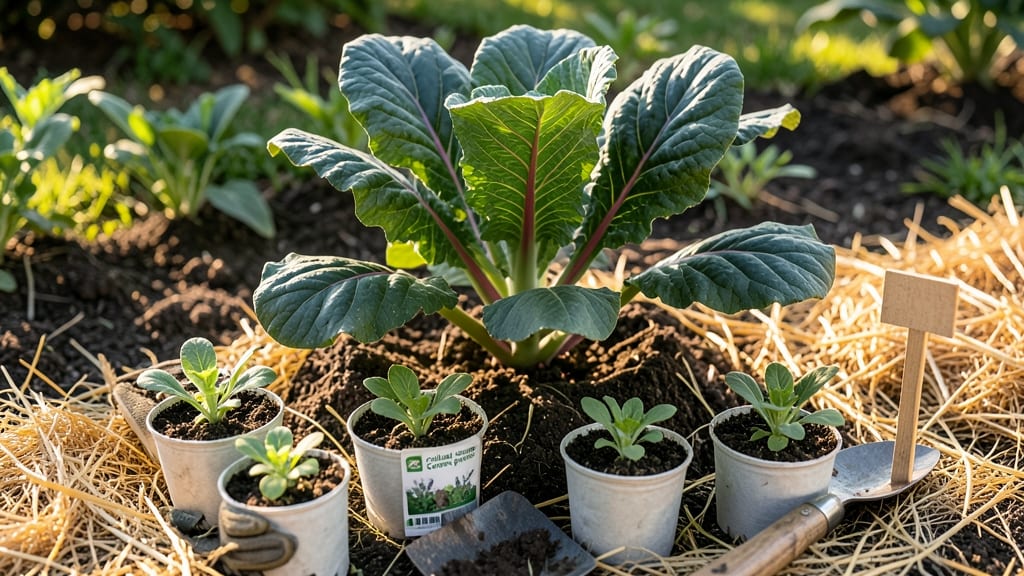
Planting collards in North Carolina at the wrong time can turn your garden into a bitter disappointment instead of a harvest goldmine.
Whether you're a first-time gardener or a seasoned green thumb, getting the timing right between March-April for spring and August-September for fall is the key to sweet, tender leaves.
With North Carolina's 7a-8b climate, you've got a longer growing window than most—but that doesn't mean you can plant whenever you feel like it. Heat-tolerant varieties like 'Blue Max' need precise timing to avoid bolting or becoming too tough.
I'll show you exactly when to put those seeds in the ground for maximum flavor and yield.
Let's break down the perfect planting schedule so you can enjoy fresh 🥬 collards from spring through fall without any guesswork. You'll learn how to work with your local frost dates, soil prep secrets, and even how to extend your harvest season.
Ready to grow collards that taste as good as they look? The right timing starts with understanding your zone's unique conditions—and I've got all the details to help you succeed.
North Carolina collard planting deadlines by USDA hardiness zones (6b-8a)
North Carolina's diverse USDA hardiness zones (6b-8a) create unique planting windows for collards. In Zone 6b, where winters are colder, your last frost date arrives around March 15, giving you a 6-week head start for spring planting.
Meanwhile, Zone 8a gardeners can push spring planting until April 15 thanks to milder winters.
For fall harvests, the goal is to plant 6-8 weeks before your first frost (typically November 15). In Zone 7b, that means August 15-September 1, while Zone 8a growers can extend planting until September 15 to take advantage of longer frost-free days.
Missed the spring window? No problem! Heat-tolerant varieties like 'Blue Max' can handle summer heat if planted in late July—just expect slightly bolting-resistant growth. The key is matching your planting timeline to your zone's frost dates while avoiding extreme heat stress.
In Zone 6b, where winters are harshest, focus on early spring planting (March 1-15) to beat frost. These plants will mature by May-June, giving you a full harvest before summer heat sets in.
For fall crops, aim for August 1-15 to ensure maturity before frost hits in early November.
Southern Zone 8a gardeners have the most flexibility. You can plant spring collards as late as April 15 and still enjoy harvests by June-July. For fall, September 1-15 planting lets you harvest through November-December, often avoiding frost entirely in warmer microclimates.
Remember: Succession planting every 2-3 weeks in spring and fall ensures a continuous harvest. In Zone 7b, for example, plant a new batch on March 15, April 1, and April 15 for staggered maturity. This method works equally well for fall plantings in August and September.
For heat-loving varieties like 'Georgia Southern', you can experiment with late-summer planting (July 15-August 1) in Zone 8a. These plants may not thrive as well but can produce tender greens before fall temperatures drop. Always monitor soil moisture during summer heat to prevent stress.
Use your local extension office for precise frost dates—some mountain valleys in Zone 6b may frost 2 weeks earlier than coastal areas. Adjust your planting dates accordingly to avoid frost damage or bolting from heat stress.
Once you've nailed your planting timeline, focus on soil prep and sun exposure. Collards need 6-8 hours of sunlight daily and well-draining soil with a pH of 6.0-6.8. In Zone 8a, afternoon shade can help prevent leaf scorch during peak summer heat.
North Carolina collard planting deadlines by USDA hardiness zones (6b-8a)
North Carolina’s USDA Zones 6b-8a create two perfect windows for planting collards: spring (March-April) and fall (August-September). Missing these windows risks bitter leaves or plants that bolt too quickly in the heat.
For example, in Zone 7b, your last frost is typically March 15, so aim to plant by February 28 for a spring harvest.
In Zone 8a, where winters are milder, you can push spring planting slightly later—up to April 15—but fall planting becomes even more critical. The key is avoiding summer heat stress, which turns collards tough and fibrous.
I’ve grown collards in both zones and found that succession planting in late summer (August) gives the best fall harvests before frost hits in mid-November.
Here’s the breakdown of your planting deadlines by zone, including heat-tolerant varieties that perform best in NC’s climate:
| Zone | Spring Planting Window | Fall Planting Window | Heat-Tolerant Variety | Harvest Time |
|---|---|---|---|---|
| 6b | Feb 15 - Mar 15 | Aug 1 - Aug 15 | 'Georgia Southern' | May - June (spring), Oct - Nov (fall) |
| 7a | Mar 1 - Apr 1 | Aug 15 - Sep 1 | 'Blue Max' | May - June (spring), Oct - Nov (fall) |
| 7b | Mar 15 - Apr 15 | Aug 20 - Sep 10 | 'Champion' | May - June (spring), Oct - Nov (fall) |
| 8a | Apr 1 - Apr 30 | Aug 30 - Sep 20 | 'Vates' | June - July (spring), Nov (fall) |
For Zone 7b and 8a, late summer planting (August) is your best bet for fall harvests. The goal is to give plants 60-80 days of growth before the first frost.
In Zone 6b, where winters are colder, focus on early spring planting and use row covers to extend fall harvests if needed.
Pro tip: If you’re in Zone 8a, you can even try a small fall planting in October for a mild-winter harvest. Just choose heat-tolerant varieties like 'Top Bunch' and monitor for frost. I’ve had success with this method in Raleigh, where winters are surprisingly mild.
Remember, collards thrive in cool weather (50-75°F), so avoid planting when temperatures consistently exceed 80°F. Use shade cloth if summer heat arrives early to protect young seedlings.