
Plants
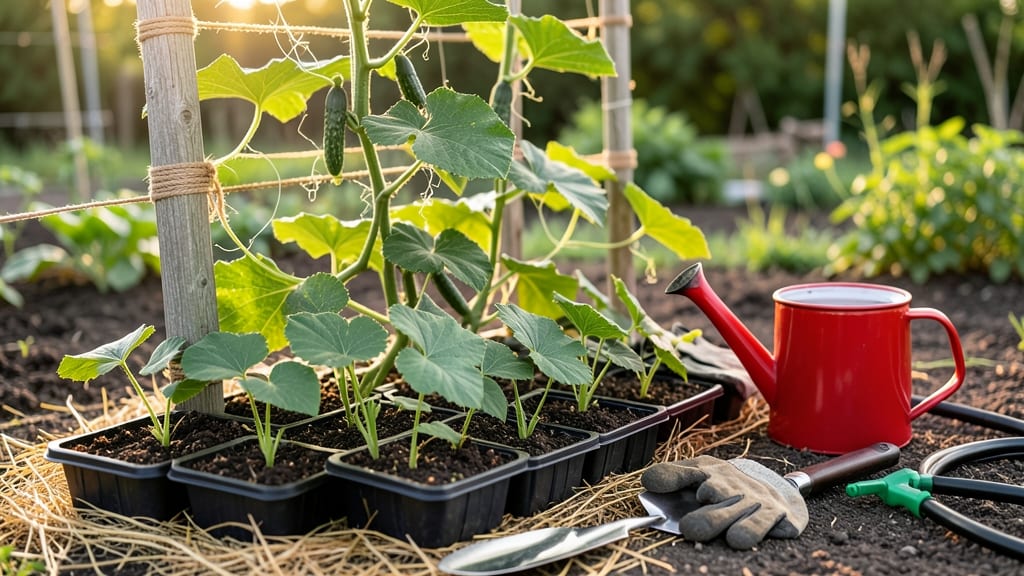
When to plant cucumbers in North Carolina can make the difference between a bountiful harvest and wasted effort. With USDA zones 6a-8b offering diverse growing conditions, timing your planting window is critical to avoid frost damage or missed harvests.
The key is waiting until after the last frost date—typically mid-April—but also ensuring soil temperatures hit 60°F or higher. In coastal areas, you might start as early as late March, while inland zones like the Piedmont should wait until early May for optimal results.
For a fall harvest, late July is your best bet, giving cucumbers enough time to mature before cooler weather sets in. Whether you're direct-sowing seeds or transplanting seedlings, knowing these regional cues will help you maximize your 🥒 yield.
Let’s break down the exact planting windows, soil prep tips, and zone-specific adjustments to ensure your cucumbers thrive all season long.
North Carolina cucumber planting calendar by USDA zone (soil temp & frost dates)
North Carolina spans USDA zones 5b to 8b, meaning your last frost date can vary dramatically. In zone 5b (mountains), average last frost arrives April 15-30, while zone 8b (coastal) sees frost-free conditions by March 1-15.
Cucumbers need soil temperatures above 60°F and warm nights—so timing is critical to avoid stunted growth or frost damage.
For direct sowing (planting seeds outdoors), wait until soil reaches 65-70°F—typically mid-April in zone 7a and late April in zone 6a. If you start indoor seedlings (4-6 weeks before transplanting), move them out 2 weeks after last frost when nights stay above 55°F.
Coastal areas can plant 2-4 weeks earlier than inland zones.
Here’s your zone-by-zone planting timeline, including soil temp checks and frost-free deadlines to maximize your harvest:
For fall harvests, plant late July to early August in zones 6a-7a, aiming for 60-70 days to maturity before first frost. In zone 8b, you can extend this to early September for a second crop.
Use heat-tolerant varieties like 'Straight Eight' or 'Marketmore' for summer plantings, while cool-season types like 'National Pickling' work better in spring/fall.
Pro tip: Use a soil thermometer to confirm temps—cucumbers won’t germinate below 60°F, even if frost risk is low. If your soil is too cool, try black plastic mulch to warm it 5–10°F faster than bare soil.
This is especially useful in zone 5b-6a where spring nights can still dip.
In zone 7b and warmer, you can even try winter cucumbers under row covers or in greenhouses, planting September–October for harvests in late fall. Just choose shorter-day varieties like 'Suyo Long' to avoid bolting (flowering prematurely) from long daylight hours.
Remember: Cucumbers are heat-lovers, so avoid planting when daytime temps exceed 90°F for extended periods. In zone 8b, this means avoid June plantings—opt for spring or fall instead to prevent bitter fruit and poor yields.
North Carolina cucumber planting calendar by USDA zone (soil temp & frost dates)
North Carolina spans USDA zones 6b-8a, creating distinct planting windows for cucumbers. In zone 6b (mountains), wait until mid-May when soil hits 65°F—frost risk lingers longer here. Meanwhile, zone 8a (coastal) can start as early as late March, but soil must reach 60°F for germination.
For all zones, last frost dates are your guide: April 15 in the Piedmont and March 15 along the coast. Use a soil thermometer—cucumbers won’t sprout below 60°F. Pro tip: Black plastic mulch warms soil faster in cooler zones (like 6b-7a) by 10°F.
| Zone | Last Frost Date | Planting Window | Soil Temp | Notes |
|---|---|---|---|---|
| 6b (Mountains) | April 20-25 | May 10-20 | 65-70°F | Use row covers; slow growth below 65°F |
| 7a (Piedmont) | April 10-15 | April 25-May 10 | 60-65°F | Black plastic mulch speeds germination |
| 7b (Coastal) | March 15-20 | March 30-April 15 | 60°F+ | Humidity increases disease risk; space plants wider |
| 8a (Southeast) | February 15-20 | March 10-April 5 | 58-60°F | Longer season; plant heat-tolerant varieties |
For a fall harvest, plant late July in zones 6b-7a or August 1 in zone 8a. Aim to harvest before first frost (mid-October in mountains, November in coastal areas). Bush varieties like 'Bush Champion' mature faster—ideal for short-season zones.
Direct-sow seeds ½-inch deep after frost danger passes. In zones 6b-7a, start seedlings indoors 3 weeks before transplanting. Coastal gardeners can sow every 2 weeks for continuous harvests through summer.
Remember: Soil temperature matters more than air temperature. Use a soil thermometer for accuracy—cucumbers won’t thrive below 60°F, even if air is warm. Adjust your planting date if spring stays cool.
Pro tip: Trellis vining varieties like 'Straight Eight' in zone 8a to save space and improve air circulation, reducing disease risk in humid summers. 🌱