
Plants
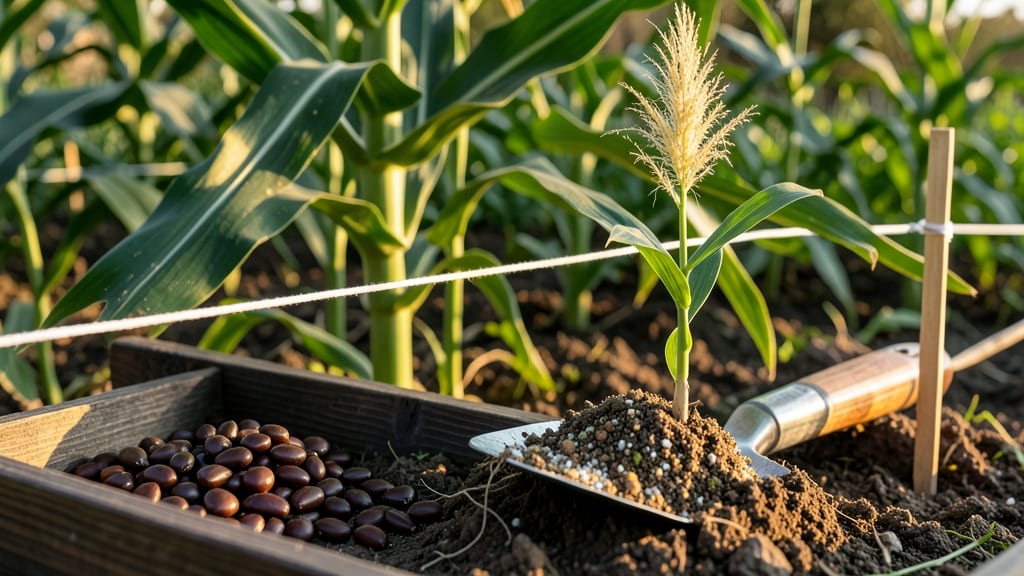
Planting corn in South Carolina at the wrong time can turn your 🌽 dreams into disappointment—stunted stalks, pest invasions, or even total crop failure.
The key isn’t just avoiding frost; it’s mastering the 7b-8a zone’s quirks, from humid springs to scorching summers, where a single week can mean the difference between harvest and heartbreak.
Most gardeners in South Carolina rush to plant too early, only to watch their seeds rot in cold soil or bolt in sudden heat. But timing isn’t just about dates—it’s about soil temperatures (wait for 60°F+), moisture levels, and even your corn’s variety.
Sweet corn, field corn, and popcorn each have their own windows, and ignoring those details means wasted effort.
I’ve grown corn here for years, and what I’m about to share will help you avoid the 5 biggest mistakes—like planting before the last frost (usually March 15) or missing the mid-April to early June sweet spot.
Whether you’re a first-timer or a seasoned gardener, these insights will give your crop the best possible start.
Ready to turn your garden into a cornfield goldmine? Let’s break down the exact weeks, soil prep secrets, and weather hacks that work in South Carolina’s unpredictable climate—so you can harvest ears from late July to October without the guesswork.
South Carolina corn planting schedule by variety type (sweet, field, and popcorn)
South Carolina’s humid summers and variable springs make corn planting a precision task. Unlike northern states, SC’s USDA zones 7b–8a allow for extended growing seasons, but timing is everything. Plant too early, and frost will nip tender seedlings; too late, and earworms or drought can ruin your harvest.
Let’s break down the exact planting windows for sweet corn, field corn, and popcorn—plus regional adjustments for Upstate vs. Coastal areas.
For sweet corn, the most popular variety in SC, aim to plant 2–3 weeks after your last frost date. Since SC’s average last frost falls around March 15, this translates to mid-April to early May for most regions.
However, Coastal SC (zones 8a) can start as early as late March, while the Upstate (zone 7b) should wait until early May to avoid frost risk.
Field corn, used for grain production, follows a similar schedule but can tolerate slightly cooler soils. Plant field corn 1–2 weeks earlier than sweet corn—around early April in Coastal areas and late April in the Upstate. This gives it time to mature before the first frost in November.
Popcorn, a specialty crop, aligns with sweet corn’s schedule but thrives best with longer daylight, so prioritize late May plantings for a fall harvest.
Soil temperature is your true planting cue. Corn won’t germinate well below 50°F, but ideal conditions start at 60°F+. Use a soil thermometer to confirm—this is especially critical in the Upstate, where nights can still dip into the 40s°F in April. In Coastal SC, soil warms faster, so you can plant 1–2 weeks earlier than inland areas.
Here’s a quick reference for your planting timeline, tailored to SC’s microclimates:
Pro tip: For Coastal SC gardeners, consider a second planting in early June to extend your harvest into October. This works best for late-maturing varieties like 'Silver Queen' or 'Peaches and Cream'.
In the Upstate, focus on early-season varieties like 'Ambrosia' or 'Bodacious' to avoid earworm infestations that peak in July and August.
Regional microclimates play a huge role. Coastal SC benefits from the Gulf Stream’s moderating effect, allowing earlier plantings, while the Upstate’s higher elevation can delay soil warming by 1–2 weeks.
If you’re in Zone 7b, err on the side of later plantings—better to wait for consistent 60°F+ soils than risk frost damage.
Don’t forget: Corn is a heavy feeder, so amend your soil with compost or aged manure 4–6 weeks before planting. In sandy Coastal soils, mix in peat moss to retain moisture, while clay-heavy Upstate soils benefit from gypsum to improve drainage. Test your soil’s pH (6.0–7.0 ideal)—
5 Critical factors that determine your corn planting success in SC
South Carolina’s corn-growing success hinges on 5 key factors beyond just frost dates. First, your soil temperature must reach at least 50°F for germination, but 60°F+ is ideal for faster growth. Use a soil thermometer to confirm—corn seeds won’t sprout reliably in cooler soils, even if frost risk has passed.
Second, moisture consistency is non-negotiable. Corn roots need 1-2 inches of water weekly, but drought stress during tasseling (when pollen forms) can slash yields by 30-50%. My Upstate garden struggled last year when a late-May dry spell hit—switching to drip irrigation saved the crop.
Critical Factor #1
Third, pest pressure varies by region. Coastal areas battle corn earworm more aggressively, while Upstate gardens often see armyworms or fall armyworm outbreaks. My solution? Row covers for early plantings and neem oil sprays during silk emergence. Even organic growers swear by interplanting with marigolds to deter pests naturally.
Fourth, microclimate adjustments matter—Upstate’s cooler nights delay maturity by 1-2 weeks, while Coastal heat can push plants to mature too quickly, reducing ear quality. For example, ‘Silver Queen’ sweet corn thrives in Upstate’s shorter season but may need black plastic mulch to warm soils faster.
Finally, soil pH between 6.0-6.8 ensures nutrient uptake. Test your soil—my Charleston garden’s sandy loam needed lime amendments to hit the sweet spot. Corn is heavy-feeding, so side-dress with compost 6 weeks after sprouting to prevent nutrient burnout.
Master these factors, and you’ll outpace 90% of SC gardeners who plant at the wrong time or ignore soil conditions. Start with a soil test and pest scout before your first seeds hit the dirt—your harvest depends on it! 🌱