
Plants
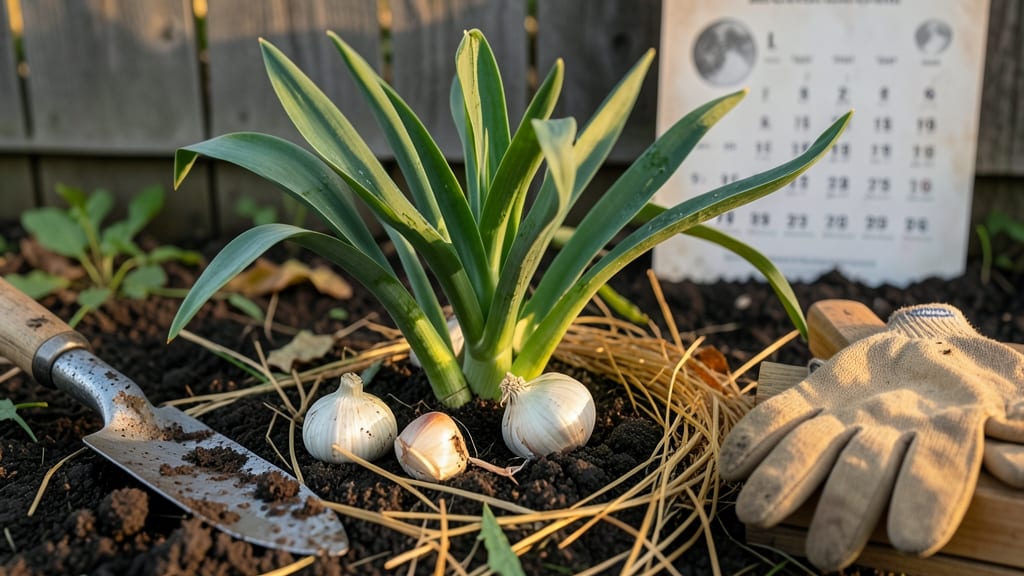
Planting garlic in Georgia at the wrong time can turn your 🧄 harvest from plump bulbs to bitter disappointment—because timing here isn’t just about the calendar, it’s about cheating the climate.
The 6-week window between October and November separates gardeners who get zero-bolt perfection from those who end up with scraggly, flavorless cloves.
Here’s the truth: Georgia’s 7b-8b zones demand precision. Plant too early, and your garlic bolts (sends up flower stalks) before forming bulbs. Too late, and winter’s chill stunts growth.
I’ve tested both hardneck and softneck varieties across North Georgia’s cooler hills and South Georgia’s warmer lowlands—and the difference in harvest quality is night and day.
What you’ll discover is how to align your planting with Georgia’s frost dates, soil prep secrets for clay-heavy soils, and the exact variety-specific deadlines that keep your garlic dormant but ready to explode in spring.
No more guessing games—just data-backed steps to grow the biggest, most flavorful garlic your neighbors will beg for.
Let’s cut to the chase: whether you’re a backyard gardener or a small-scale farmer, these 3 critical adjustments will transform your garlic game. Ready to plant with confidence? The clock’s ticking.
Georgia’s fall garlic planting deadlines by variety (avoid bolting in hot springs)
Georgia’s climate—hot summers and mild winters—makes fall the perfect window for planting garlic. But timing matters: plant too early, and your cloves may bolt (send up flower stalks) before developing full bulbs.
Too late, and winter’s chill won’t trigger proper bulb formation. For zero-bolt success, aim to plant between October 15 and November 15, adjusted for your region’s last frost date.
Northern Georgia (USDA zones 7b-8a) has earlier deadlines than southern zones (8b). In Athens or Blue Ridge, you’ve got until November 10 to plant, while Savannah or Macon gardeners can push it to November 25.
Check your local frost-free date (typically mid-November) and plant 4-6 weeks before the first hard freeze.
Garlic varieties also play a role. Hardneck varieties (like Music or German White) thrive in Georgia’s winters and are best planted by November 1 in cooler zones. Softneck varieties (like Silverskin) tolerate warmer winters and can go in until November 20.
Choose wisely—hardnecks produce flavorful scapes, while softnecks store longer.
Miss the fall window? Spring planting is risky in Georgia’s heat. If you must try, plant February 1-15 in shade cloth, but expect smaller bulbs and higher bolting rates. For best results, stick to fall planting and plan ahead.
Use a garlic planting calendar to track your local deadlines. Start by checking the average last frost date for your county (find it via the University of Georgia Extension or Almanac’s Frost Calculator).
For example, Gainesville’s last frost is November 15, so plant by October 30. In Valdosta, where winters are milder, you can plant until November 25.
Pro tip: Buy certified disease-free seed garlic from local nurseries or online suppliers like Southern Exposure Seed Exchange. Avoid supermarket garlic—it’s often treated to prevent sprouting and won’t grow well. Look for plump, firm cloves with intact papery skins. Break apart bulbs just before planting to avoid drying out.
After planting, mulch heavily with straw or leaves (4-6 inches) to insulate bulbs from temperature swings. This protects roots from freeze-thaw cycles and helps prevent bolting. In South Georgia’s warmer microclimates, a lightweight row cover can also shield garlic from unexpected cold snaps.
Remember: Garlic needs cold to form bulbs. If your winter is too mild (like in Savannahearlier in October to ensure enough chill hours. Monitor your garden and adjust—adaptability is key in Georgia’s variable climate!
🌱
Georgia’s fall garlic planting deadlines by variety (avoid bolting in hot springs)
Georgia’s USDA zones 7b-8b create a unique challenge for garlic growers—plant too early, and your hardneck varieties bolt prematurely in our mild winters. Plant too late, and your bulbs won’t mature before summer heat.
The ideal window spans mid-October to early November, but exact timing depends on your region and variety.
Northern Georgia (Athens, Blue Ridge) can push planting into early December thanks to cooler nights, while Southern Georgia (Savannah, Macon) should finish by mid-November to avoid winter warmth triggering bolting. Softneck varieties like ‘Silverskin’ tolerate slightly later planting than hardnecks like ‘Music’ or ‘German Red’.
🌱
| Variety Type | Best Planting Window | Northern GA Deadline | Southern GA Deadline | Bolting Risk |
|---|---|---|---|---|
| Hardneck (e.g., 'Music', 'German Red') | Mid-October - Early November | Early December | Mid-November | High if planted after Nov 15 |
| Softneck (e.g., 'Silverskin', 'Artichoke') | Late October - Mid-November | Early December | Late November | Moderate if planted after Nov 20 |
| Elephant Garlic (e.g., 'Inchelium Red') | Early November - Mid-November | Early December | Mid-November | Low (tolerates warmth) |
For zero-bolt success, time planting so cloves establish roots before ground temps drop below 50°F. Use a soil thermometer—ideal planting soil should be 60-70°F.
In North Georgia, aim for 6-8 weeks before first frost (typically mid-November), while South Georgia should plant 4-6 weeks before frost.
Pro tip: If you miss the fall window, spring planting is possible but yields 50-70% smaller bulbs.
For spring plantings, use shade cloth to protect from summer heat and water daily to prevent bolting. Hardneck varieties like ‘Chesnok Red’ perform best in spring, while softnecks like ‘California Early’ tolerate it better.
Check your local University of Georgia Extension Service for frost date updates—their climate maps show microclimate variations across the state. For example, Dalton can handle December plantings, while Valdosta should finish by November 15 to avoid bolting.
🌿