
Plants
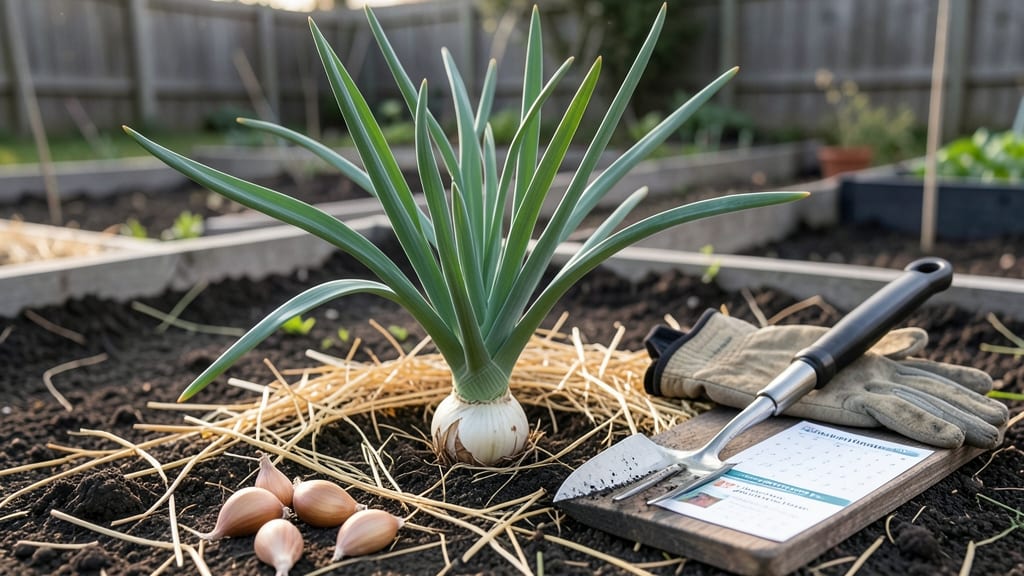
Planting garlic at the wrong time in North Carolina can mean the difference between a bumper crop of 🧄 and wasted effort—timing is everything for hardneck and softneck varieties.
If you've ever wondered why some gardeners swear by fall planting while others insist on winter, the answer lies in your local climate and the unique needs of each garlic type.
For North Carolina's 6a-8a zones, the ideal window opens in October and closes by November—just before the ground freezes. This 4-6 week period before frost gives garlic bulbs the cold stratification they need to develop properly.
But here's the catch: hardneck varieties (like Rocambole) thrive with this classic fall timing, while softneck types (like Silverskin) can sometimes handle later plantings.
What happens if you miss this window? Planting too early risks rot, while waiting too long may leave your garlic underdeveloped by harvest season. The key is understanding how your specific microclimate—whether you're in the Piedmont, Coastal Plain, or Mountains—affects these timing rules.
Let me show you exactly how to adjust for your corner of North Carolina.
You'll also discover the 3 most common mistakes that sabotage garlic planting, from soil prep blunders to variety mismatches.
By the end, you'll have a clear planting schedule tailored to your zone, ensuring you're ready to harvest those plump bulbs come late June or July—just in time for summer cooking.
Best planting months for garlic in North Carolina (hardneck vs softneck)
North Carolina’s climate makes fall planting the golden rule for garlic—whether you grow hardneck or softneck varieties. The key is planting 4-6 weeks before the ground freezes, typically between mid-October and November for most of the state.
This timing ensures bulbs establish roots before winter dormancy, setting the stage for a late June to July harvest.
Hardneck garlic, prized for its hardneck scapes and robust flavor, thrives when planted in October. Softneck varieties, like Silverskin, can handle slightly later planting into early December but need protection from harsh winters.
The USDA zones 6a-8a across NC mean slight regional adjustments, but these general windows work for Piedmont, Coastal Plain, and Mountain regions.
Here’s how to match your variety to the perfect planting window:
| Variety | Best Planting Window | Why It Works | USDA Zone Notes |
|---|---|---|---|
| Hardneck (e.g., Music, German White) | Mid-October to November | Needs cold vernalization for bulb formation; scapes thrive in cooler springs. | Zones 6a-7a: Plant by November 1. Zones 7b-8a: Extend to early December. |
| Softneck (e.g., Artichoke, Silverskin) | Late October to January | More frost-tolerant; stores longer but needs milder winters for best yield. | Zones 7b-8a: Can plant as late as January with mulch protection. |
🌱 Pro Tip: Use a soil thermometer—plant when soil temps hit 50-60°F.
For Mountain regions (USDA 6a), aim for late September to October—cooler temps mean earlier frosts. In the Coastal Plain (USDA 8a), you can push planting to December, but use straw mulch (4-6 inches) to insulate bulbs.
Both extremes benefit from cold-hardy varieties like Chesnok Red or Inchelium Red.
Missed the fall window? Don’t panic! You can plant garlic in early spring (March), but yields will be 30-50% smaller. Spring-planted garlic skips the cold vernalization step, leading to smaller, less flavorful bulbs. If you’re experimenting, try softneck varieties—they tolerate spring planting better than hardnecks.
Soil temperature is your best friend for timing. Use a digital soil thermometer to confirm 50-60°F at 4-inch depth—this signals it’s time to plant. In warmer zones (7b-8a), wait until November to avoid premature sprouting before winter sets in.
For colder zones (6a), plant by October 15 to avoid ground freezing.
Garlic bulbs need 6-8 weeks of cold below 40°F to form properly. If your winter is mild (like in Asheville or Wilmington), consider chilling bulbs in the fridge for 6 weeks before planting in December. This mimics natural cold exposure and boosts bulb size.
One final tip: Moon phases matter for garlic! Plant during the waning moon (after the full moon) to encourage root development. Check a lunar planting calendar—North Carolina’s October full moon typically falls in October 17-18, making the 20th-31st ideal for planting.
Timing your garlic planting in North Carolina boils down to variety, zone, and soil temp. Hardnecks need October, softnecks can stretch to December, and Mountain vs. Coastal adjustments keep your crop thriving.
Get it right, and you’ll harvest plump, flavorful bulbs by summer—worth every minute of planning! 🧄
Best planting months for garlic in North Carolina (hardneck vs softneck)
North Carolina's USDA zones 6a-8a create a perfect window for fall-planted garlic, but timing varies between hardneck and softneck varieties. Hardneck garlic thrives in cooler climates, while softneck prefers milder winters.
The key is planting 4-6 weeks before ground freezes—typically October to November for most of the state.
For hardneck varieties, aim for mid-October to early November in the Piedmont and Mountains. These regions experience earlier frosts, so don't wait too late. In the Coastal Plain, where winters are milder, late October to December works better for both types.
Softneck garlic, often used for braiding, can handle slightly later plantings.
Here’s how to align your planting with North Carolina’s climate zones:
Use a soil thermometer to confirm readiness—hardneck garlic needs cooler soils (40–50°F), while softneck tolerates slightly warmer (45–55°F). In Zone 8a (e.g., Raleigh, Fayetteville), you can push plantings into early December, but avoid planting after January 1—the bulbs won’t mature properly.
Pro tip: Moon phases matter! Plant during the waning moon (after the full moon) to encourage root growth. Check local frost dates—most of NC sees first frost by November 1, but coastal areas may delay until December.
If you miss the fall window, spring planting is possible but yields are smaller. For a spring harvest, plant in February or March—but expect bulbs to be 20–30% smaller than fall-planted garlic. Prioritize hardneck varieties for spring, as they adapt better to shorter growing seasons.
Remember: North Carolina’s microclimates can shift planting by weeks. Mountain regions (e.g., Asheville) need earlier plantings, while coastal areas (e.g., Wilmington) can wait longer. Always adjust for elevation—higher altitudes freeze sooner!