
Plants
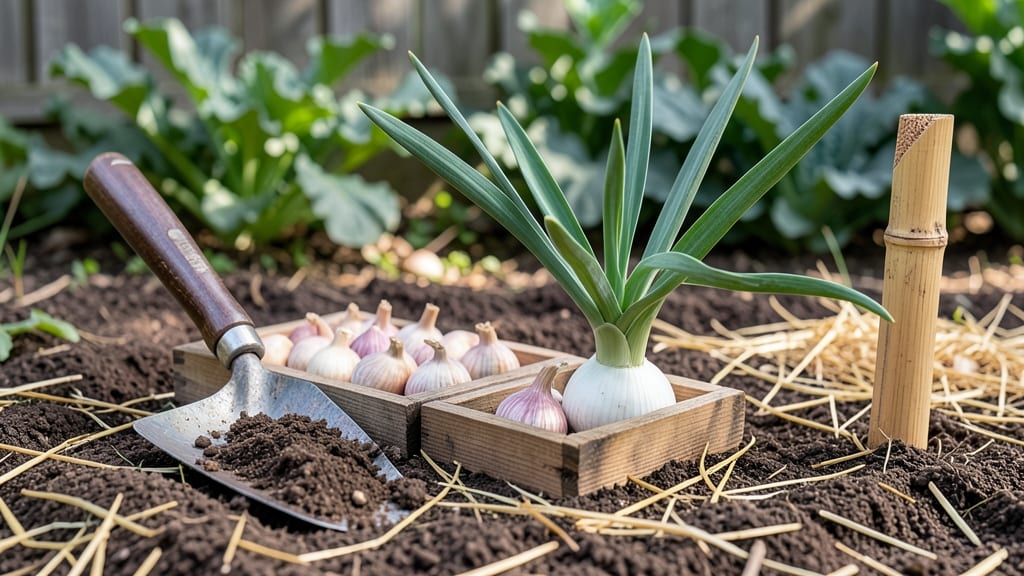
Planting garlic in Pennsylvania at the wrong time could mean the difference between plump, flavorful bulbs and disappointing harvests. The ideal window for hardneck varieties—like those perfect for Pennsylvania’s 5b-7a zones—opens in late September and closes by early October, when soil temperatures drop but frost hasn’t yet arrived.
Why does timing matter so much? Garlic needs a cold period to develop properly, but if you plant too early, cloves may sprout before winter sets in. Too late, and they won’t establish roots before the ground freezes.
In Pennsylvania, where winters vary from short thaws in the south to harsh freezes in the north, getting this right is non-negotiable.
In this guide, I’ll walk you through the exact fall planting window for Pennsylvania’s climate, soil prep secrets, and how to adjust for your specific zone.
Whether you’re a first-time gardener or a seasoned grower, these tips will help you maximize your harvest—because nothing beats the taste of homegrown 🧄 straight from your Pennsylvania garden.
From choosing the right variety to protecting your crop from unpredictable weather, you’ll learn how to turn your garlic patch into a reliable, high-yielding staple. Let’s get started—your next harvest begins with the right timing.
Best fall planting window for garlic in Pennsylvania (with USDA zone adjustments)
Pennsylvania’s USDA zones 5b-7a create a perfect climate for growing hardneck garlic, but timing is critical. The ideal window is late September to early October, when soil temperatures drop to 50-60°F—this triggers root growth before winter dormancy.
In colder Zone 5b areas like Erie, aim for early October, while Zone 7a gardeners in Philadelphia can plant until mid-October.
Garlic needs 4-6 weeks of cool weather before the ground freezes solid. Planting too early (August) risks premature sprouting, while late planting (November) may leave bulbs underdeveloped. Use your last frost date as a guide: count back 6 weeks from when temperatures consistently stay below 20°F.
Regional microclimates matter! Pittsburgh’s Zone 6a gardeners should plant by October 1st, while Scranton’s Zone 5b growers have until September 25th. Check local weather patterns—unpredictable thaws can disrupt dormancy, so prioritize cold-hardy varieties like ‘Music’ or ‘German White’.
Soil temperature is your best indicator. Use a soil thermometer to confirm temperatures are below 60°F before planting. If your soil stays warm into October, opt for smaller cloves (they establish faster) or consider early spring planting as a backup (though yields will be smaller).
Missed the fall window? Early spring planting (March) is possible, but bulbs won’t mature fully. For Zone 5b, plant by March 15th; Zone 7a gardeners have until April 1st. Spring-planted garlic is best used for green garlic or scapes rather than bulbs.
| Zone | Ideal Planting Window | Soil Temp (°F) | Last Frost Date | Key Variety |
|---|---|---|---|---|
| 5b (Erie, Scranton) | Sep 15 – Oct 1 | 50-60°F | Nov 15 | ‘German White’ |
| 6a (Pittsburgh) | Sep 25 – Oct 10 | 50-60°F | Nov 1 | ‘Music’ |
| 7a (Philadelphia) | Oct 1 – Oct 15 | 55-65°F | Oct 31 | ‘Silverskin’ (softneck) |
*Softneck varieties (like ‘Silverskin’) can tolerate later planting but won’t thrive in PA winters.
Pro tip: Adjust for elevation. Higher-altitude areas (e.g., Poconos) may need to plant 2 weeks earlier than valley regions. Test your soil’s drainage—garlic hates soggy winters. If your garden holds water, plant on a mound or raised bed to prevent rot.
Watch for unseasonable warmth in late fall. If temperatures rise above 50°F for prolonged periods, garlic may sprout prematurely, weakening bulbs. Use row covers or straw mulch to insulate plants if early thaws occur. This is especially critical in Zone 7a, where mild winters are common.
Harvest timing starts 240-300 days after planting, typically late June to July. But your fall planting window directly impacts bulb size—earlier plantings yield larger, more flavorful cloves. Mark your calendar now: October 1st is the sweet spot for most of Pennsylvania.
Best fall planting window for garlic in Pennsylvania (with USDA zone adjustments)
Pennsylvania’s USDA zones 5b-7a create a unique challenge for garlic growers. Unlike warmer climates, we need to plant hardneck varieties in late September to early October—a window that shrinks as you move north.
The goal? Get cloves in the ground when soil temps hit 40-50°F but before the first hard frost, which typically arrives in mid-October in zone 5b and early November in zone 7a.
For example, in Pittsburgh (zone 6a), aim for late September to early October, while Philadelphia (zone 7a) gardeners have a slightly later window—early to mid-October. This timing ensures garlic roots establish before winter, but the plant remains dormant during cold snaps.
Miss this window, and you risk cloves rotting in soggy soil or sprouting too early, weakening them before harvest.
| USDA Zone | Ideal Planting Window | Soil Temp Goal (°F) | First Frost Risk |
|---|---|---|---|
| 5b (e.g., Erie) | Late September | 40-50°F | Mid-October |
| 6a (e.g., State College) | Late Sept–Early Oct | 40-50°F | Early November |
| 7a (e.g., Philadelphia) | Early–Mid Oct | 45-55°F | Late October |
*Adjust for microclimates—south-facing slopes plant later; low areas earlier.
Pro tip: Use a soil thermometer to confirm temps. If your soil runs warmer (common in urban areas), plant 2-3 weeks earlier. Conversely, high-elevation spots like the Poconos (zone 5a) may need cloves in by mid-September to avoid frost damage.
Always check your local last frost date—Penn State Extension’s climate maps are a lifesaver for this!
One common mistake? Planting softneck garlic in Pennsylvania. These varieties thrive in milder winters and often rot before harvest. Stick to hardnecks like ‘Music’ or ‘German White’, which handle our cold snaps like champions.
Their scape production is a bonus—those curly stems can be braided and dried for decoration or eaten like green onions!
Remember, garlic needs 60-80 days of cold (below 40°F) to form bulbs. In Pennsylvania, this happens naturally during winter, but timing your plantings ensures your cloves get the full vernalization they crave. Plant too late, and you’ll end up with small, weak bulbs—or worse, no harvest at all.
The key is balance: early enough to establish roots, but late enough to avoid early sprouting.