
Plants
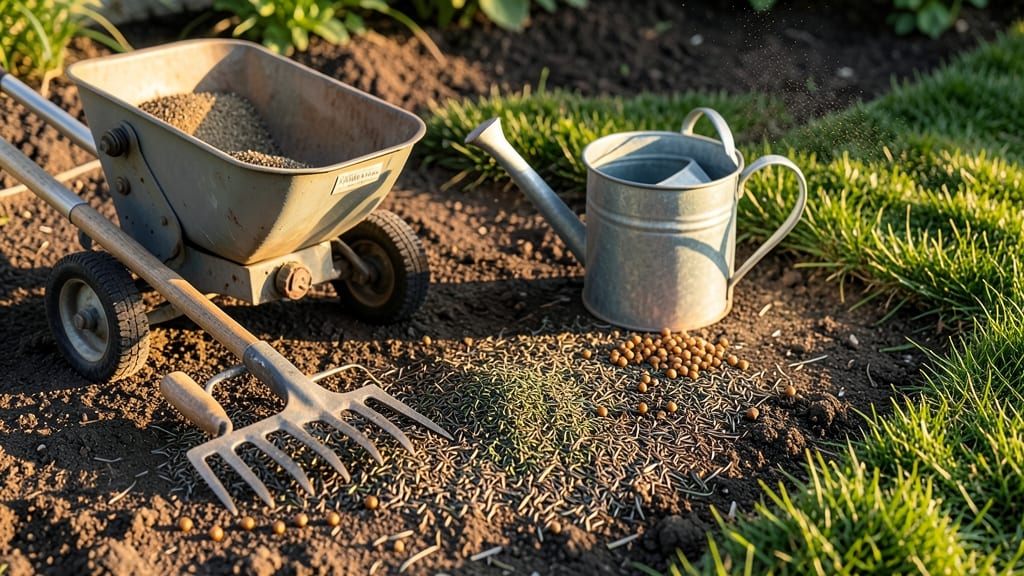
If you’ve ever wondered when is the best time to plant grass seed in Virginia, only to watch it struggle through summer heat or freeze before taking root, you’re not alone. The best time to plant grass seed in Virginia isn’t just about the calendar—it’s about giving your lawn the fighting chance it needs to thrive.
Fall is your golden window, but timing matters. Between late August and early October, soil stays warm enough for seeds to germinate while cooler air reduces stress on new sprouts.
Skip this window, and you risk weak growth or wasted seed—especially in Virginia’s 6a-8a zones, where microclimates can shift success from one county to the next.
I’ll break down the exact dates for Northern, Central, and Southern Virginia, plus the critical prep steps to avoid common mistakes. Whether you’re seeding a new lawn or patching bare spots, this is how you set your grass up for deep roots and year-round resilience.
Ready to transform thin patches into a lush carpet? Let’s dive into the science—and the secrets—behind Virginia’s most reliable planting schedule.
Virginia’s ideal grass seed planting window: fall dates by region
Virginia’s climate varies dramatically from the mountains in the west to the coastal plains in the east, so planting grass seed at the wrong time can mean wasted effort.
The best window for most of the state is late summer to early fall—when soil stays warm but air cools, reducing stress on new seedlings.
For Northern Virginia (USDA Zones 6a-7a), aim for September 15 to October 15, while Central Virginia (Zone 7b) can extend until November 1. Southern Virginia (Zone 8a) has a longer window, starting as early as mid-August.
Timing isn’t just about dates—it’s about soil temperature. Grass seed germinates best when soil is between 60°F and 75°F.
In Virginia, this typically aligns with fall, but a late spring planting (March–April) works too if you act quickly before summer heat arrives. Summer planting is risky because high temps cause seed to dry out before sprouting, while winter planting leaves seedlings vulnerable to frost.
Here’s how Virginia’s three distinct regions break down for optimal planting:
Rainfall also plays a critical role in Virginia’s planting success. Fall brings steady, gentle rains that keep soil moist without causing erosion, while spring can be unpredictable—some years bring drought, others excessive rain.
If you’re planting in dry fall conditions, set up a drip irrigation system to deliver 1/2 inch of water weekly until germination (about 14–21 days). In wet springs, delay planting until the soil dries enough to work without clumping.
Pro tip: Check the National Weather Service’s 7-day forecast before planting.
Aim for a stretch with no heavy rain in the first 48 hours—this gives seeds time to make contact with soil before getting washed away. Morning planting is ideal because evening dew can create a damp, fungus-friendly environment for new seedlings.
For Northern Virginia, where frosts arrive earlier, don’t wait past mid-October—seeds may not establish roots before winter dormancy. In Southern Virginia, you can push closer to Halloween, but avoid planting if temperatures dip below 50°F at night.
Always test your soil’s moisture level by grabbing a handful: if it crumbles when dry, it’s ready for seed.
One final rule: Never plant grass seed when the forecast calls for frost within 10 days. Young grass can’t survive freezing temps, and even hardy cool-season grasses like tall fescue need time to develop roots before winter.
If frost threatens, switch to spring planting or use winter ryegrass as a temporary cover crop.
🌱
Virginia’s ideal grass seed planting window: fall dates by region
Virginia’s diverse climate zones mean your planting window depends on where you live. Northern Virginia (USDA zones 6a-7a) has cooler soils, while Southern Virginia (zones 7b-8a) can handle earlier plantings. The sweet spot is when soil temps hover between 60–75°F—ideal for germination without summer heat stress.
For Northern Virginia, aim for September 15–October 15. This window avoids late-summer drought while giving seeds time to establish before first frost (typically October 15). Central Virginia gardeners have a wider window: September 1–November 1, with October being prime for deep root growth.
In Southern Virginia, you can start earlier—August 15–October 1. The warmer climate allows seeds to germinate faster, but avoid planting after September 15 to prevent winter dormancy issues. Always check 7-day forecasts for rain—consistent moisture is critical during the first 21 days of growth.
Virginia Grass Seed Planting Windows by Region
| Region | Best Planting Window | Soil Temp Range | Key Consideration |
|---|---|---|---|
| Northern VA (Zones 6a-7a) | Sept 15–Oct 15 | 60–70°F | Avoid early frost; prioritize cool-season grasses |
| Central VA (Zones 7a-7b) | Sept 1–Nov 1 | 65–75°F | Flexible window; monitor rainfall |
| Southern VA (Zones 7b-8a) | Aug 15–Oct 1 | 70–75°F | Start earlier; watch for humidity spikes |
🌱 Pro Tip: Use a soil thermometer to confirm temps before planting.
If you miss fall, early spring (March–April) is your second chance—but rush it, and seeds may germinate too late for summer’s heat. Tall fescue and Kentucky bluegrass thrive in Virginia’s climate, while Bermuda grass prefers warmer Southern zones. Always match your seed type to your region’s microclimate.
Rainfall patterns matter too. Northern Virginia averages 3–4 inches of rain per month in fall, while Southern Virginia sees 4–5 inches. If drought hits, supplement with drip irrigation to keep soil consistently moist. Avoid overhead sprinklers—they can wash seeds away or promote fungal growth.
Timing isn’t just about dates; it’s about soil conditions. Test your soil’s pH (6.0–7.0) and organic matter before planting. Amend with compost if needed—healthy soil = stronger roots. And remember: Fall-planted grass often outperforms spring plantings because cooler temps reduce weed competition and stress on young seedlings.