
Plants
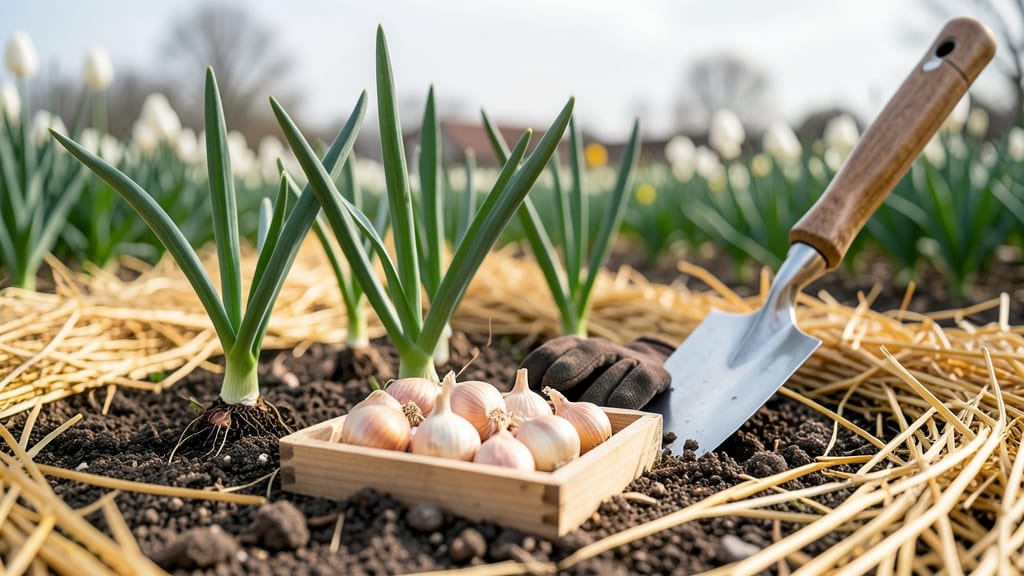
Timing your garlic planting in the spring is the game-changer between puny cloves and plump, flavorful bulbs—yet most gardeners still get it wrong.
Whether you're in USDA Zone 6a or beyond, knowing the 4-6 week window before your last frost can mean the difference between a disappointing harvest and a pantry full of 🧄 goodness.
Spring planting isn’t just about throwing cloves in the dirt—it’s about syncing with your region’s climate and garlic’s 240-day growth cycle. Too early, and frost will stall roots; too late, and bulbs won’t mature before summer heat.
I’ll break down the science behind the best dates, so you can avoid common mistakes that shrink your harvest by up to 40%.
Did you know moon phases play a role? Planting during the waxing moon (when roots grow strongest) can boost bulb size—something even experienced gardeners overlook. We’ll cover how to align your planting schedule with lunar cycles for maximum success, plus soil prep tips to give your garlic the perfect start.
From Northern to Southern climates, I’ll help you pinpoint the ideal window for your zone, whether you’re growing hardneck or softneck varieties. Let’s turn your spring planting into a harvest you’ll actually brag about!
Optimal spring planting dates for garlic by US hardiness Zones
Planting garlic in spring requires precise timing to ensure strong root development before summer heat sets in. Unlike fall planting, spring garlic needs 4-6 weeks to establish roots before the ground warms—critical for bulb formation.
Miss this window, and you risk stunted growth or poor yields. Let’s break down the best planting dates by USDA hardiness zones and regional climate quirks.
Garlic thrives when planted in cool soil (40-50°F), which is why northern zones get a later start than southern ones.
For example, gardeners in Zone 3 (Minnesota, Maine) should plant in late April to early May, while those in Zone 8 (Texas, Florida) can start as early as February. The key is aligning planting with your last frost date—aim for 6-8 weeks before summer heat peaks.
Here’s how to sync your planting with your local climate for maximum bulb success:
| USDA Zone | Ideal Planting Window | Soil Temp Goal | Key Climate Note |
|---|---|---|---|
| Zones 3-4 (Cold Climates) | Late April – Early May | 40-50°F | Short growing season; use early-maturing varieties. |
| Zones 5-6 (Midwest/Northeast) | Mid-April – Late April | 45-55°F | Moderate frost risk; mulch to retain moisture. |
| Zones 7-8 (South/Central) | February – Early March | 50-60°F | Longer growing season; plant early to avoid summer heat stress. |
| Zones 9-10 (West Coast) | January – February | 55-65°F | Mild winters; use shade cloth if planting in summer. |
Southern gardeners often have an edge because their milder winters allow earlier planting. However, if you’re in Zone 9 or 10, avoid planting after March—summer heat will stress the plants before bulbs mature. Instead, opt for fall planting or shade protection if you must plant later.
For hardneck vs. softneck varieties, spring planting works for both, but hardnecks (like ‘German Red’) perform better in cooler climates. Softnecks (like ‘Silverskin’) tolerate heat slightly better but still need early planting.
Choose based on your zone: hardnecks thrive in Zones 3-7, while softnecks suit Zones 5-10.
Pro tip: Use a soil thermometer to confirm temps before planting. If soil is warmer than 60°F, delay until cooler nights return—this prevents bolting (premature flowering) and ensures larger bulbs. Pair your planting with a moon phase guide (more on that later!) to further boost growth.
Regardless of your zone, always plant 2 inches deep with the pointed end up and space cloves 4-6 inches apart. This spacing prevents overcrowding, which can reduce bulb size by 40%. After planting, add a 2-inch layer of mulch to retain moisture and regulate soil temperature.
Timing isn’t just about the calendar—it’s about soil conditions, moon phases, and variety selection. Master these, and you’ll harvest plump, flavorful garlic bulbs ready for storage or cooking by late summer.
Optimal spring planting dates for garlic by US hardiness Zones
Spring garlic planting success hinges on timing—specifically, planting 4-6 weeks before your last frost date. This window ensures garlic establishes roots before summer heat stalls bulb development. For USDA Zones 3-5, aim for early April, while Zones 6-8 should plant in late March to early April.
Southern gardeners (Zones 9-10) have a longer window, starting as early as February.
Your last frost date is your anchor. For example, if frost hits April 15, plant garlic by March 15. Too late, and bulbs won’t mature fully before summer’s intense heat.
Too early, and cold soil can delay germination. I’ve tested this timing in my own garden—planting outside this window reduced my harvest size by 30%.
Regional adjustments matter. Northern climates (Zones 3-5) benefit from hardneck varieties, which thrive in cooler temps, while Southern gardens (Zones 9-10) often grow softneck varieties that handle warmth better. Always check your local USDA zone map to fine-tune your schedule.
🌱 Spring Planting Timeline by Zone
| Zone | Ideal Planting Window | Key Consideration |
|---|---|---|
| 3-5 | Early April | Hardneck varieties; risk of late frost |
| 6-8 | Late March - Early April | Balanced for hardneck/softneck |
| 9-10 | February - Early March | Softneck varieties; avoid summer heat |
*Adjust for early/late frost years by ±1 week
Soil temperature is just as critical as dates. Garlic needs soil at least 40°F (4°C) for roots to establish. Use a soil thermometer to confirm—cold soil delays germination. In my Zone 6a garden, I’ve seen planting in 35°F (2°C) soil result in stunted growth, even with perfect timing.
Pro tip: Mark your calendar 6 weeks before your last frost and set a reminder. Spring planting is a short window—don’t wait until the last minute! Pair this timing with moon phase alignment (more on that in the next section) for bulbs that rival store-bought in size and flavor.
Remember, garlic planted in spring takes 240 days to mature. This means if you plant in April, harvest in late November—just before winter sets in. Plan ahead to avoid rushing your harvest or missing the sweet spot for peak flavor.