
Plants
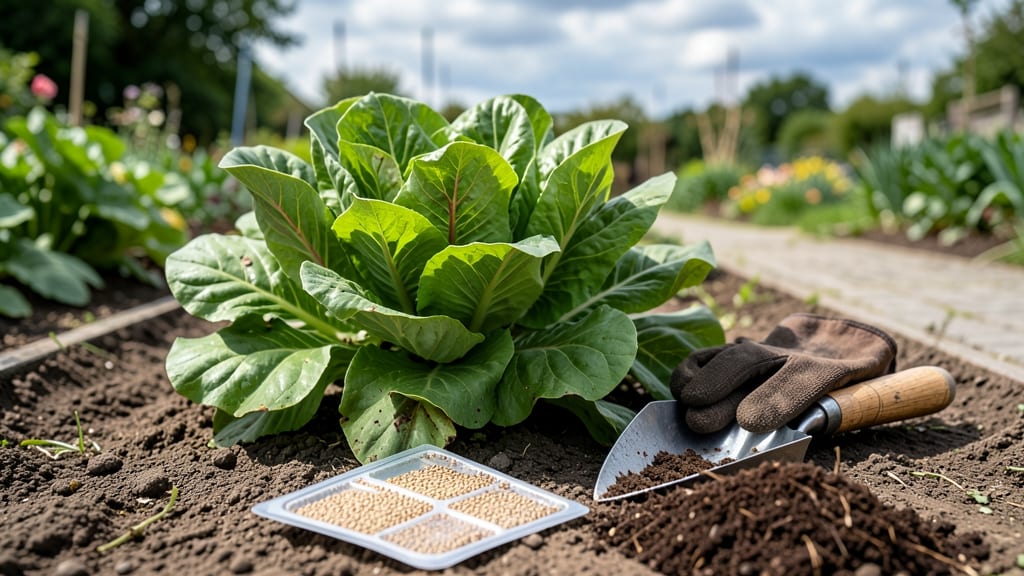
Planting lettuce in Georgia at the wrong time means either frost-wilted seedlings or bitter, bolted greens before you even harvest. The key to crisp, sweet 🥬 all season lies in knowing exactly when to start seeds or transplants—because Georgia’s 7b-8a climate demands precision.
Spring is your prime window, with late February to early March plantings giving you harvests by April. But don’t stop there—fall plantings in August and September extend your season until November, beating the heat that triggers bolting. I’ll show you how to time it perfectly for zero-waste harvests.
What most gardeners miss? The 30-day rule—planting too early risks frost, while waiting too long risks heat stress. We’ll cover frost dates, shade solutions, and the best varieties that actually thrive in Georgia’s summers. Ready to grow lettuce that’s always fresh and never bitter?
Let’s break down the exact months to plant, how to protect your crop from bolting, and why your neighbors’ lettuce always seems to fail where yours succeeds. It’s simpler than you think—and your taste buds will thank you.
Georgia lettuce planting calendar by month: avoid bolting and frost damage
Georgia’s USDA Zones 7b-8a give you two prime windows for growing crisp, bolt-resistant lettuce: early spring and late summer.
The key is planting 4-6 weeks before the last frost (around March 15) for spring crops and 8-10 weeks before the first frost (around November 15) for fall harvests. Timing this right means avoiding both frost damage and heat-induced bolting.
For spring lettuce, start seeds indoors in February or sow directly in March once soil temps hit 40°F. In summer, use shade cloth or opt for heat-tolerant varieties like Romaine to extend harvests into late August.
Fall planting begins in August for late-season crops that mature before frost.
Here’s your month-by-month breakdown for zero-bolt lettuce in Georgia, including frost dates, ideal planting times, and harvest windows:
| Month | Planting Time | Harvest Window | Key Notes |
|---|---|---|---|
| February | Start seeds indoors | April-May | Use grow lights for seedlings; harden off before transplanting. |
| March | Direct sow outdoors | April-June | Avoid late March if frost is likely; use row covers for protection. |
| April | Succession plant | May-July | Plant every 2 weeks for continuous harvests; watch for bolting in heat. |
| May | Limit planting | June (early) | Use shade cloth or heat-tolerant varieties; avoid direct sowing after May 15. |
| August | Start fall crops | October-November | Plant 8-10 weeks before frost; use cool-season varieties like Buttercrunch. |
| September | Succession plant | October-December | Plant every 3 weeks for extended harvests; protect from early frosts. |
| October | Late-season sowing | November | Use row covers to push harvests into November; avoid planting after October 15. |
For continuous lettuce harvests, practice succession planting every 2-3 weeks during spring and fall. In summer, focus on shade-loving varieties like Oakleaf or Butterhead, and always keep soil consistently moist to prevent bolting. Mulch with straw or leaves to retain moisture and regulate soil temperature.
In North Georgia (Zone 7b), expect earlier frosts—plant 2 weeks earlier than the calendar suggests. In South Georgia (Zone 8a), you can extend fall planting into early October and even overwinter hardy varieties like Winter Density with row covers.
Always check your local frost-free date for precise timing.
Pro tip: Direct-sow seeds rather than transplanting seedlings to avoid transplant shock, which weakens plants and makes them more prone to bolting. Use a soil thermometer to ensure soil temps stay between 40°F and 75°F—
Best lettuce varieties for Georgia’s heat and how to extend the growing season
Georgia’s summer heat can turn tender lettuce into bitter, bolted disappointment—but the right varieties and season-extending tricks keep your garden producing crisp salads all year. I’ve grown lettuce in USDA Zones 7b-8a for years, and these bolt-resistant types thrive even when temperatures flirt with 90°F.
The secret? Choose heat-tolerant varieties and use shade cloth or succession planting to push harvests later.
For spring and fall, Romaine (like 'Parris Island') and Buttercrunch ('Buttercrunch Improved') are my top picks. These varieties handle cooler temps and light frost better than delicate types.
In late summer, switch to Oakleaf ('Black Seeded Simpson') or Green Leaf ('Salad Bowl'), which bolt 2-3 weeks later than standard lettuce. Pro tip: Look for slow-bolting labels—these are bred to handle Georgia’s long, hot summers without going to seed.
🌱
🌿 Bolt-Resistant Lettuce Varieties for Georgia
✅ Handles heat well; upright growth; crisp texture
✅ Plant Feb-Mar or Aug-Sept for fall harvests
✅ Sweet, buttery flavor; slow to bolt
✅ Ideal for spring and fall gardens
✅ Heat-tolerant; loose-leaf; great for summer
✅ Use shade cloth in peak summer
✅ Fast-growing; cut-and-come-again
✅ Perfect for succession planting
To extend your harvest window, try these Georgia-proven techniques. First, use shade cloth (30-50% shade) when daytime temps exceed 85°F. I drape it over my raised beds in June and July, and it buys me 4-6 extra weeks of harvests.
Second, succession plant every 2 weeks from February through April and August through September. This ensures a continuous supply of fresh leaves instead of one big harvest that bolts all at once.
For late-summer heat, container gardening works wonders. Fill 5-gallon pots with well-draining potting mix, plant Oakleaf or Green Leaf, and place them in partial shade (morning sun only). Water daily and harvest outer leaves to keep plants compact and cool.
I’ve grown lettuce this way in August with zero bolting—just keep the soil moist and mulched to regulate temperature.
Don’t forget fertility tricks to keep lettuce sweet and slow-bolting. In spring and fall, feed with a balanced 5-10-10 fertilizer every 4-6 weeks, but skip fertilizer in summer—too much nitrogen speeds up bolting.
Instead, side-dress with compost in early spring and late summer to feed roots without overheating the soil. My fall lettuce stays crisp longer when I mulch with straw to insulate roots from cool nights and warm days.
With the right varieties and season-extending hacks, you can enjoy crisp, bolt-free lettuce from February through November in Georgia. Start with Romaine in spring, switch to Oakleaf in summer, and end with Buttercrunch in fall. Your salad bowl—and your taste buds—will thank you! 🥬