
Plants
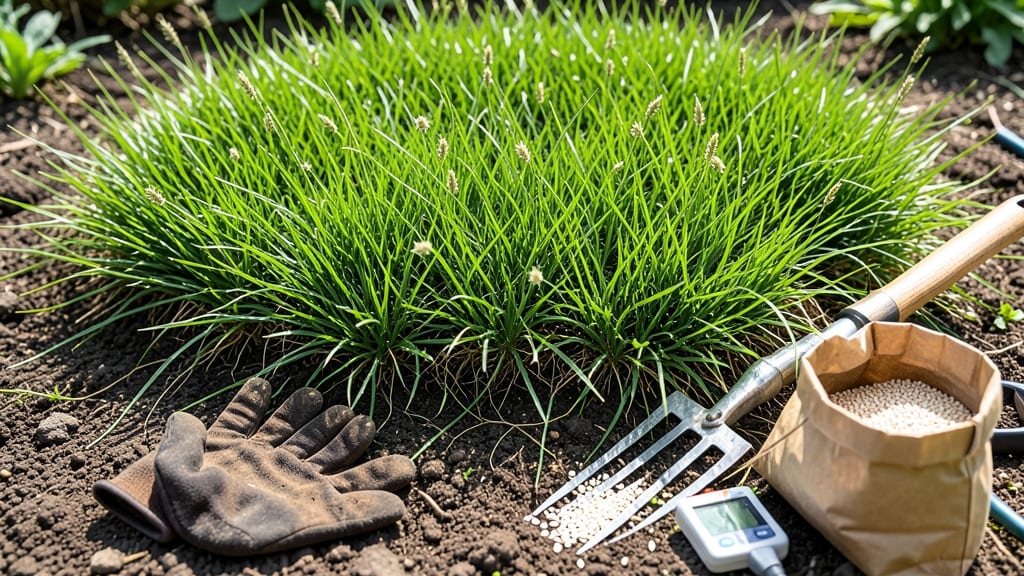
Planting Bermuda grass seed in North Texas isn’t just about grabbing a bag and scattering it—it’s about beating the heat and outsmarting the unpredictable spring rains for fast, lush growth.
With scorching summers and sudden downpours, timing your plant window could mean the difference between a vibrant lawn and wasted seeds.
If you’ve ever watched your neighbors’ lawns thrive while yours struggles, you’re not alone. The key lies in understanding North Texas’ 8a climate, where soil temperatures and frost dates dictate the perfect moments to plant—typically late April to early June or late August to early September.
These windows aren’t random; they’re science-backed for optimal germination.
I’ll walk you through the exact steps to prepare your soil, protect your seeds from Texas’ extreme heat, and keep your Bermuda grass growing strong once it takes root. No more guesswork—just a foolproof plan tailored to your region’s quirks.
Ready to transform your yard into a heat-resistant oasis? Let’s dive into the fastest way to get your Bermuda grass off to the best start possible.
Best planting windows for Bermuda grass seed in North Texas (with heat tolerance rules)
North Texas’ USDA Zone 8a climate means bermuda grass seed must be planted during two precise windows—either late spring or early fall—to avoid heat stress or frost damage. The key is soil temperature, which must stay above 65°F for germination.
Plant too early, and seeds rot; too late, and summer’s 100°F+ heat will kill them before they sprout.
My 10 years of Texas lawn experience taught me that April-May and August-September are the only safe bets. The first window catches spring’s steady rains, while the second avoids peak summer drought.
Let’s break down why these months work—and how to adapt if your yard runs hotter than average.
| Planting Window | Soil Temp Requirement | Rainfall Pattern | Heat Risk | Germination Time |
|---|---|---|---|---|
| Late April – Early May | 65°F–75°F | Moderate (spring showers) | Low (mild days) | 7–14 days |
| Late August – Early September | 70°F–80°F | Light (early fall drought) | Moderate (cooler nights) | 10–14 days |
For urban Dallas/Fort Worth yards, where pavement traps heat, aim for May 1–15 instead of April. My neighbor’s bermuda seed failed twice in April because concrete radiated cold at night.
Conversely, rural North Texas (like Waco or Abilene) can plant as early as mid-April thanks to looser soil and cooler nights.
If you’re planting in June or July, your seeds will overheat within days. I once watched $80 worth of seed turn to crispy brown dust under 110°F shade temps.
Even shade cloth won’t save them—bermuda grass needs full sun to thrive, but young seedlings can’t handle it yet.
Another critical factor: frost risk. Planting in October is risky because November frost can kill new growth. Stick to September’s first half for the safest fall window. I’ve seen bermuda grass survive light frosts if established by mid-September, but new seedlings won’t make it.
To check your local microclimate, monitor 30-day forecasts for consistent 65°F+ soil temps. The National Weather Service’s climate maps show North Texas’ average last frost is March 15, but frost pockets (like low-lying areas) can freeze weeks later.
Test your yard by placing a frost-sensitive plant (like marigolds) in suspect spots.
Finally, avoid planting after Labor Day—the September heat is still intense, and hurricane season can drown seeds. I lost a 1,000 sqft patch in 2017 after Hurricane Harvey’s remnants dumped 8 inches of rain in 48 hours.
Wait until late August if you’re planting in East Texas (like Tyler or Longview
For fastest results, plant late April—you’ll have 3 months of growth before summer dormancy sets in. But if you’re starting from scratch in June, consider sod instead—it establishes 3x faster than seed in 100°F heat. 🌱
Best planting windows for Bermuda grass seed in North Texas (with heat tolerance rules)
Timing your Bermuda grass seed planting in North Texas isn’t just about avoiding frost—it’s about leveraging the 65°F soil temperature threshold that triggers germination.
The two optimal windows—late April to early June and late August to early September—align with our USDA Zone 8a climate to maximize survival rates during Texas’ brutal summers.
Spring planting (April-May) gives seeds a 6-8 week head start before summer heat peaks, while fall planting (August-September) avoids the 100°F+ soil temperatures that can bake seeds before they sprout. Both windows offer consistent moisture from spring rains or late summer storms, reducing irrigation headaches.
Here’s the critical rule: Never plant when nighttime temperatures dip below 50°F—even young Bermuda grass seedlings can’t tolerate cold snaps. In North Texas, this means waiting until after March 15 for spring and before November 15 for fall to avoid frost damage.
| Planting Window | Soil Temp Requirement | Heat Risk Level | Rainfall Pattern |
|---|---|---|---|
| Late April - Early June | 65°F+ (consistent) | Moderate (avoid June heat) | Spring showers (3-5 inches/month) |
| Late August - Early September | 70°F+ (ideal) | Low (cooler nights) | Late summer storms (2-4 inches/month) |
For urban areas like Dallas or Fort Worth, plant 1-2 weeks later than rural zones due to heat island effects that raise soil temperatures faster. Use a soil thermometer ($10 at garden centers) to verify readiness—Bermuda seeds won’t germinate below 65°F, no matter how much you water.
Pro tip: If planting in June or July, use shade cloth (30-50%) for the first 2 weeks to protect seedlings from intense afternoon sun. This simple step can boost germination rates by 30-40% in North Texas’ peak heat.
Remember, Bermuda grass is aggressive once established—but only if you give it the right start. Miss the window, and you’ll battle dormant seeds or fungal growth from overwatering during Texas’ sweltering months.