
Plants
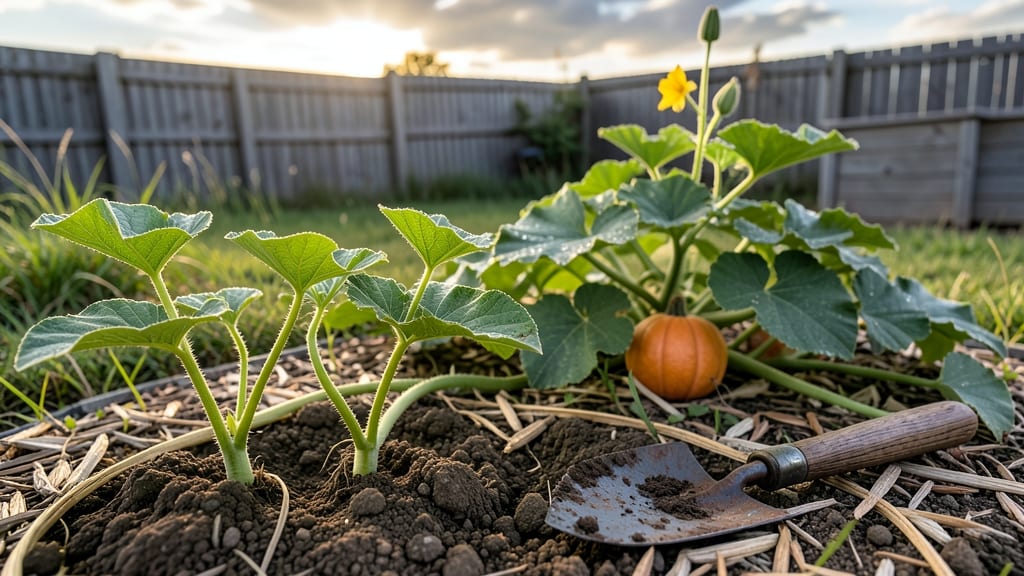
Timing your pumpkin planting in Washington State could mean the difference between a bountiful harvest of 🎃 and a disappointing patch of vines. The perfect window varies by region—from 5b in Eastern WA to 8b in Western WA—but getting it right ensures your pumpkins thrive, not bolt prematurely.
Most gardeners in Washington plant pumpkins between mid-April and mid-June, but the exact timing depends on your variety and microclimate. Whether you're growing carving pumpkins or sweet pie varieties, knowing when to start seeds (indoors or direct-sow) is the key to avoiding frost damage and maximizing yield.
In this guide, I’ll break down the best months for planting by variety, share soil prep secrets, and explain how to adjust for Washington’s unpredictable spring weather. You’ll also discover companion plants that boost growth and post-planting care tips to keep your pumpkins healthy until harvest.
Ready to grow pumpkins like a pro? Let’s dive into the exact planting schedule—and avoid common mistakes—that will have you carving (or baking!) your own pumpkins by fall.
Best planting months for pumpkins in Washington State by variety
Washington’s diverse climate—from the Puget Sound’s cooler coastal air to Eastern WA’s hotter inland valleys—means your pumpkin planting timeline should align with your microclimate. In Western WA (USDA Zones 7b-8b), aim for mid-April to early June after the last frost (typically April 15 in Seattle).
Gardeners in Eastern WA (Zones 5b-6a) should wait until late May to mid-June when soil reaches 70°F (21°C)—bolting risk drops dramatically at this temperature.
For carving pumpkins like Howden or Cinderella, which need 90-120 days to mature, late May planting ensures harvests by October 15 before frost. Pie pumpkins (e.g., Sugar Pie) can tolerate slightly later starts (early June) since they mature in 75-90 days.
Meanwhile, winter squash varieties like Butternut (often grouped with pumpkins) thrive with June 1-July 1 plantings for late-season harvests.
Pro tip: Use Washington State University’s frost maps to pinpoint your exact last frost date. For example, Spokane’s last frost averages May 15, while Bellingham’s is April 25. Planting too early in Zone 5b risks cold soil, which stunts growth and invites damping off disease.
🎃 Washington Pumpkin Planting Guide by Variety & Region
| Variety Type | Western WA (Zones 7b-8b) | Eastern WA (Zones 5b-6a) | Days to Maturity | Key Notes |
|---|---|---|---|---|
| Carving Pumpkins | Mid-April to May 15 | Late May to June 1 | 90-120 days | Needs full sun; stake vines |
| Pie Pumpkins | Late April to June 1 | Early June to June 15 | 75-90 days | Smaller vines; disease-resistant |
| Winter Squash (e.g., Butternut) | June 1-July 1 | June 15-July 15 | 100-120 days | Plant after heatwave risk |
| Mini Pumpkins (e.g., 'Jack Be Little') | Late May to June 10 | Late May to June 15 | 60-75 days | Great for containers; fast-growing |
If you’re growing mini pumpkins like Jack Be Little, late May to early June plantings work perfectly—they mature in 60-75 days, avoiding late-season frost in most of WA. For container gardening, use 5-gallon pots and plant 2-3 seeds per pot to save space.
Just ensure your container stays warm (black pots absorb heat better) and water consistently.
For Eastern WA gardeners, soil warming is critical. Lay down black plastic mulch 2 weeks before planting to raise soil temps by 5-10°F. This trick lets you plant 2 weeks earlier in Zone 5b areas like Moses Lake or Pullman.
Pair this with row covers for early protection against late frosts.
One common mistake? Planting too late for full-size pumpkins.
Best planting months for pumpkins in Washington State by variety
Washington State’s varied climate means planting times differ dramatically between the Puget Sound region and Eastern Washington. In Western WA (USDA Zones 7b-8b), you can start pumpkin seeds as early as mid-April, while Eastern WA (Zones 5b-6a) gardeners should wait until late May to avoid frost damage.
Always check your local last frost date—Puget Sound averages April 15, while Spokane’s is closer to May 20.
For carving pumpkins like 'Howden' or 'Cinderella', aim for late May planting to ensure harvests by October 1.
These varieties need 90-100 days to mature, so timing is critical. Pie pumpkins like 'Sugar Pie' can be planted slightly later (early June) since they mature in 75-85 days. Meanwhile, winter squash varieties (e.g., 'Long Island Cheese') thrive with June planting for fall harvests.
| Variety Type | Best Planting Window (Western WA) | Best Planting Window (Eastern WA) | Days to Maturity | Key Notes |
|---|---|---|---|---|
| Carving Pumpkins | Late May - Early June | Early June - Mid-June | 90-100 days | Needs warm soil (>70°F) |
| Pie Pumpkins | Early June | Mid-June | 75-85 days | Compact vines, great for containers |
| Winter Squash | June | Late June | 100-120 days | Store well for winter use |
Soil temperature is more critical than air temperature for pumpkin success. Use a soil thermometer to confirm 70°F (21°C) before planting—cold soil causes poor germination and slow growth.
In Western WA, soil warms quickly by late May, while Eastern WA may need to wait until June 1. For direct sowing, plant seeds 1 inch deep and 2 feet apart in hills, with 3-4 seeds per hill for better yield.
If you’re growing dwarf varieties like 'Jack Be Little', you can plant them 2-3 weeks later than standard pumpkins. These 3-5 foot vines mature in 70-80 days, making them perfect for container gardens or small spaces.
Just ensure they get full sun (6+ hours daily)—even Puget Sound’s cloudy summers can’t compensate for shade. For maximum vine spread, allocate 10-20 feet of space per plant in your garden layout.
Pro tip: Mulch heavily after planting to retain soil moisture and prevent bolting (premature flowering). Use straw or black plastic mulch to keep soil temps stable.
In Eastern WA, where nights can still dip below 50°F (10°C) in June, consider row covers for the first 2 weeks to protect young seedlings. Always harden off seedlings if starting indoors—WA’s coastal breezes can shock tender plants.
Remember, July plantings are risky but possible for fast-maturing varieties like 'Jack Be Little'. These late-season pumpkins may not reach full size but still produce edible fruit.
For zero-bolt harvests, stick to the May-June window and monitor soil moisture—drought stress is a top cause of bitter-tasting pumpkins in WA’s dry summers. 🎃