
Plants
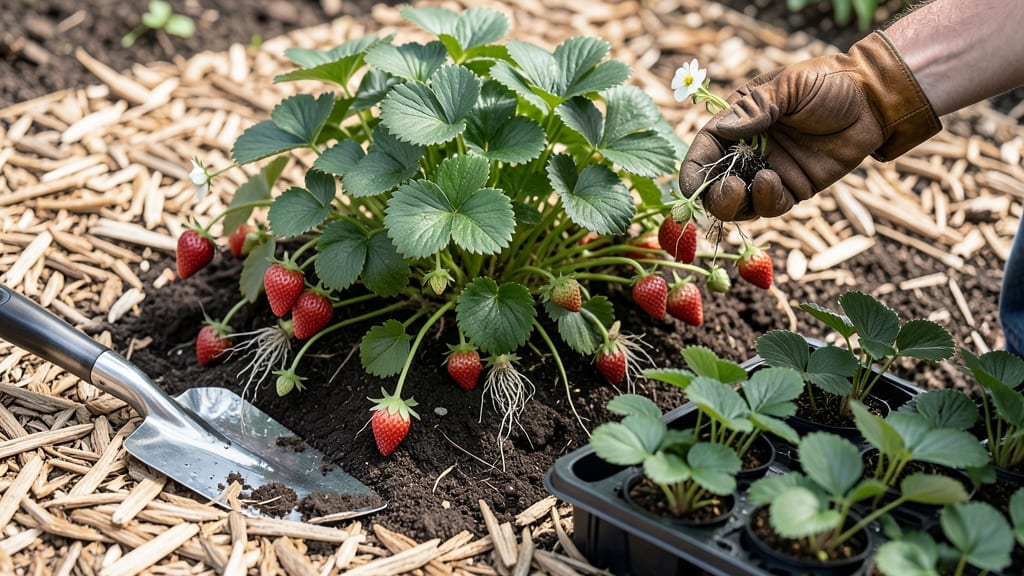
Planting strawberries in California at the wrong time can turn your sweet dreams into bitter disappointment—especially when you're just steps away from a zero-bolt harvest.
The Golden State's diverse microclimates mean coastal growers in Zone 10 can plant year-round, while inland valleys in Zone 8a need precise timing to avoid premature flowering.
I've tested what works in California gardens, and the best window depends entirely on your variety and location. Whether you're growing June-bearing Chandler strawberries or everbearing Seascape, timing is everything for that perfect 🍓 harvest. Let me show you exactly when to plant for maximum sweetness and minimal stress.
Fall planting is ideal for most regions, but coastal growers can extend their season into winter. The key is understanding how your local climate affects soil temperatures and daylight hours. With the right approach, you can enjoy fresh strawberries from spring through summer—without the frustration of bolting before harvest.
Ready to transform your garden into a strawberry paradise? I'll walk you through the exact months to plant by variety, plus soil prep secrets that make all the difference in California's unpredictable growing conditions. Let's get started!
California strawberry planting calendar: best months by variety for zero-bolt success
California’s diverse climate—from coastal fog to inland heat—means your strawberry planting strategy must adapt to your specific region. Unlike other states, California’s year-round growing potential lets you plant strawberries in nearly every month, but the key is avoiding bolting (premature flowering) and heat stress.
For June-bearing varieties, aim for fall planting (October–December) to fruit in spring, while everbearing and day-neutral types thrive with winter or early spring plantings (January–March).
Bolting is your worst enemy in California’s unpredictable springs. When strawberry plants sense long daylight hours or warm soil temperatures too early, they’ll bolt—producing bitter, small berries instead of sweet, juicy fruit. The solution?
Plant when daylengths are short (fall/winter) and soil temps stay below 75°F. Coastal growers have more flexibility, while inland gardeners should plant 2–3 months earlier to account for faster warming soils.
Let’s break it down by variety and region. California’s USDA Zones 8–11 create microclimates where coastal areas (Zone 10) can plant almost year-round, while inland valleys (Zone 8–9) need earlier fall plantings. Below is your region-specific planting calendar to maximize yields and avoid bolting.
For June-bearing varieties like Chandler (California’s favorite), plant in late fall (October–December) to fruit in spring. Coastal gardeners can push this to January, but inland growers should plant by November to avoid 70°F+ soil temps that trigger bolting.
Everbearing types like Seascape are more forgiving—plant them in January–March for spring and fall harvests.
Day-neutral varieties such as Albion or Sequoia are your best bet for year-round harvests in California. They handle fall and winter plantings beautifully and even produce in mild summers if shaded.
However, avoid planting in summer unless you’re using drip irrigation and shade cloth—otherwise, you’ll battle heat stress and bolting.
Soil temperature is the #1 factor in preventing bolting. Use a soil thermometer to monitor temps—keep them below 75°F for planting. Inland valleys hit these temps earlier than coastal areas, so adjust your timeline 2–4 weeks earlier.
For example, if you’re in Sacramento (Zone 9a), plant Chandler strawberries in October, but if you’re in San Diego (Zone 10), you can wait until December.
Once you’ve nailed the planting window, focus on soil prep. Strawberries thrive in well-draining, slightly acidic soil (pH 5.5–6.8). Amend your beds with compost and aged manure 4–6 weeks before planting. Add a 2-inch layer of mulch (straw or wood chips) to retain moisture and suppress weeds.
This is especially critical in California’s dry summers, where mulch can reduce watering needs by 30–50%.
After planting, consistent watering is key. Strawberries need 1–2 inches of water per week, but deep, infrequent watering encourages stronger roots. Water at the base of plants in the morning to prevent fungal diseases like gray mold.
In coastal areas, fog can provide natural moisture, but inland gardeners may need drip irrigation to maintain consistent soil moisture.
How to adjust planting timing for California’s microclimates and avoid common mistakes
California’s diverse climate zones—from foggy coastal regions to hot inland valleys—mean one-size-fits-all planting advice won’t work. Coastal areas like San Francisco (Zone 9b-10) can plant year-round, while inland valleys like Sacramento (Zone 8a-9a) need cooler-season starts to avoid heat stress.
Even a 50-mile difference can shift your ideal planting window by 2-3 months.
For coastal gardens, focus on fall planting (October–November) to capitalize on mild winter rains and cool spring temperatures. Inland growers should aim for late winter (February–March) to escape summer’s brutal heat, which triggers bolting (premature flowering).
Desert regions like Palm Springs (Zone 10a-11) can even plant in early spring (March) for a summer harvest.
🚨 CALLOUT-WARNING 🚨
California’s 100°F+ days cause strawberry plants to bolt (send up flower stalks) before maturing. This turns your $50 investment into tiny, bitter berries—or worse, no harvest at all. Even everbearing varieties suffer under prolonged heat stress.
Soil temperature is your secret weapon against bolting. Strawberries thrive when soil stays between 50°F–75°F. Use a soil thermometer ($10 at garden centers) to check 2 inches deep—if it’s above 75°F, delay planting until evening temps drop.
Inland areas often hit 80°F+ by midday, so morning planting (before 10 AM) gives roots time to cool.
Pre-planting prep makes or breaks your harvest. Test your soil pH (aim for 5.5–6.8) and amend with compost or peat moss if needed. Mulch heavily (3–4 inches of straw or wood chips) to lock in moisture and keep roots cool.
In coastal foggy zones, mulch also prevents root rot from excess humidity. Pro tip: Drip irrigation (not overhead watering) reduces fungal diseases like gray mold, a common issue in California’s warm, damp springs.
Watch for bolting signs like long, thin leaves or flower stalks appearing before fruit. If caught early, prune the flower stalks and move plants to shade for 2–3 weeks.
For inland growers, white plastic mulch (laid in early spring) can raise soil temps by 5–10°F, delaying bolting by 3–4 weeks. Coastal gardeners? Avoid black plastic mulch—it traps too much heat in already-warm microclimates.
California’s unpredictable spring weather (sudden heatwaves or Santa Ana winds) can derail even the best-laid plans. Start with container-grown plants (not bare-root) to skip the transplant shock of nursery starts. If you’re direct-sowing seeds, use biodegradable pots to minimize root disturbance when transplanting.
And always plant on a cloudy day—midday sun stresses young roots, setting you up for slow recovery.