
Plants
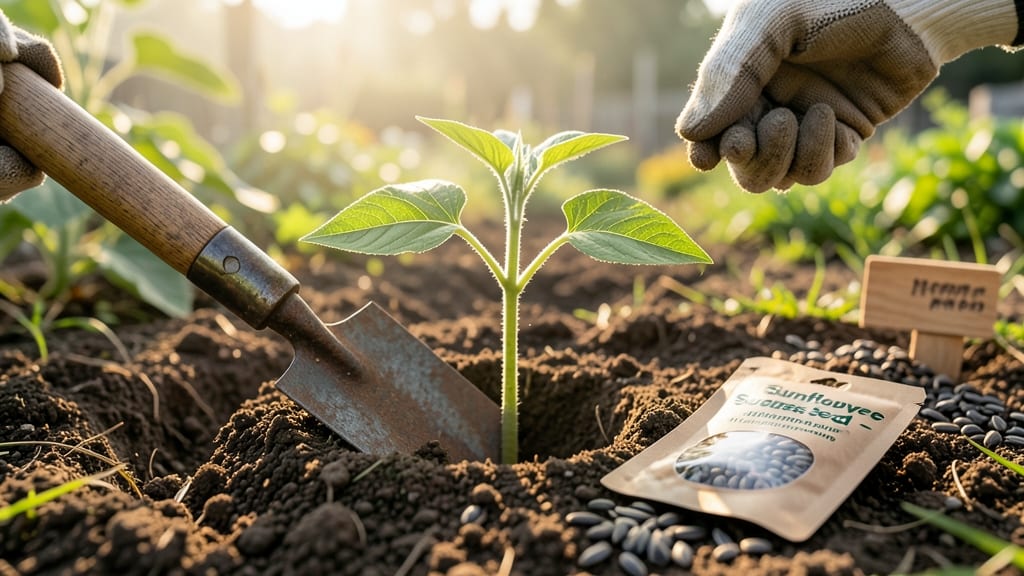
If you're dreaming of towering sunflowers 🌻 that steal the show in your Ohio garden, timing when do you plant sunflower seeds in Ohio is the secret weapon you can't afford to miss.
Ohio's variable spring weather means planting too early risks frost damage, while waiting too long could leave you with stunted blooms that never reach their full potential.
For USDA Zone 6a gardeners like you, the ideal window opens around April 15 and stretches through early June - but there's more to it than just dates.
Understanding your local frost patterns and soil temperature is what separates a mediocre harvest from a garden full of sunflower giants that could reach 10 feet or taller.
I'll walk you through exactly how to time your sunflower planting for maximum height and vigor, including when to start seeds indoors if you want an early jumpstart.
Whether you're a first-time gardener or a veteran with Ohio soil under your nails, these precise planting strategies will help you grow sunflowers that become the star attraction of your summer landscape.
Let's dive into the science behind Ohio's planting windows and discover how to give your sunflowers the perfect head start for a season of bold colors and wildlife magnetism.
You'll find out why two weeks after your last frost date is the sweet spot for most varieties, and how to adjust for Ohio's unpredictable weather patterns that can throw off even the best-laid plans.
Ohio sunflower planting timeline: exact weeks before last frost for maximum height
Ohio’s USDA Zones 5b-6a mean your sunflower seeds need precise timing to reach their 6-14 foot potential. Planting too early risks frost damage, while late planting may leave you with stunted blooms or no harvest at all.
The key? Aim for 2-4 weeks after your average last frost date, which varies across Ohio’s regions.
Northern Ohio (e.g., Cleveland, Toledo) typically sees its last frost around April 15, while southern Ohio (e.g., Cincinnati, Columbus) averages April 20-25. For maximum height, plant seeds when soil temperatures hit 55°F+—a threshold sunflowers need to germinate reliably. Use a soil thermometer to confirm before sowing.
Here’s the exact planting window for Ohio’s microclimates:
If you’re in a microclimate (e.g., near lakes or valleys), adjust by 1 week earlier or later based on local frost patterns. For example, Toledo’s colder pockets may need seeds in by May 5, while Chillicothe’s warmer areas can plant until May 25 for full-season blooms.
Sunflowers thrive with 6-8 hours of sunlight daily, so choose a south-facing spot with well-draining soil. Amend heavy clay soil with compost or sand to improve drainage—waterlogged roots lead to rot and poor germination.
Space seeds 6 inches apart in rows 18-24 inches apart to give mature plants room to grow.
For late starters, opt for fast-maturing varieties like ‘Early Bird’ (55 days to maturity) or ‘Autumn Beauty’ (60 days). These can still produce harvestable seeds if planted by June 1, though stems may be shorter.
Use row covers if an unexpected frost threatens young seedlings—just remove covers when plants reach 6 inches tall.
Water seeds lightly but consistently until germination (7-14 days). Once sprouted, water deeply 1-2 times per week, focusing on the soil base to encourage deep root growth. Overhead watering can spread disease, so use a soaker hose or drip irrigation for established plants.
Monitor your sunflowers for squirrel activity—they love fresh sunflower seeds! If pests are an issue, plant seeds in wire mesh cages until sprouts emerge. For organic pest control, sprinkle diatomaceous earth around the base or plant marigolds nearby to deter critters.
By following these Ohio-specific timelines, you’ll grow sunflowers that reach their full height and attract pollinators all summer long. 🌻
How to adjust sunflower planting for Ohio’s unpredictable weather patterns
Ohio’s weather can be as unpredictable as a summer storm, with late frosts in May or early heatwaves in April. These swings can derail your sunflower dreams if you’re not prepared. The key is flexibility—adjusting your planting strategy to match Ohio’s USDA Zones 5b–7a and microclimates.
Northern Ohio (like Toledo) faces earlier frosts, while southern Ohio (like Cincinnati) enjoys longer growing seasons. Plan for both scenarios.
Start with cold-hardy varieties like ‘Autumn Beauty’ or ‘Moulin Rouge’ if you’re in the north. These tolerate light frosts and can handle early spring plantings. For southern Ohio, opt for faster-maturing types like ‘ProCut’ or ‘Russian Giant’ to maximize height before fall frosts.
Always check your local last frost date—it can vary by 1–2 weeks across the state.
🌱
⚠️ Late Frost Warning
If frost threatens after planting, cover seedlings with row fabric or cloches. Sunflowers can survive 28°F once established, but young sprouts are vulnerable. In northern Ohio, wait until May 10–15 to plant—even if soil is workable.
For southern Ohio, April 20–May 1 is ideal. Use a soil thermometer—seeds need 50–55°F soil to germinate reliably.
Succession planting is your secret weapon against Ohio’s weather whims. Instead of one big planting, sow seeds every 2 weeks from April to June. This ensures continuous blooms and harvests, even if early plantings fail.
For example, plant a batch on April 25, another on May 10, and a final one by May 25. This spreads risk and guarantees tall, healthy stalks regardless of late frosts.
Prepare your soil like a pro to give sunflowers a head start. Ohio’s clay-heavy soils drain poorly, so mix in 2–3 inches of compost or aged manure before planting. Add a 1-inch layer of mulch (straw or wood chips) to retain moisture and suppress weeds.
In drought-prone years, mulch is non-negotiable—it keeps roots consistently moist and prevents stunted growth.
Heatwaves can also stress sunflowers, especially in July. If temperatures hit 90°F+, water deeply twice weekly to encourage deep root growth. Avoid overhead watering—it promotes fungal diseases like powdery mildew. Instead, water at the base of the plant in the morning to reduce evaporation and disease risk.
Finally, embrace Ohio’s shortened growing season by choosing varieties with the right maturity timeline. In northern Ohio, aim for 80–90 day varieties (like ‘Teddy Bear’). In southern Ohio, you can push to 100–120 day giants (like ‘Russian Mammoth’) for dramatic height.
Always calculate your first frost date and subtract the variety’s days to maturity—this ensures blooms before winter’s chill sets in.