
Plants
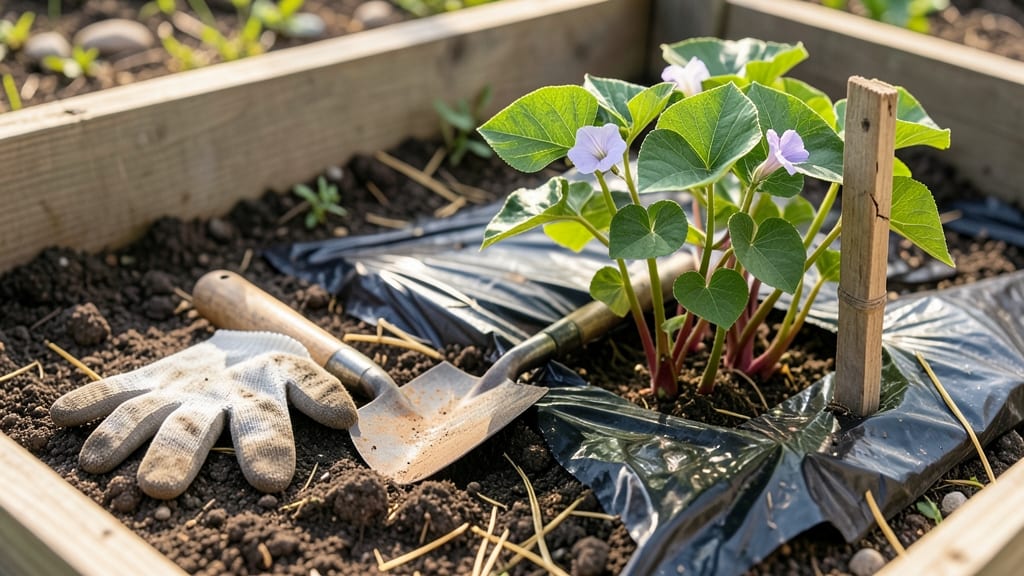
If you’ve ever wondered when do you plant sweet potatoes in Florida, the answer isn’t just about the calendar—it’s about beating the heat while giving your 🍠 time to thrive before summer’s intensity peaks.
Florida’s frost-free climate means you’ve got two prime windows: early spring (March–May) and late summer (August–September), but timing matters more than you’d think.
Plant too early, and your tubers may struggle to mature before the oppressive heat sets in. Too late, and you risk stunted growth or even crop failure from the relentless sun.
The key is waiting until soil temperatures hit at least 65°F—a sweet spot that ensures strong germination without stressing your slips.
Here’s the game-changer: Florida gardeners swear by slips (young plants) over seeds because they grow faster in our warm soil. Whether you’re in the Panhandle or Miami, I’ll break down the exact months to plant, the best heat-tolerant varieties, and how to keep your harvest safe from Florida’s summer extremes.
Ready to grow bigger, sweeter sweet potatoes? Let’s dive into the optimal planting schedule, variety picks, and pro tips to maximize your yield—without the guesswork.
Florida sweet potato planting calendar: best months by region
Florida’s frost-free climate means you can grow sweet potatoes year-round, but the best planting windows focus on avoiding extreme heat and maximizing tuber development. Unlike northern states, we don’t worry about frost, but soil temperature and humidity still dictate success.
Planting too early in cool soil slows growth, while late-season heat can stress plants before harvest.
Sweet potatoes thrive when soil stays between 75°F and 85°F—ideal conditions occur naturally during Florida’s spring and late summer. My experience shows that March-May and August-September are the sweet spots, with regional adjustments needed for North vs. South Florida’s microclimates.
For North Florida (Panhandle, Gainesville), where cooler nights linger, aim for late March to early May to capture the warmest soil before summer’s peak. In Central Florida (Orlando, Tampa), you’ve got flexibility—February through April works well, with a second window in August for fall harvests.
Meanwhile, South Florida (Miami, Key West) gardeners can plant as early as January or stretch into June, though summer heat may require extra care.
Here’s how I break down the optimal planting calendar by region, including soil temperature targets and harvest timelines:
Notice how North Florida has a tighter window due to cooler springs, while South Florida can stretch planting into early summer. The key is matching your region’s soil warmth with the plant’s 90–120-day growth cycle.
For example, a March planting in North Florida will yield tubers by October, just before winter’s mild chill sets in.
If you’re in Central Florida, I recommend planting half your slips in March and the other half in August to spread out your harvest. This two-season approach minimizes risk from hurricane season (June–October) and ensures a steady supply of fresh sweet potatoes for your kitchen.
For South Florida, where heat is relentless, focus on early mornings or late afternoons for planting to reduce stress on young slips. Shade cloth (30–50% coverage) can extend your planting window into June, though yields may drop slightly during peak summer.
Pro tip: Use a soil thermometer to confirm temperatures before planting. Sweet potato slips won’t germinate well below 65°F, and soil above 90°F can cause heat stress. In my garden, I’ve seen slips wilt dramatically when soil hits 95°F+—a clear sign to delay planting or provide afternoon shade.
Remember, Florida’s humidity also plays a role. High moisture levels can promote fungal diseases like black rot, so always plant in well-draining soil and avoid overhead watering. My August plantings in Central Florida always include a 2-inch layer of mulch to keep roots cool and moist without inviting pests.
🌱
Florida sweet potato planting calendar: best months by region
Florida’s frost-free climate gives you two prime windows to plant sweet potatoes: early spring (March–May) and late summer (August–September). The key is planting when soil temperatures hit 65°F or warmer—this ensures strong germination and avoids stress from Florida’s brutal summer heat.
In North Florida, cooler soil lingers longer, so aim for April–May, while South Florida gardeners can start as early as March.
Regional microclimates matter too. The Panhandle’s cooler nights may delay planting until late April, while Miami’s humidity allows earlier starts in March. Always check soil temps with a soil thermometer—this small tool saves you from guessing.
For maximum yield, align your planting with 100–120 days until harvest, avoiding the peak of summer’s 90°F+ days.
| Region | Best Planting Window | Soil Temp Threshold | Harvest Window |
|---|---|---|---|
| North Florida (Panhandle) | April 15–May 15 | 65°F+ | October–December |
| Central Florida (Orlando/Tampa) | March 15–April 30 | 65°F+ | September–November |
| South Florida (Miami/Ft. Lauderdale) | March 1–April 15 | 68°F+ (warmer soil) | August–October |
| Late Summer Backup | August 1–September 15 | 70°F+ (humidity-friendly) | January–March |
For a second harvest, late summer planting (August–September) works in South Florida but risks hurricane season damage. If you choose this window, opt for fast-maturing varieties like ‘Georgia Jet’ (90 days) and mulch heavily to retain moisture.
In Central Florida, September plantings may struggle with fall humidity, so prioritize well-draining soil to prevent rot.
Pro tip: Use black plastic mulch to warm soil faster in spring—this lets you plant 2–3 weeks earlier than traditional methods. Just remove it before harvest to avoid soil contamination. Pair this with drip irrigation to keep roots consistently moist without overwatering, a common mistake in Florida’s heat.
Timing isn’t just about months—it’s about microclimates. A shady spot near a building in North Florida might delay planting by a week compared to an open field.
Observe your garden’s sun exposure patterns and adjust accordingly. For example, West-facing beds heat up faster, so plant there 1–2 weeks earlier than East-facing areas.
Remember: Sweet potatoes thrive in 6–8 hours of full sun, but Florida’s summer sun can scorch slips if planted too early. Balance heat tolerance with soil readiness—this is the secret to avoiding stunted growth. Next, we’ll dive into the best heat-tolerant varieties for Florida’s extremes.