
Plants
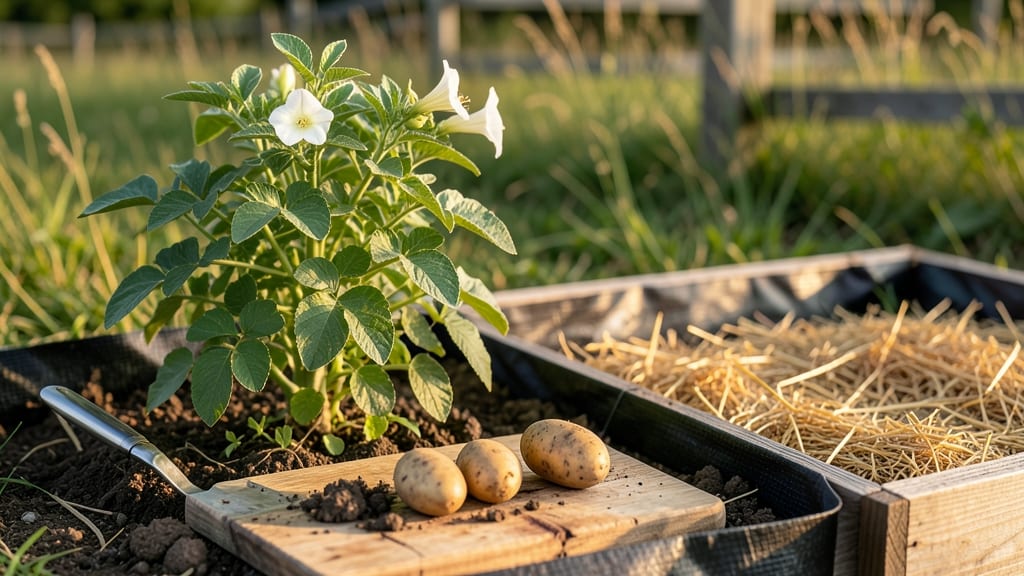
Planting potatoes in Florida isn’t just about timing—it’s about outsmarting the heat to avoid that dreaded bolting (when your plants flower instead of producing tubers). The best time to plant 🥔 in Florida’s 8a-11 zones isn’t what you’d guess, and getting it wrong can mean wasted effort.
Most gardeners assume spring is the only window, but Florida’s long growing season lets you plant twice a year—late February to early March for spring harvests and mid-August to early September for fall.
The key? Choosing heat-tolerant varieties like Yukon Gold or Red LaSoda and planting when soil temps stay below 75°F.
Why does this matter? Because Florida’s humidity and lack of frost mean traditional planting advice won’t work. I’ll break down the exact months to plant, how to prep soil for Florida’s clay-heavy earth, and which varieties thrive here—so you can skip the guesswork and dig up a bountiful harvest.
Ready to grow potatoes that actually produce? Let’s cut through the confusion and get you planting like a Florida pro—no bolting, no stress, just perfect spuds.
Florida’s ideal potato planting windows by month (with heat-tolerant variety pairings)
Florida’s warm climate makes potato planting tricky—too early, and you risk frost damage; too late, and heat stress triggers bolting. The sweet spot is September to March, when soil temps stay cool enough for tuber formation.
North Florida’s cooler winters (USDA Zones 8a-9a) allow earlier plantings than South Florida’s tropical Zone 10-11.
For spring harvests, aim for late February to early March—just as daytime highs hit 75°F—while fall plantings should start mid-August to early September to beat summer’s brutal heat. These windows align with Florida’s rainy/dry seasons, giving potatoes the consistent moisture they crave without drowning roots.
Each variety has unique heat tolerance—Yukon Gold and Red LaSoda handle Florida’s spring warmth better than traditional Russets, which bolt at 80°F+. For fall plantings, Sweetheart potatoes (small, round tubers) excel in shady conditions, while Kennebec resists disease pressure from Florida’s humidity.
Soil temperature is non-negotiable: potatoes need 55-65°F soil to form tubers. Use a soil thermometer—planting when temps dip below 50°F stunts growth, while 75°F+ triggers premature flowering. North Florida’s Panhandle region can plant 2 weeks earlier than Miami due to cooler microclimates.
Pro tip: Chit your seed potatoes (sprout them indoors) 4-6 weeks before planting to jumpstart growth. Place whole potatoes in a bright, cool spot (60-65°F) until 1-inch sprouts form—this gives you a 2-week head start on the growing season.
Mulch with straw or black plastic to stabilize soil temps. Straw keeps roots 5-10°F cooler in summer, while black plastic warms soil faster in spring. Both methods double your planting windows by creating microclimates tailored to potato needs.
✅ Key takeaway: Florida’s two ideal windows—spring (Feb-Mar) and fall (Aug-Sept)—align with soil temp thresholds and rainfall patterns. Pair the right variety with your microclimate (North vs. South FL) to avoid bolting and maximize tuber yield.
For container growing, use 5-gallon pots with moisture-retentive mix (50% peat, 30% compost, 20% perlite). Plant one seed potato per pot and place in partial shade during summer to prevent bolting. This method extends your planting window into late April and early October.
🌱 Remember: Florida’s long growing season means you can plant twice a year—spring for summer harvests and fall for winter storage. With the right varieties and timing, you’ll beat the heat and enjoy homegrown spuds year-round.
Florida’s ideal potato planting windows by month (with heat-tolerant variety pairings)
Florida’s unique climate—where winters are mild and summers are brutal—demands precise timing for potato success. Planting outside the ideal 60-day window risks bolting (premature flowering) or stunted growth. The key is aligning your planting with soil temperatures below 75°F and avoiding the peak summer heat that triggers stress.
North Florida’s cooler winters (USDA Zones 8a-9a) allow for two planting windows: late winter and early fall. South Florida (Zones 10a-11) skips winter planting entirely due to year-round warmth, focusing on fall plantings only. Let’s break down the best months and varieties for each region.
| Month | Planting Window | Ideal Variety | Soil Temp (°F) | Harvest Time |
|---|---|---|---|---|
| February | North FL only | Red LaSoda | 60-65°F | May-June |
| March | North & South FL | Yukon Gold | 65-70°F | June-July |
| August | South FL only | Purple Majesty | 70-75°F | October-Nov |
| September | North & South FL | Sweetheart | 68-72°F | November |
For North Florida gardeners, March is the gold standard—balancing cool soil with warming days. Plant Yukon Gold or Red LaSoda for creamy or waxy potatoes, respectively. South Florida’s August-September window is critical; Purple Majesty thrives here, resisting the 90°F+ heat better than traditional varieties.
Pro tip: Use a soil thermometer to confirm temps before planting. If soil hits 75°F+, delay until evening temps drop below 80°F. Shade cloth (30-50%) can buy you 2-3 extra weeks in borderline months like April or October.
Bolting is your biggest enemy in Florida. Heat stress + long daylight hours trigger premature flowering, turning your potatoes into bitter, inedible sprouts. The varieties listed above are heat-tolerant, but even they’ll bolt if planted in May or later.
Stick to the cool-season windows, and you’ll avoid this common pitfall.
Once you’ve nailed the timing, focus on well-draining soil and consistent moisture. Florida’s sandy soils need organic matter (compost or aged manure) to retain moisture without suffocating roots. Mulch with straw or grass clippings to keep soil temps stable and weeds at bay.