
Plants
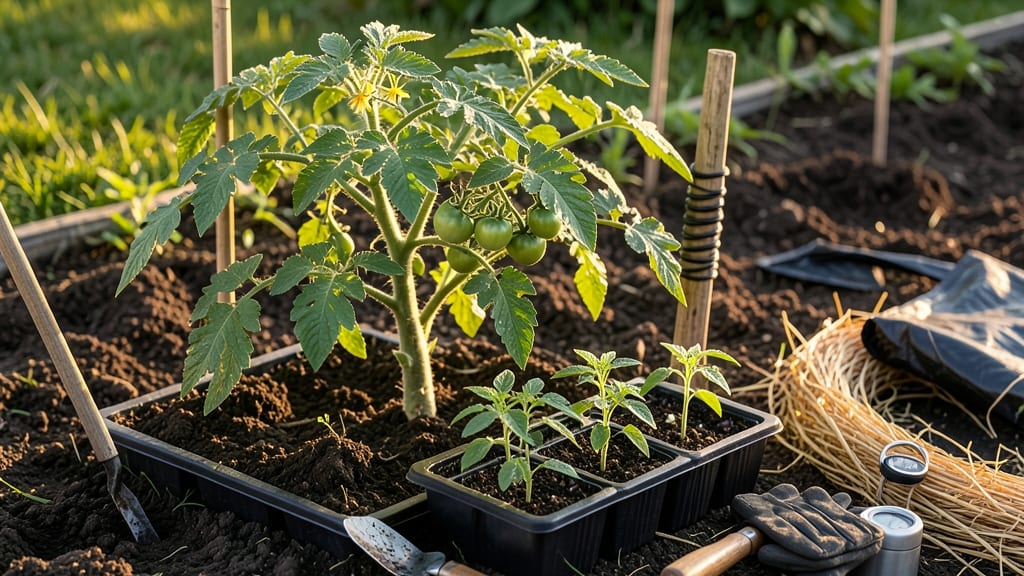
When should you plant tomatoes in Oklahoma isn't just about avoiding frost—it's about mastering the delicate dance between Oklahoma's unpredictable springs and brutal summers. A single late frost can turn your 🍅 seedlings into sad, blackened memories, while planting too late leaves you scrambling for harvests before fall's chill sets in.
If you're a gardener in Oklahoma's 6b-8a zones, you know the drill: soil temps matter more than calendar dates.
The key isn't just waiting for last frost (which varies wildly from mid-April in southern Oklahoma to early June in the panhandle)—it's about giving your tomatoes the perfect 60°F+ soil launchpad they crave.
Here's what you need to know: whether you're starting seeds indoors in March or transplanting hardened seedlings in May, the right timing can mean the difference between a garden bursting with juicy, vine-ripened tomatoes and a season of disappointment.
Let's break down the exact windows that work for your specific corner of the state.
From heat-tolerant varieties that thrive in Oklahoma's 90°F+ summers to clever tricks for extending your harvest into November, I'll show you how to turn Oklahoma's gardening challenges into your biggest harvest yet. Ready to plant with confidence?
Oklahoma’s frost dates and best tomato planting windows by region
Oklahoma’s diverse climate—from USDA Zones 6b to 8a—means your tomato planting timeline depends heavily on where you live. Northern Oklahoma (like Oklahoma City) has later frost dates, while Southern Oklahoma (such as Tulsa) enjoys warmer springs.
Understanding these microclimates helps you avoid frost damage and maximize your harvest.
For most of Oklahoma, the last spring frost typically occurs between mid-March and early April, but this shifts 2-3 weeks later in the northern panhandle. Fall frosts arrive mid-October to early November, giving you a 180-240 frost-free day window—plenty of time for two tomato plantings if you plan carefully.
Here’s the key: Plant your cool-season varieties (like Cherokee Purple) after the last frost, but heat-tolerant types (such as Heatmaster) can handle Oklahoma’s 90°F+ summers. Succession planting in late July also lets you squeeze in a fall harvest before frost.
If you’re in Zone 8a (like Lawton or Altus), you can push your spring planting even earlier—late February—for varieties like Celebrity or Better Boy. Just monitor soil temperatures; tomatoes need at least 60°F soil to germinate well.
For fall plantings, aim for 60-75 days before your first frost. In Northern Oklahoma, that’s late July, while Southern Oklahoma gardeners can wait until early August. Heat-tolerant varieties like Solar Fire perform best in these late-season plantings.
Pro tip: Use frost cloth or row covers to protect seedlings if an unexpected frost threatens. This buys you 2-3 extra weeks of planting time in cooler regions like Enid or Ponca City.
Oklahoma’s summer heat can stress tomatoes, so shade cloth (30-50%) during peak afternoon sun helps maintain fruit quality. Pair this with drip irrigation to keep roots cool and consistent.
Remember: Start seeds indoors 6-8 weeks before your last frost date if you’re growing from seed. This gives seedlings a head start before transplanting outdoors. For Southern Oklahoma, this means early February starts; for Northern Oklahoma, aim for mid-March.
By aligning your planting with Oklahoma’s microclimates and frost dates, you’ll avoid the heartbreak of lost plants and enjoy a longer harvest season—from June to November—with the right varieties and care.
Oklahoma’s frost dates and best tomato planting windows by region
Oklahoma’s diverse climate—from USDA Zone 6b in the north to Zone 8a in the south—means your tomato planting timeline should align with your specific region. The last spring frost typically arrives between mid-March and early April, while the first fall frost hits around mid-October to early November.
Timing is critical because tomatoes hate cold soil and need warm nights to thrive.
For spring planting, aim to transplant seedlings outdoors 2-3 weeks after your area’s last frost date. This gives young plants time to establish roots before summer’s intense heat.
In Northern Oklahoma (Zone 6b), this often means mid-to-late April, while Southern Oklahoma (Zone 8a) can start as early as early March in sheltered microclimates.
Oklahoma’s frost-free growing season ranges from 180 days in the north to 240 days in the south. This means gardeners in Zone 7a-8a can even squeeze in a late-summer planting for fall harvests. Just plant heat-tolerant varieties and expect harvests from late August through October.
| Region | Last Frost | Spring Planting Window | Fall Planting Window | Frost-Free Days |
|---|---|---|---|---|
| Northern OK (Zone 6b) | Mid-April | Late April - Early May | Late July - Early August | 180-200 days |
| Central OK (Zone 7a) | Early April | Early April - Mid-May | Mid-July - Late July | 200-220 days |
| Southern OK (Zone 8a) | Late March | Early March - Late May | Early July - Mid-August | 220-240 days |
Pro tip: Use row covers or black plastic mulch to warm soil faster in colder regions. This can shave off 1-2 weeks from your planting timeline. Always check soil temperature—it should be at least 60°F before planting for best germination.
For container gardening, start seedlings indoors 6-8 weeks before your last frost date. Containers warm up faster than garden beds, so you can plant 1-2 weeks earlier than in-ground tomatoes. Just ensure pots have drainage holes and use lightweight potting mix.
Remember, Oklahoma’s summer heat can stress tomatoes if planted too early. Wait until nighttime temps stay above 50°F consistently. This usually aligns with late May for spring plantings in most regions. For fall harvests, plant heat-tolerant varieties by late July to avoid early frosts.