
Plants
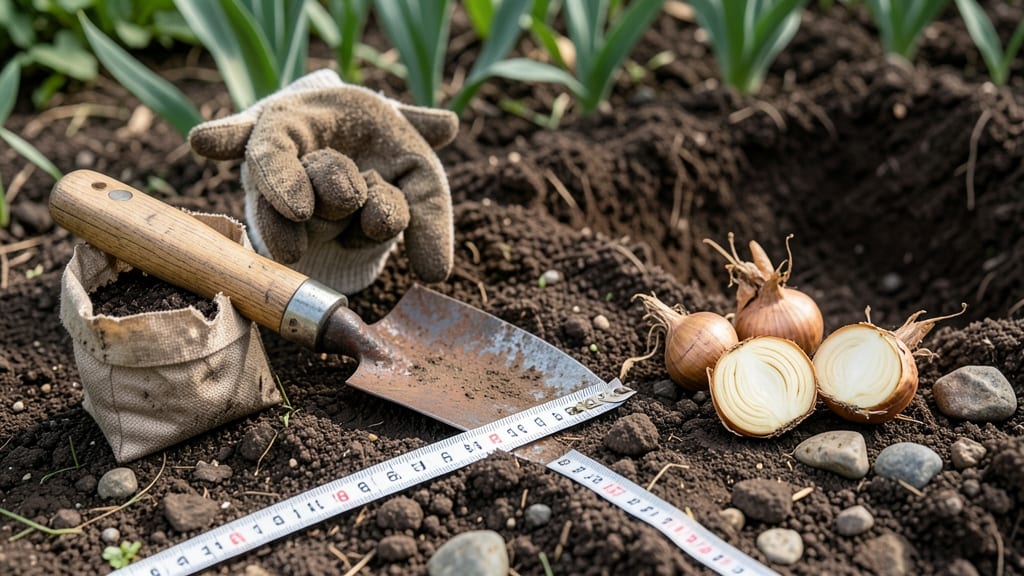
Planting your 🌷 tulip bulbs in the ground at the wrong time can mean the difference between a stunning spring garden and bulbs that never bloom. The key to success lies in timing—specifically, when soil temperatures drop and the ground becomes workable in USDA Zone 6a.
Most gardeners plant tulips between October and November, but getting it just right ensures your bulbs establish roots before winter sets in. Too early, and they’ll rot; too late, and they might not flower. I’ll show you exactly how to time it perfectly based on your local climate.
This isn’t just about picking a date—it’s about understanding soil triggers, like when temperatures hit that sweet spot of 40-50°F. Whether you’re in a cooler northern region or a milder southern zone, these insights will help you prepare your soil and plant with confidence.
Ready to transform your garden next spring? Let’s break down the science and steps so you can plant your tulips at the ideal moment—guaranteed to deliver those perfect blooms you’ve been dreaming of.
Optimal soil temperature for planting tulip bulbs: the science behind perfect timing
Planting tulip bulbs at the right time isn't just about the calendar—it's about soil temperature. Tulips need 40-50°F soil to trigger root growth before winter dormancy.
When soil hits this range, bulbs establish roots but stay dormant until spring warmth signals blooming. Miss this window, and you risk rot or failed blooms.
Most gardeners plant tulips in fall (September–November), but the exact timing depends on your USDA zone and local frost dates. In colder northern zones (3-6), aim for 6-8 weeks before the first hard frost. Southern zones (7-10) can plant later, even into December, since winters are milder.
Here’s how to test soil readiness without a fancy thermometer: Stick a meat thermometer 6 inches deep—if it reads 40-50°F, it’s time. No thermometer? Press your finger into the soil; if it feels cool but workable (like chilled mashed potatoes), your bulbs are ready.
In USDA Zone 6a (like much of the Midwest), I plant my tulips in late October when soil temps drop to 50°F. This gives roots time to anchor before winter.
If you’re in a warmer microclimate (e.g., near a heat-retaining wall), plant bulbs 2 weeks earlier to prevent premature sprouting.
Ever wondered why some tulips bloom better than others? The secret lies in chilling hours. Tulips need 12-16 weeks below 40°F to break dormancy.
Planting too early in mild winters (like Zone 7) can cause bulbs to sprout and rot before they’re ready to bloom. Late planting (after December) often means no flowers at all.
Pro tip: If your soil stays too warm (above 60°F) in fall, store bulbs in the fridge for 6-8 weeks before planting. This mimics winter chilling and tricks bulbs into thinking they’ve experienced a cold snap. I’ve used this trick in Zone 8 with great success!
Don’t let rainy fall weather delay your planting. Tulips hate soggy soil, but you can still plant as long as the ground isn’t waterlogged. Amend clay soil with compost or sand to improve drainage. In areas with heavy rainfall, consider raised beds for better control over moisture.
One common mistake? Planting tulips too deep because the soil feels cold. Remember: 6 inches deep is ideal for most varieties, but dwarf tulips only need 4 inches. Depth affects bloom time—shallower planting can bring flowers 1-2 weeks earlier, which is handy if you’re eager for spring color.
For gardeners in high-altitude areas (like Denver or Aspen), adjust your timeline 2-3 weeks earlier than your zone suggests. Cooler nights at elevation can push soil temps down faster, so monitor conditions closely. A soil thermometer is your best friend here!
Optimal soil temperature for planting tulip bulbs: the science behind perfect timing
Planting tulip bulbs at the right time isn’t just about the calendar—it’s all about soil temperature. When the ground cools to between 40°F and 50°F, your bulbs get the green light to start rooting.
This window typically falls in late September to November in most U.S. regions, but climate zones shift those dates dramatically.
Northern gardeners (USDA Zones 3-5) should aim for mid-September to early October, while Southern growers (Zones 7-9) can wait until November. The key is planting 6-8 weeks before the first hard frost—this gives roots time to establish but keeps bulbs dormant until spring.
Too early, and they’ll sprout; too late, and they won’t bloom.
🌱 Pro Tip: Use the paperclip test if you’re unsure. Stick a paperclip into the soil—when it bends easily, your soil is ready. This trick works without a thermometer and is foolproof for amateur gardeners.
| Zone | Ideal Planting Window | Soil Temp Trigger | Key Adjustment |
|---|---|---|---|
| 3-5 (Cold Climates) | Mid-Sept to Early Oct | 40-45°F | Plant early—shorter growing season |
| 6-8 (Temperate) | Late Sept to Nov | 45-50°F | Standard window—flexible timing |
| 9-11 (Warm Climates) | td style="padding: 8px; border-bottom: 1px solid #ffcc00;">Nov to Early Dec50-55°F | Wait until cooler temps—avoid heat stress |
In warmer climates, like California or Florida, tulips need a cooling period to bloom. If your soil stays above 55°F for too long, bulbs may rot. To trick them into dormancy, plant in shade or use mulch to lower soil temps. This mimics the natural winter chill they crave.
Even in cold zones, early planting isn’t always better. If the ground freezes before roots establish, bulbs won’t thrive. Wait until the soil is workable—you should be able to dig a trench without compacting the earth. This rule applies whether you’re in Minnesota or Montana.
For container gardeners, timing is equally critical. Plant bulbs in pots 4-6 weeks before your first frost, using a well-draining mix with perlite. Keep containers in a cool, dark place (like a garage) until spring. This mimics the ground’s natural insulation and prevents premature sprouting.
🌷 Remember: The 6-8 week rule before frost is your golden ticket to vibrant spring blooms. Whether you’re a beginner gardener or a seasoned pro, mastering this timing will transform your tulip show from "meh" to "wow!"