
Plants
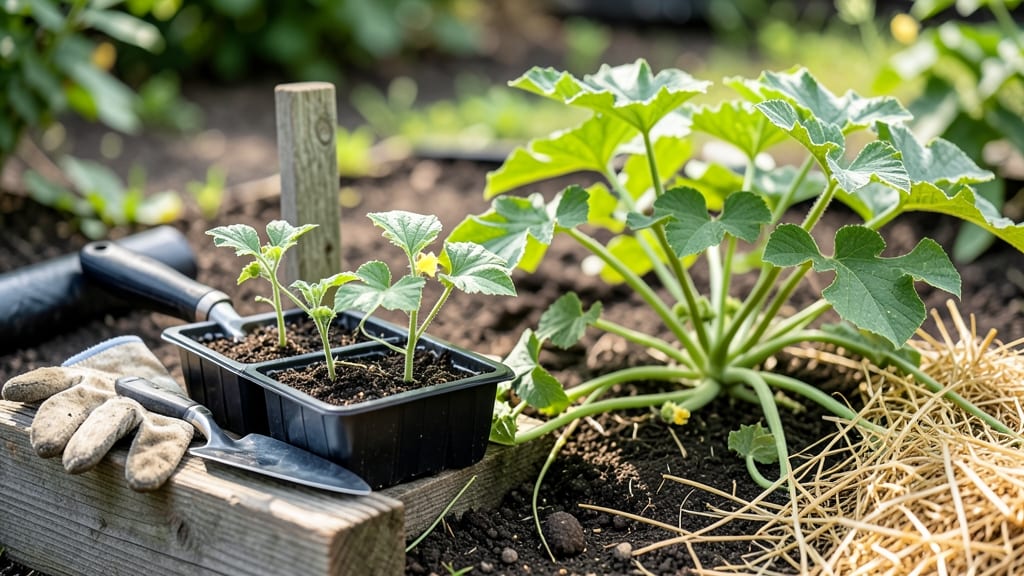
Planting watermelon in Florida isn’t just about picking a month—it’s about beating the heat and frost risks that can turn your 🍉 dreams into a flop.
If you time it wrong, you’ll either face stunted vines from early heat or wasted seeds when unexpected cold snaps hit (yes, they happen in 9a-11 zones too).
The key to success lies in Florida’s unique climate: spring and fall plantings offer two chances for sweet harvests, but each requires different strategies.
Whether you’re in North Florida’s cooler pockets or South Florida’s year-round warmth, knowing the exact window—like mid-February to late March for spring or September for fall—makes all the difference.
I’ve grown watermelons in Florida’s humidity and heat, and I’ll show you how to pick the perfect planting window, choose heat-tolerant varieties, and avoid common pitfalls like blossom-end rot. By the end, you’ll know exactly when to put those seeds in the ground for a bountiful harvest—without guessing.
Ready to turn your garden into a watermelon goldmine? Let’s dive into the science behind Florida’s two best planting seasons and how to maximize your yield, no matter where you are in the state.
Optimal Florida watermelon planting months by region (with heat-tolerant variety pairings)
Florida’s diverse climate means your watermelon planting window depends heavily on your region. North Florida’s cooler winters and Central Florida’s transitional zones create distinct timelines compared to South Florida’s tropical consistency. Understanding these differences ensures your melons thrive without frost or heat stress.
For North Florida (USDA Zones 8a-9a), like Jacksonville or Gainesville, aim for mid-March to early April planting. This timing aligns with soil warming to 70°F+ and avoids late-spring frost risks. Meanwhile, Central Florida (Zones 9a-9b), including Orlando and Tampa, can start as early as late February.
In South Florida (Zones 10a-11), where frost is rare, you can plant year-round, but peak seasons are February-March and September-October. The key is soil temperature—wait until it hits 70°F before sowing seeds directly or transplanting seedlings.
Heat-tolerant varieties are your best bet in Florida’s intense summers. For spring plantings, try 'Crimson Sweet' or 'Sugar Baby', which handle heat well. For fall harvests, 'Charleston Gray' or 'Black Diamond' excel in cooler temperatures.
Here’s a regional breakdown of planting windows, soil temperature triggers, and top varieties to maximize your watermelon yield:
Pro tip: Use black plastic mulch to raise soil temperatures by 5-10°F, accelerating germination and giving your seedlings a head start. This is especially useful in North and Central Florida where cooler springs delay planting.
For fall plantings, focus on September sowing in North Florida and October in South Florida. This timing avoids summer’s peak heat while still allowing melons to mature before cooler weather sets in. Just be prepared for shorter daylight hours, which may slow growth slightly.
Always monitor your local frost dates—even in Florida! While South Florida rarely sees frost, North Florida can experience light freezes in January or December. Planting too early risks stunted growth or seedling death.
🌱
5 Critical factors that determine your exact planting date in Florida (beyond calendar months)
Florida’s microclimates create dramatic differences between North, Central, and South regions—even within 100 miles. For example, Jacksonville (North) may still see light frost in March, while Miami (South) averages 80°F soil temps by February. Always check your local frost-free date (typically mid-February for most of Florida).
Soil temperature is your true planting trigger. Watermelon seeds need 70°F+ soil to germinate—colder soil causes rot and poor sprouting. Use a soil thermometer (or the back-of-hand test: if it feels warm to touch, it’s ready).
In North Florida, wait until late March; in South Florida, you can plant as early as mid-February.
🌡️ Critical Soil Temp Thresholds
| Zone | Minimum Soil Temp | Planting Window |
|---|---|---|
| North Florida (Panhandle) | 70°F+ | Late March–Early April |
| Central Florida (Orlando) | 68°F+ | Mid-February–Mid-March |
| South Florida (Miami) | 65°F+ | Mid-January–Early February |
*Use black plastic mulch to raise soil temps by 5–10°F if planting early.
Seedling maturity is another game-changer. Watermelons take 75–90 days to harvest, so if you plant in March, your fruit may overripe in July’s 90°F+ heat.
For a fall harvest, aim for September planting to finish by November. Use fast-maturing varieties like 'Sugar Baby' (70 days) if your season is short.
Florida’s humidity and pests (like cucumber beetles) demand early starts to avoid stress. If you wait until April, your plants may struggle with powdery mildew or blossom-end rot from inconsistent watering. Succession planting every 2 weeks in spring spreads out your harvest and reduces losses.
Finally, water availability affects timing. In drought-prone areas (like North Florida), delay planting until rainfall increases or invest in drip irrigation. Conversely, South Florida’s summer downpours can drown seedlings, so use raised beds for better drainage.
Always monitor soil moisture—watermelons need 1–2 inches per week but hate soggy roots.
Pro tip: Test your soil’s pH (ideal: 6.0–6.8) before planting. Florida’s sandy soils often need compost or aged manure to retain moisture and nutrients. Amend beds 2–3 weeks before sowing for best results. 🌱