
Plants
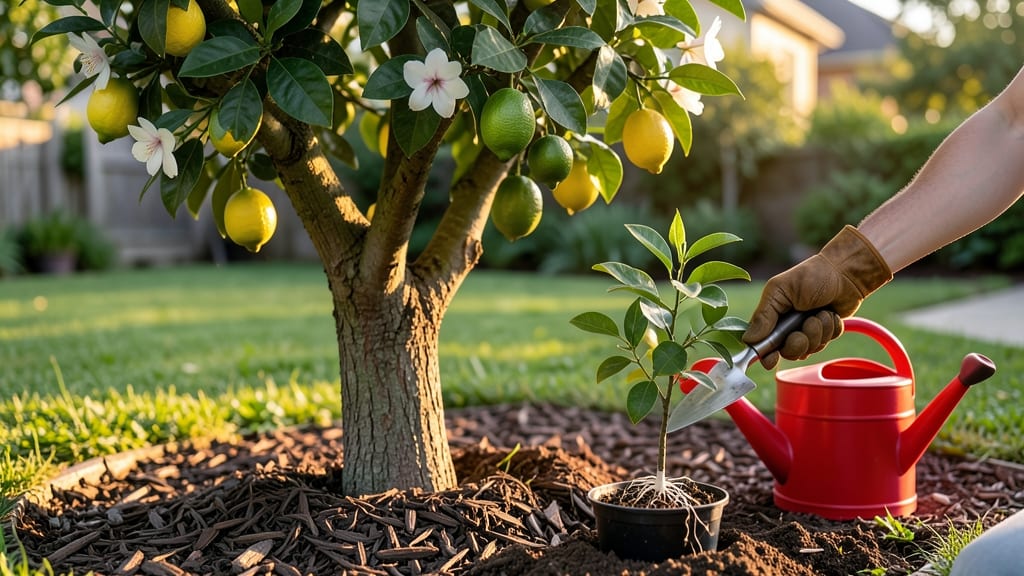
Planting a lemon tree 🍋 in California can be a game-changer for your backyard—if you time it right. The wrong season could mean struggling with frost damage or heat stress, especially if you're in inland areas where temperatures dip unexpectedly.
Whether you're near the coast or tucked in the Central Valley, knowing the best window makes all the difference.
Here’s the key: coastal regions like San Diego offer a year-round planting advantage, thanks to mild winters, while inland spots need to wait until after the last frost—usually by February or March.
I’ll break down exactly when to plant based on your local microclimate so you can avoid common pitfalls and set your tree up for success.
Beyond just the calendar, factors like soil temperature and humidity play a huge role. For example, inland areas in zones 8b-9a should plant in late winter to avoid early frost, while coastal zones 9b-10a can start as early as November.
Let’s dive into the details so you can pick the perfect moment for your lemon tree.
Once you’ve locked down the timing, I’ll share actionable steps for preparing your planting site—whether you’re going for a container or ground planting—and how to care for your tree post-planting. By the end, you’ll have everything you need to grow a thriving lemon tree that yields fruit year after year.
California’s best planting months for lemon trees by climate zone
California’s diverse climate means your lemon tree planting window depends heavily on where you live. Coastal areas like San Diego or Santa Barbara enjoy mild winters with no frost risk, while inland regions like Sacramento or Fresno face occasional chilly nights.
Understanding these differences ensures your tree thrives from day one.
Lemon trees (Citrus limon) are evergreen citrus that prefer warmth and consistent moisture. In California, the ideal planting months shift based on your USDA hardiness zone (9b-10a for coastal, 8b-9a inland). Planting at the right time minimizes transplant shock and maximizes root establishment before summer heat arrives.
🌱 Key Factors to Consider:
- Soil temperature (roots need 60°F+ to grow)
- Last frost date (coastal: none; inland: mid-January)
- Humidity levels (coastal areas stay damp; inland dries out faster)
- Microclimate variations (e.g., Los Angeles basins vs. Central Valley)
🌡️ Best Planting Months by California Climate Zone
| Zone | Ideal Planting Months | Soil Temp Requirement | Frost Risk | Notes |
|---|---|---|---|---|
| Coastal (9b-10a) | Year-round (best: February-March) | 60°F+ (always) | None | Mild winters; plant container-grown trees anytime. |
| Central Valley (8b-9a) | November-December (before frost) | 65°F+ (warm soil) | Low (Dec 15-Jan 15) | Use frost cloth if planting late. |
| Desert (9a-10a) | January-February | 70°F+ (hot soil) | None | Water deeply post-planting to avoid root rot. |
| Bay Area (9a) | February-March | 60°F+ | None | Foggy mornings; prune lightly after planting. |
For coastal California, February and March are the sweet spot—soil warms up, and the risk of heat stress is minimal. I’ve planted lemon trees in San Diego in late winter and seen them establish roots within 6-8 weeks with minimal care.
The key is to water deeply after planting and mulch heavily to retain moisture.
Inland areas like the Central Valley or High Desert should aim for November or December planting. This gives roots time to anchor before winter chill.
If you miss this window, wait until early spring (March) when soil temperatures rise above 65°F. Never plant in summer—the heat can burn young roots.
Pro tip: If you’re in a transition zone (e.g., Los Angeles basins), check your microclimate. Urban areas with heat islands may tolerate late winter planting, while cooler pockets near hills might need to wait until spring.
Use a soil thermometer to confirm 60°F+ soil temps before planting.
Container planting offers flexibility—you can plant year-round in coastal zones or move pots indoors if frost threatens. Just ensure your container has drainage holes and use a well-draining citrus mix. For ground planting, choose a sheltered spot (e.g., south-facing wall) to protect from cold winds.
Remember: Lemon trees hate soggy roots. Amend your soil with compost and perlite to improve drainage, especially in clay-heavy inland soils. In my Central Valley garden, I’ve seen lemon trees struggle in winter when planted in unamended native soil—always prep the site first!
🍋 Final Tip: If you’re unsure about your local frost risk, check the USDA Plant Hardiness Zone Map or ask your local Cooperative Extension office. They’ll provide hyper-local advice tailored to your specific microclimate.
California’s best planting months for lemon trees by climate zone
California’s diverse climate means lemon trees thrive year-round—but timing varies by region. Coastal areas like San Diego and Santa Barbara enjoy mild winters, while inland zones like Sacramento or Fresno face frost risks. Your local climate zone dictates the best window for planting to avoid stress or damage.
For coastal California (USDA Zones 9b-10a), the ideal planting months are February through April or November through December. These periods offer stable soil temperatures (above 60°F) and minimal frost risk.
Inland areas (Zones 8b-9a) should plant between November and February to capitalize on winter rains and avoid summer heat stress.
| Climate Zone | Best Planting Months | Soil Temp Requirement | Key Considerations |
|---|---|---|---|
| Coastal (San Diego, Santa Barbara) | Feb-Apr, Nov-Dec | 60°F+ (15°C+) | No frost risk; year-round planting possible |
| Central Valley (Sacramento, Fresno) | Nov-Feb | 55°F+ (13°C+) | Frost risk Dec-Jan; plant before first frost |
| Desert (Palm Springs, Riverside) | Oct-Nov, Feb-Mar | 65°F+ (18°C+) | Avoid summer planting; extreme heat stress |
If you’re in Southern California, you can plant lemon trees year-round thanks to frost-free winters. However, spring planting (March-April) gives young trees time to establish roots before summer’s heat. Inland areas should avoid planting after February, as summer heat can shock tender roots.
For container planting, timing is less critical—but still aim for cooler months (November-February) to reduce transplant shock. Containers dry out faster in summer, so watering consistency becomes even more critical during warmer months.
Pro tip: Check your local last frost date (via USDA Plant Hardiness Zone Map) and plant 4-6 weeks before if you’re in a frost-prone zone. This buffer ensures roots establish before winter chill sets in.
Remember, lemon trees are evergreen, meaning they grow year-round. Planting at the right time ensures they focus energy on root growth rather than fruit production, setting you up for a bountiful harvest in 2-3 years.