
Plants
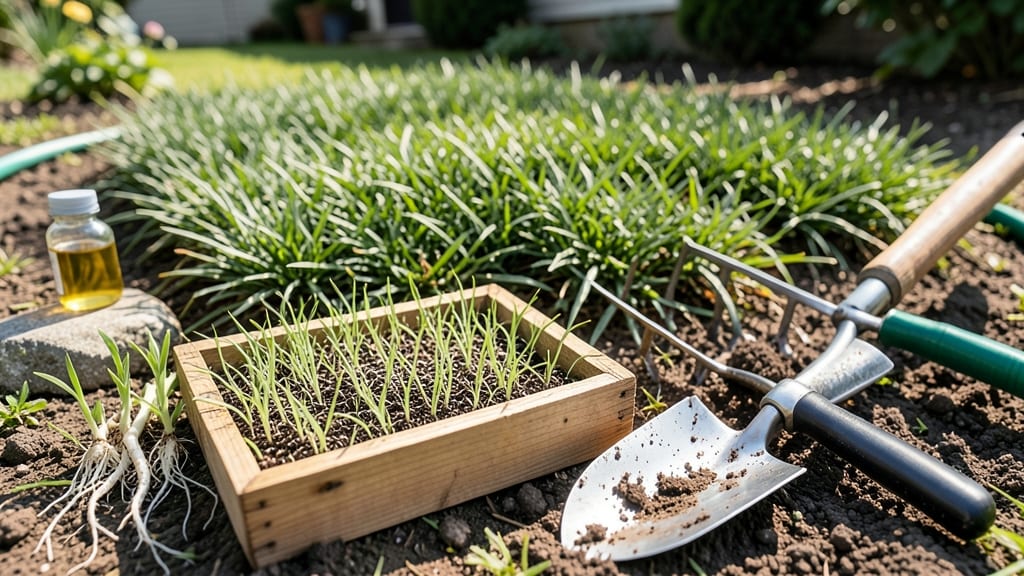
If you're dreaming of a lush, green lawn in Oklahoma, timing your Bermuda grass 🌱 planting could make or break your success. The best time isn't just about the calendar—it's about soil warmth, heat tolerance, and avoiding Oklahoma's infamous spring swings.
Plant too early, and your grass may struggle to germinate; too late, and weeds will steal the show.
Oklahoma's USDA zones 6b-8a mean your exact planting window depends on where you live, but the rule of thumb is simple: wait until the soil hits 70°F+—usually late April to early June for spring or August to early September for fall.
This isn't just guesswork; it's about giving your grass the heat it craves to thrive.
I've seen firsthand how a few weeks' difference can turn a thriving lawn into a battleground with weeds. The key? Understanding your local microclimate and preparing your soil like a pro.
Let me walk you through the exact steps to nail your planting window and set your Bermuda grass up for long-term success.
From testing soil temperatures to choosing the right variety for your Oklahoma heat, you'll learn how to plant with confidence—no more second-guessing. Ready to transform your yard? Let's get started.
Oklahoma’s Bermuda grass planting timeline: soil temperature rules & heat tolerance zones
Timing your Bermuda grass planting in Oklahoma isn’t just about avoiding frost—it’s about soil warmth and heat tolerance. This warm-season grass thrives when daytime temperatures consistently stay above 75°F, but the real secret lies in soil temperatures reaching at least 65°F for germination.
Plant too early, and your seeds will rot; too late, and weeds will outcompete your lawn.
Oklahoma’s USDA zones 6b-8a create micro-climates where northern regions (like Oklahoma City) have shorter growing seasons than southern areas (like Tulsa). The key is matching your planting window to your specific zone’s last frost date and heat tolerance patterns.
For most of Oklahoma, this means targeting late April to early June for spring planting.
Bermuda grass is a heat-loving grass that goes dormant in cold weather, so fall planting (August-September) is also viable in warmer southern regions. However, northern Oklahoma’s cooler autumns limit fall planting success.
Always check your local agricultural extension office for soil temperature maps—these are your best guide for precise timing.
🌱 Bermuda Grass Planting Rules for Oklahoma
| Factor | Northern OK (USDA 6b-7a) | Southern OK (USDA 7b-8a) |
|---|---|---|
| Last Frost Date | Mid-April | Early April |
| Ideal Planting Window | Late May - Early June | Late April - Early June |
| Soil Temperature Trigger | 70°F+ (consistent) | 65°F+ (minimum) |
| Fall Planting Window | Not recommended | August - Early September |
| Heat Tolerance | Moderate (goes dormant at 50°F) | High (stays green to 85°F+) |
| Weed Competition Risk | High (plant early) | Moderate (plant by June) |
One of the biggest mistakes I see is planting Bermuda grass too early in March or April when soil temperatures are still below 60°F. Seeds won’t germinate, and you’ll waste money on seed or sod that rots in the cold, damp ground.
Use a soil thermometer (just $10 at garden centers) to verify your soil is ready—probe it at 4-inch depth in full sun for the most accurate reading.
Southern Oklahoma gardeners have a slight advantage with their longer growing seasons. In areas like Lawton or Altus, you can push planting into early June and still get strong establishment before summer’s peak heat.
However, northern regions like Enid or Woodward should aim for late May to avoid late-spring frosts that can damage young seedlings.
Another critical factor is daytime high temperatures. Bermuda grass needs consistent warmth to establish roots, so planting in June or July might seem tempting, but the intense Oklahoma sun can stress young plants.
Instead, focus on early morning watering (before 8 AM) to keep soil moisture stable during these hot months.
For those in transition zones (like Oklahoma City), consider spring vs. fall planting trade-offs. While fall planting is risky due to early frosts, it can work if you use shade cloth to protect young grass from temperature swings.
Always monitor your local National Weather Service forecasts for 10-day temperature trends—this is your best early warning for planting decisions.
Pro tip: If you’re planting Bermuda grass seed, aim for a 2-3 week window after your last frost date. For sod installation, you have slightly more flexibility (1-2 weeks), but still need warm soil for root establishment.
Both methods require consistent moisture—think of it like giving your lawn a drinking straw during Oklahoma’s dry spells.
Finally, remember that Bermuda grass is a spreader, not a clumper. Planting too late in the season means it won’t have time to fill in gaps before winter dormancy.
In Oklahoma’s climate, May is your golden month—balance soil warmth, heat tolerance, and weed competition to give your lawn the best possible start.
Oklahoma’s Bermuda grass planting timeline: soil temperature rules & heat tolerance zones
Bermuda grass thrives in Oklahoma’s heat, but timing your planting is everything. The soil temperature must reach at least 70°F for seeds to germinate properly.
In Oklahoma’s USDA zones 6b-8a, this typically means waiting until late April to early June for spring planting or August to early September for fall.
Northern Oklahoma (like Oklahoma City) may need to wait until mid-May, while southern regions (like Tulsa) can start as early as late April.
Bermuda grass is a warm-season grass, meaning it loves heat but despises cold. Planting too early—before the last frost date (usually mid-March)—can leave your grass vulnerable to fungal diseases and poor establishment.
Conversely, waiting too long risks weed competition and slower growth once summer arrives. The key is balancing soil warmth with air temperature trends.
🌱 Bermuda Grass Planting Timeline for Oklahoma
| Timeframe | Soil Temp | Risk if Planted | Best For |
|---|---|---|---|
| Late March - Early April | Below 60°F | Fungal issues, slow growth | Avoid |
| Mid-April - Early June | 70°F+ | Optimal germination | Spring planting |
| August - Early September | 75°F+ | Strong fall establishment | Fall planting |
| July - October | Above 80°F | Heat stress, drought risk | Avoid (unless using sod) |
Oklahoma’s micro-climates play a huge role in timing. For example, western Oklahoma (like Lawton) may experience earlier soil warming due to lower humidity, while eastern Oklahoma (like Muskogee) might need to wait until late May to avoid late spring frosts.
Use a soil thermometer ($10 at garden centers) to confirm your soil is ready—70°F at 4-inch depth is your green light.
If you’re planting Bermuda grass sod instead of seed, you have slightly more flexibility. Sod can be laid as long as the air temperature stays above 60°F for at least 7-10 days.
This means you might start 1-2 weeks earlier than with seed, but still avoid extreme heat (above 95°F) which can shock the roots. For sod, aim for late April to early June or late August to early September.
One Oklahoma-specific tip: If you’re in a drought-prone area (like much of western OK), prioritize deep watering during establishment. Bermuda grass is drought-tolerant once established, but young grass needs 1-1.5 inches of water per week to develop strong roots.
Use a rain gauge or tuna can to measure—most Oklahoma gardeners under-water without realizing it!
Finally, don’t forget about shade cloth if your lawn has partial shade. Bermuda grass needs full sun, but young plants can benefit from 30% shade cloth during 100°F+ days to prevent heat stress.
Remove it after 2-3 weeks to encourage sun adaptation. With the right timing and care, your Bermuda grass will outcompete weeds and give you that lush, green Oklahoma lawn you’ve been dreaming of. 🌿