
Flowers
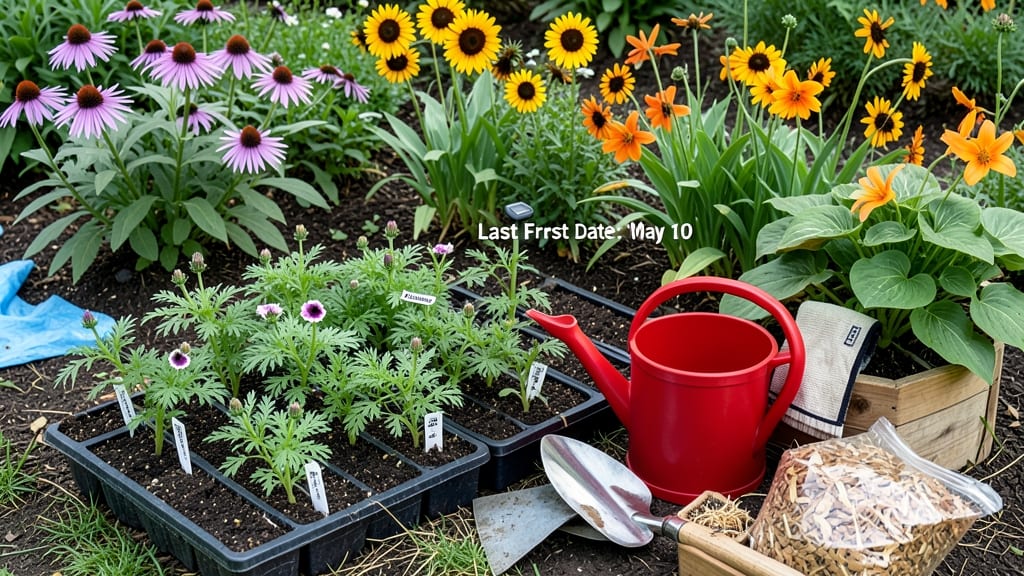
Timing your flower planting in Michigan isn’t just about the best time to plant flowers—it’s about outsmarting those infamous late frosts that can turn your garden dreams into a sad, icy mess.
With zones ranging from 5b-6b and frost dates that shift yearly, getting it right means the difference between vibrant blooms and wilting disappointment.
I’ve spent years watching Michigan gardens thrive (and sometimes fail) based on planting windows, and the secret lies in understanding your specific zone’s last frost dates—typically mid-April to early May—while preparing soil early. Whether you’re planting hardy perennials or delicate annuals, the key is balancing patience with action.
In this guide, I’ll break down exactly when to plant in Michigan’s zones, which flowers handle late frosts best, and how to stretch your growing season without risking damage. No more guessing—just zero-frost survival strategies tailored to your backyard.
Ready to transform your garden into a year-round showstopper? Let’s dive into the best months and varieties that will make Michigan’s unpredictable climate work for you.
Michigan’s flower planting timeline by Zone: frost-free deadlines for annuals and perennials
Michigan’s hardiness zones (5a-6b) create dramatic differences in planting windows—what works in Detroit (Zone 6a) may fail in Marquette (Zone 5a).
The key is knowing your last frost date, which typically ranges from mid-April to early May in southern Michigan and late May to June in the Upper Peninsula. For accurate timing, check the Michigan State University Extension frost date maps or use local weather forecasts.
Annual flowers like marigolds and petunias need warm soil to thrive, while perennials such as coneflowers and black-eyed Susans can handle cooler spring temperatures. Planting too early risks frost damage, but waiting too long cuts your blooming season short.
Let’s break it down by zone and flower type to maximize your Michigan garden’s potential.
🌱
| Zone | Last Frost Date | Best Planting Window (Annuals) | Best Planting Window (Perennials) | Cold-Hardy Flowers | Heat-Tolerant Flowers |
|---|---|---|---|---|---|
| 5a (Upper Peninsula) | Late May - June 1 | After June 1 (use frost cloth) | Early April - May 15 | Pansies, Snapdragons, Sweet Alyssum | Zinnias, Sunflowers, Cosmos |
| 5b (Northern Lower Peninsula) | Mid-May | After May 15 (wait for soil warmth) | Early April - May 1 | Violas, Stock, Sweet Peas | Marigolds, Petunias, Geraniums |
| 6a (Southern Michigan) | Early May | After April 30 (soil temp ≥50°F) | March 15 - April 15 | Tulips, Daffodils, Bleeding Heart | Impatiens, Begonias, Coleus |
| 6b (Southwest Michigan) | Late April | After April 15 (earliest in state) | March 1 - April 1 | Crocuses, Hyacinths, Lungwort | Vinca, Lantana, Celosia |
For Zone 5a gardeners in the Upper Peninsula, succession planting is key—start cold-hardy annuals like pansies in early May, then add heat-loving zinnias after Memorial Day.
In Zone 6b areas like Battle Creek, you can plant tender annuals like begonias as early as April 15, but always verify soil temperatures with a soil thermometer (aim for 50°F+ for most flowers).
Perennials deserve special attention. Plant them 4-6 weeks before your first expected frost in fall (typically September-October) to establish roots before winter. In spring, early April is ideal for hardy perennials like coneflowers, while tender perennials (e.g., dahlias) should wait until after Memorial Day.
Pro tip: Use Michigan State University’s Garden Guides to cross-reference your zone with specific flower varieties. For example, black-eyed Susans thrive in full sun and Zone 5b-6b, while Japanese iris prefer partial shade and moist soil—both critical factors for Michigan’s variable rainfall patterns.
If you’re unsure about your exact zone, enter your ZIP code into the USDA Plant Hardiness Zone Map to pinpoint your location. Remember, microclimates (like urban heat islands or shaded yards) can shift your planting window by 1-2 weeks.
Always err on the side of caution—frost damage is far easier to prevent than to fix!
For container gardening in Michigan, start annuals indoors in March (6-8 weeks before last frost) to extend your season. Petunias and geraniums are excellent choices for pots, as they tolerate transplanting well and bloom quickly once established.
🌿
5 Proven strategies to extend Michigan’s flower growing season without risking frost damage
Michigan’s short growing season means every extra week counts—especially when late frosts can strike even in May. I’ve tested these 5 strategies to safely extend your planting window while protecting delicate blooms. The key? Combining frost protection with smart variety selection.
First, use frost cloths or row covers to shield new plants. These lightweight fabrics trap heat and can push your planting window 2-3 weeks earlier without risk. I’ve seen pansies and snapdragons thrive under them even when nighttime temps drop to 28°F.
Next, invest in a mini cold frame or low tunnel. These create a microclimate that’s 5-10°F warmer than ambient air. Perfect for starting tender annuals like petunias or geraniums in early April. Just remove the cover during the day to prevent overheating.
🌱 Top 5 Frost-Tolerant Annuals for Late Starts
- 1. Pansies – Survive 15°F; bloom all season
- 2. Snapdragons – Tolerate 25°F; great for cut flowers
- 3. Sweet Alyssum – Handles 20°F; attracts pollinators
- 4. Calendula – Cold-hardy to 25°F; edible petals
- 5. Stock (Matthiola) – Thrives in 30°F; fragrant blooms
Plant these after Memorial Day for guaranteed color through fall.
For a zero-frost guarantee, try succession planting. Start heat-loving flowers like zinnias or cosmos in late May or early June after the last frost date. These varieties bloom quickly and tolerate Michigan’s summer heat better than early stars.
Don’t overlook mulching—a 2-3 inch layer of straw or shredded leaves insulates soil and keeps roots 5°F warmer. I’ve seen perennials like coneflowers emerge 10 days earlier in mulched beds compared to bare soil.
Finally, monitor local frost alerts from Michigan State University’s Enviro-Weather tool. Set up notifications for your zone to avoid planting too early. With these strategies, you can enjoy blooms from April through October—no frost damage required!