
Plants
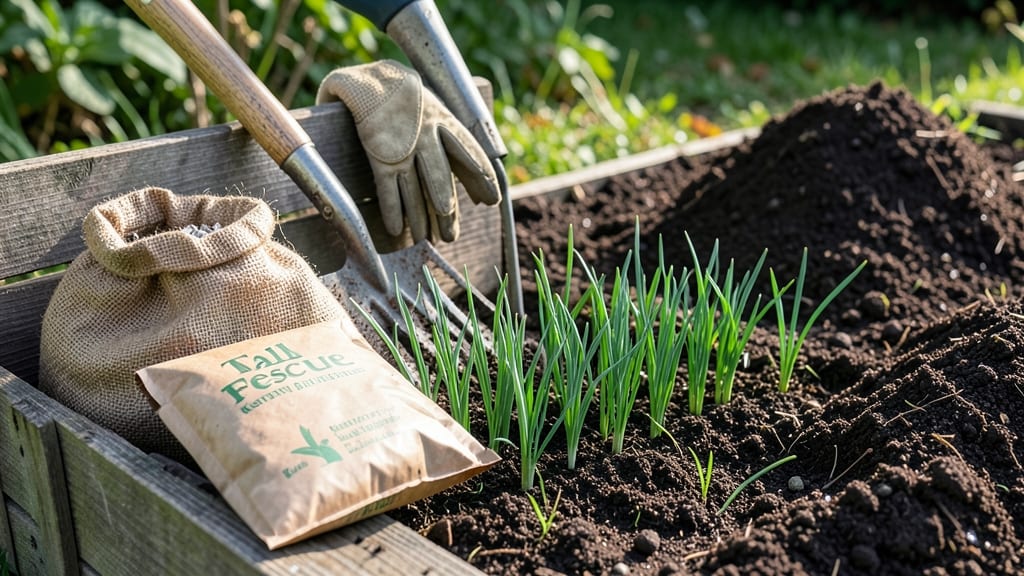
If you're asking "when is the best time to plant grass in the fall", the answer isn't one-size-fits-all—but here's the game-changer: 4-6 weeks before your first frost is your sweet spot. In USDA Zone 6a (like much of the Midwest), that means aiming for mid-September to early October.
Why does timing matter so much? Cool fall temperatures help grass roots establish before winter hits, while avoiding the heat stress of late summer planting. But miss this window, and you risk weak growth or even winter kill.
The key is balancing soil warmth and daylight—too early, and weeds take over; too late, and frost stunts your lawn's potential.
I'll break down exactly how to adjust for your specific grass type (cool-season vs. warm-season) and regional quirks. Whether you're planting Kentucky bluegrass or fescue, you'll learn how to read your local climate cues and prepare your soil for maximum success.
Let's dive into the best practices to ensure your fall grass planting thrives—no guesswork, just science-backed timing that works for your yard. Ready to transform your lawn next spring?
USDA Zone deadlines for fall grass planting by cool-season variety
Fall is your golden window for cool-season grass planting because mild temperatures and reduced weed competition give seeds the best chance to establish before winter. But timing isn’t one-size-fits-all—your USDA zone and grass type dictate the perfect moment.
Plant too early, and weeds will outcompete your seedlings. Too late, and frost can damage tender roots before they anchor.
Most cool-season grasses like Kentucky bluegrass, tall fescue, and perennial ryegrass thrive when planted 4-6 weeks before your first frost date. This gives roots 4-6 weeks of growth before dormancy kicks in.
For example, in Zone 5, aim for mid-September to early October, while Zone 8 gardeners can wait until late October to November.
Southern states (Zones 7-10) often have warmer falls, so oversowing warm-season grasses like Bermuda or Zoysia with cool-season varieties requires extra care. The key is to plant 6-8 weeks before frost to avoid winter kill.
Meanwhile, Northern gardeners (Zones 3-5) should prioritize early September planting to beat earlier frosts.
Soil temperature is your secret weapon—cool-season grass seeds germinate best when soil is between 50°F and 65°F. Use a soil thermometer to check before planting. If temps dip below 40°F, germination slows dramatically, leaving your lawn vulnerable to weed takeover.
Here’s how to align your planting with your zone and grass type for maximum success:
Pro tip: Northern gardeners in Zones 3-5 should prioritize Kentucky bluegrass or tall fescue—they establish roots quickly in cooler soils. Meanwhile, Southern gardeners (Zones 7-10) can extend planting into November for perennial ryegrass, but avoid overseeding Bermuda grass after October 15th to prevent winter damage.
Don’t let weed competition derail your lawn. If you notice crabgrass or dandelions popping up after planting, apply a pre-emergent herbicide in early spring. For shady lawns, fine fescue is your best bet—it tolerates 2-4 hours of shade daily.
One common mistake? Waiting until November to plant in Zones 3-6. By then, daylight hours shrink, and soil temps drop, slowing germination. If you must plant late, use a seed starter fertilizer to jumpstart growth and mulch lightly with straw to retain heat.
Remember: Cool-season grasses need 6-8 weeks of growth before winter dormancy. Check your local frost dates (use the USDA Plant Hardiness Zone Map), then count backward. For example, if your first frost is November 15th, plant by September 30th in Zone 5.
Timing this right ensures a dense, weed-free lawn next spring.
🌱
How to adjust planting time for warm-season grass oversowing in fall
If you have warm-season grasses like Bermuda or Zoysia and want to overseed with cool-season varieties, timing is critical. Plant too early, and new seeds will struggle in summer heat; too late, and they won’t establish before winter.
The key is a late-summer/early-fall transition that aligns with your grass type’s dormancy cycle.
For Bermuda grass, overseed 4-6 weeks before your first frost—typically mid-September in USDA zones 7-10. In colder zones (3-6), aim for late August to early September to avoid early frosts. Zoysia grass follows a similar window but can tolerate slightly later plantings since it’s hardier.
Test soil pH (ideal: 6.0-7.0). Add compost if needed and till 2-3 inches deep to loosen compacted soil.
Cut existing warm-season grass to 1-1.5 inches to reduce competition and improve seed-to-soil contact.
Use a drop or slit seeder for even distribution. Mix seeds with starter fertilizer (high phosphorus) for faster root growth.
Keep soil consistently moist for 2-3 weeks post-planting. Water early morning to prevent fungal growth.
Apply a thin layer of straw (¼ inch) to retain moisture and protect seeds from birds.
Raise mower blades to 3-4 inches once new grass reaches 3 inches to encourage root depth before winter.
Pro tip: If your region experiences early frosts, opt for annual ryegrass—it germinates faster and can handle cooler soils. For slower-growing tall fescue, plant 6-8 weeks before frost to ensure roots establish before dormancy.
Watch for weed competition in late fall. Apply a pre-emergent herbicide in early spring to prevent crabgrass and other weeds from outcompeting your new grass. Mulching with grass clippings can also suppress weeds naturally.
Remember, soil temperature is your best guide. Use a soil thermometer—ideal temps for cool-season grass seed germination are 50-65°F. If temps drop below 40°F, delay planting until conditions improve.
With the right timing and care, your overseeded lawn will outperform summer plantings by establishing deeper roots and greening up earlier in spring. 🌱