
Plants
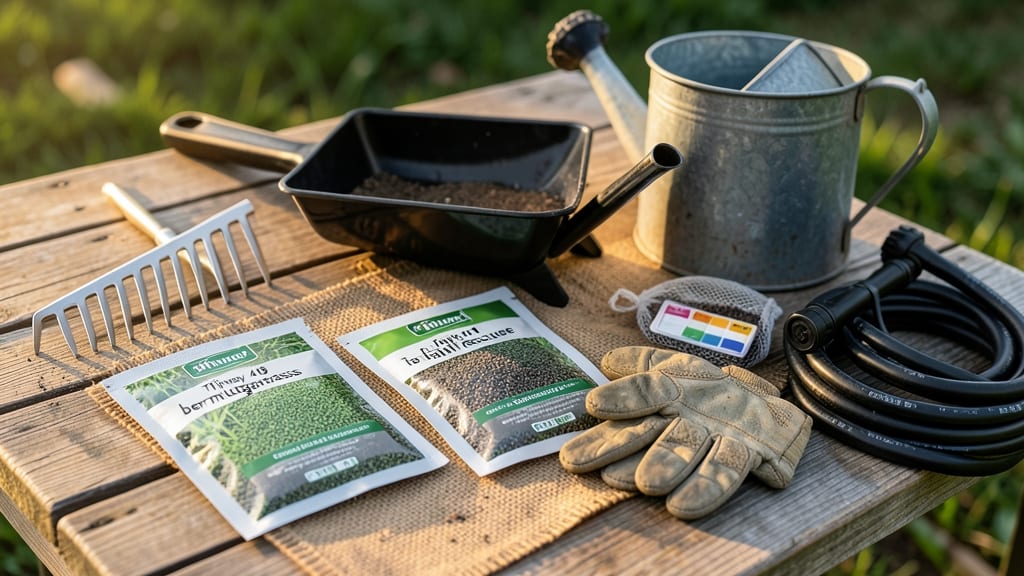
Planting grass seed in Georgia at the wrong time can mean months of patchy lawns and wasted money—but getting the timing right transforms your yard into a lush, green masterpiece.
The best time to plant isn’t just about the calendar; it’s about understanding how Georgia’s 7a-8b climate shifts between sweltering summers and unpredictable springs.
Most gardeners know spring and fall are ideal, but did you realize fall actually gives your grass a head start? Cooler temps and steady rainfall create perfect conditions for seed germination, while spring planting races against rising heat and drought risks.
I’ll break down the exact windows—plus how to prep your soil for maximum success.
Whether you’re seeding a new lawn or patching bare spots, the key is acting before the heat peaks or after summer’s brutal sun fades. Let’s cut through the guesswork and give you a timeline that works for Georgia’s unique zones—so you can enjoy that vibrant lawn all year.
From soil temperature checks to watering schedules, I’ll share the critical steps that separate a thriving lawn from a frustrating patchwork. Ready to plant with confidence? Let’s get started.
Georgia’s ideal grass seed planting windows: spring vs fall breakdown
If you’ve ever stared at a bag of grass seed wondering, "Should I plant now?" you’re not alone. Georgia’s climate—with its sweltering summers and unpredictable rainfall—makes timing critical for seed germination and long-term lawn health.
The two best windows are early spring and late summer/early fall, but each has unique advantages depending on your USDA zone (6a–8b) and regional microclimate.
In North Georgia (zones 6a–7a), cooler temperatures and higher elevation mean spring planting can start as early as mid-March, while Coastal Georgia (zones 7b–8b) often waits until late March or April to avoid late frosts.
Fall, however, is statistically the superior choice for 90% of Georgia gardeners—here’s why.
🌱 Did You Know? Fall-planted grass seeds establish roots before winter, giving them a 3-month head start in spring compared to spring-planted seeds.
While spring planting works, fall is the gold standard for Georgia lawns. The cooler temperatures reduce water stress, and steady rainfall in September–October keeps soil consistently moist. Plus, weeds are less aggressive in fall, giving your grass seed a cleaner competition-free start.
If you’re in North Georgia, aim for late August to mid-October. For Coastal Georgia, September to early November is ideal—just plant 4–6 weeks before your first frost (usually mid-November).
Pro tip: Use a soil thermometer to confirm temps are between 60–75°F—this is the sweet spot for 90% of grass seed varieties to germinate efficiently. If temps rise above 80°F, germination slows dramatically.
For spring planting, rush to finish by mid-May to avoid summer heat stress. Early spring (March) works best in higher elevations (e.g., Blue Ridge Mountains), while lower elevations (e.g., Savannah) should wait until late March or April to dodge late frosts.
Regardless of season, prep your soil 2–4 weeks before planting—this gives seeds the best chance to establish deep roots before Georgia’s intense heat or droughts hit. 🌿
Georgia’s ideal grass seed planting windows: spring vs fall breakdown
Georgia’s climate zones (7a-8b) create two prime windows for planting grass seed: early spring (March–April) and late summer/early fall (August–September). Both offer ideal conditions, but fall is statistically the better choice for 90% of Georgia gardeners due to cooler temps and steady rainfall.
Let’s break down why each season works—and which suits your region best.
Spring planting kicks off after the last frost date (mid-March), but it’s a race against rising heat. Seeds sown in March–early April benefit from warming soil and increasing daylight, but by May, temperatures often spike above 80°F, stressing young grass.
Fall, however, gives seeds 60–75°F soil temps and consistent moisture, reducing drought stress.
Coastal Georgia (zones 8a–8b) has a longer growing season, so fall planting can extend into October, while North Georgia (zones 6a–7a) should finish by mid-September to avoid early frosts. The key is acting 4–6 weeks before your first frost—this ensures roots establish before winter dormancy.
| Factor | Spring Planting (March–May) | Fall Planting (August–November) |
|---|---|---|
| Soil Temp | 55–70°F (varies by week) | 60–75°F (ideal for germination) |
| Rainfall | Unpredictable (drought risk by May) | Steady (September–October) |
| Weed Competition | High (weeds germinate early) | Low (weeds dormant in fall) |
| Best Grass Types | Tall Fescue, Ryegrass | Tall Fescue, Bermuda, Zoysia |
| Success Rate | 60–70% (heat stress risk) | 85–95% (optimal conditions) |
For North Georgia (Atlanta, Dahlonega), aim for late August–September to avoid summer’s brutal heat, while Coastal Georgia (Savannah, Brunswick) can plant as late as early November.
The difference? Coastal areas stay warmer longer, delaying frost. Always check your local frost dates—planting too late risks weak roots before winter.
Pro tip: Use a soil thermometer to confirm temps are 60–75°F before planting. Cool mornings and warm afternoons signal perfect conditions. If your soil runs hotter, wait—your seeds will thank you with faster, stronger germination.
Ready to pick your window? Fall wins for most Georgia lawns, but spring can work if you act fast and prep soil meticulously. Next, we’ll cover the non-negotiable conditions that separate thriving lawns from patchy failures—soil, moisture, and more.