
Plants
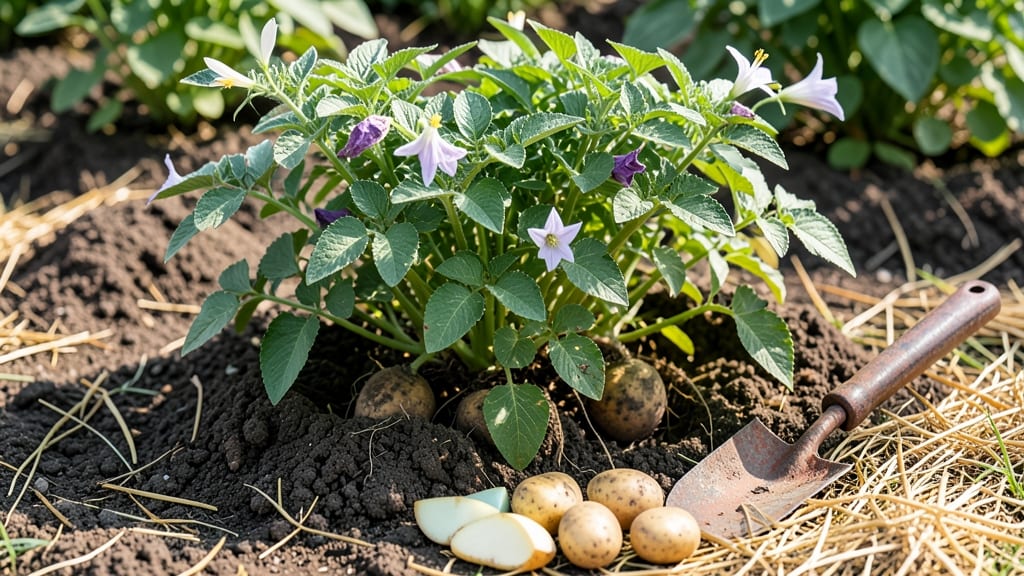
If you’ve ever planted potatoes in Ohio only to watch them rot in cold soil or struggle through late frosts, you’re not alone—but there’s a smarter way to time it.
The best time to plant potatoes in Ohio isn’t just about the calendar; it’s about waiting for that critical soil temperature of 45°F, typically landing in early to mid-spring when frost risks fade.
Ohio’s 6a climate zone means your neighbors’ planting schedule might not work for you, especially if you’re in northern Ohio where frost lingers longer. I’ll break down exactly when to plant—whether you’re in Columbus, Toledo, or Cincinnati—and how to check soil warmth without guessing.
You’ll also discover the top potato varieties for Ohio’s short growing season, plus pro tips to avoid common mistakes like planting too early or ignoring soil moisture. Let’s turn your potato patch from a gamble into a guaranteed harvest.
Ready to dig in? Here’s what you need to know before your seed potatoes even hit the dirt.
Ohio’s ideal potato planting timeline based on soil temperature and frost dates
Ohio’s variable spring weather can leave even experienced gardeners guessing about the perfect time to plant seed potatoes. Unlike many crops, potatoes thrive when planted in cool soil—not warm.
The last frost date is just one piece of the puzzle; soil temperature is the real game-changer for Ohio growers.
For most of Ohio (USDA Zone 5b–6a), the ideal planting window spans from late March to mid-April. However, this varies by region: Northern Ohio (like Toledo) may need to wait until early April, while Southern Ohio (like Cincinnati) can start as early as late March.
The key is planting when the soil temperature reaches 45°F (7°C) at a depth of 4 inches.
Here’s why timing matters: Planting too early in cold soil slows germination, making tubers vulnerable to rot and disease. Planting too late risks blight as temperatures rise. Ohio State University Extension recommends using a soil thermometer to confirm readiness—don’t rely on air temperature alone!
🌱 Pro Tip: If you’re eager to start earlier, consider container growing with heated seedling trays to jumpstart sprouts indoors before transplanting outdoors.
🥔 Ohio Potato Planting Timeline by Region
| Region | Last Frost Date | Ideal Planting Window | Soil Temp Threshold | Notes |
|---|---|---|---|---|
| Northern Ohio (Toledo) | Mid-April | Early to mid-April | 45°F (7°C) | Wait for soil to warm; risk of late frosts. |
| Central Ohio (Columbus) | Late April | Late March to early April | 45°F (7°C) | Urban areas may warm faster; test soil. |
| Southern Ohio (Cincinnati) | Early April | Late March | 45°F (7°C) | Warmer microclimates allow earlier starts. |
| All Regions | N/A | 2–4 weeks before last frost | 42°F (6°C) minimum | Adjust for microclimates (e.g., near lakes). |
To check your local frost dates, consult the Ohio State University Extension’s frost calendar or use the National Weather Service’s climate data. For example, Columbus averages its last frost around April 15, while Toledo often sees frost until May 1.
Planting 2–4 weeks before these dates gives potatoes enough time to establish roots before summer heat arrives.
Another critical factor is soil moisture. Potatoes need consistent moisture for tuber formation, but waterlogged soil causes rot. Aim for 1–2 inches of water per week, delivered in the morning to reduce fungal risks. Mulching with straw or grass clippings helps retain moisture and regulate soil temperature.
For container growing, use 5-gallon buckets or fabric grow bags filled with a mix of compost and perlite. Containers warm up faster than garden soil, so you can plant 1–2 weeks earlier than in-ground. Just ensure containers have drainage holes to prevent rot.
💧 Warning: Avoid planting potatoes in heavy clay soil without amendments. Ohio’s clay-heavy soils (common in the north) benefit from sand or compost to improve drainage and aeration.
Finally, if you’re growing late-season varieties, consider a second planting in early June for a fall harvest. Choose short-day varieties like ‘Kennebec’ or ‘Red LaSoda’ for this approach, as they mature faster in Ohio’s shorter fall days.
✂️ Key Takeaway: The perfect planting window in Ohio balances soil temperature (45°F+), frost risk, and variety maturity. Use a soil thermometer, adjust for your microclimate, and don’t rush—patience pays off with bigger, healthier tubers!
How to adjust planting time for Ohio’s microclimates and common mistakes to avoid
Ohio’s diverse geography means your potato planting window can vary by 50 miles. Urban areas like Columbus often warm up faster than rural zones, while lake-effect cooling near Erie delays spring. Even elevation changes of 100 feet can shift your ideal planting date by a week or more.
For example, gardeners in Toledo might plant as early as late March, while those in Athens should wait until mid-April. Always check local frost data—Ohio State University Extension provides county-specific averages that account for these microclimates.
🚨 CRITICAL: Ignoring these variations leads to blight risks or stunted growth. Use a soil thermometer ($15 at garden centers) to confirm 45°F soil temps before planting—never rely on air temperature alone.
⚠️ 3 Deadly Mistakes Ohio Gardeners Make
- Planting too early when soil is below 45°F → rotten seed potatoes and poor germination.
- Ignoring soil moisture after planting → dry soil cracks and exposed tubers (sunlight turns them green/toxic).
- Choosing wrong varieties for your zone → late blight (common in Ohio’s humid summers) ruins entire crops.
Pro Tip: Early varieties (e.g., 'Red LaSoda') tolerate cooler soils better than late varieties (e.g., 'Russet Burbank').
Another common error? Overcrowding plants to "save space." Potatoes need 12-15 inches between hills and 36 inches between rows. Crowding stresses plants, inviting potato scab and reducing yield by up to 40%.
If you’re in a microclimate hotspot (like a paved city lot), opt for container growing with black plastic mulch to warm soil faster. For cooler areas, use straw mulch to insulate tubers and extend harvest windows.
Finally, succession planting every 2 weeks after your initial date ensures a continuous harvest. In Ohio’s short season, this means 3 planting batches for most varieties—stagger them to avoid harvest glut or wasted potatoes.
🌱 Remember: Ohio’s climate is unpredictable, but with these adjustments, you’ll beat the odds and enjoy homegrown spuds from July to September.