
Companion Plants
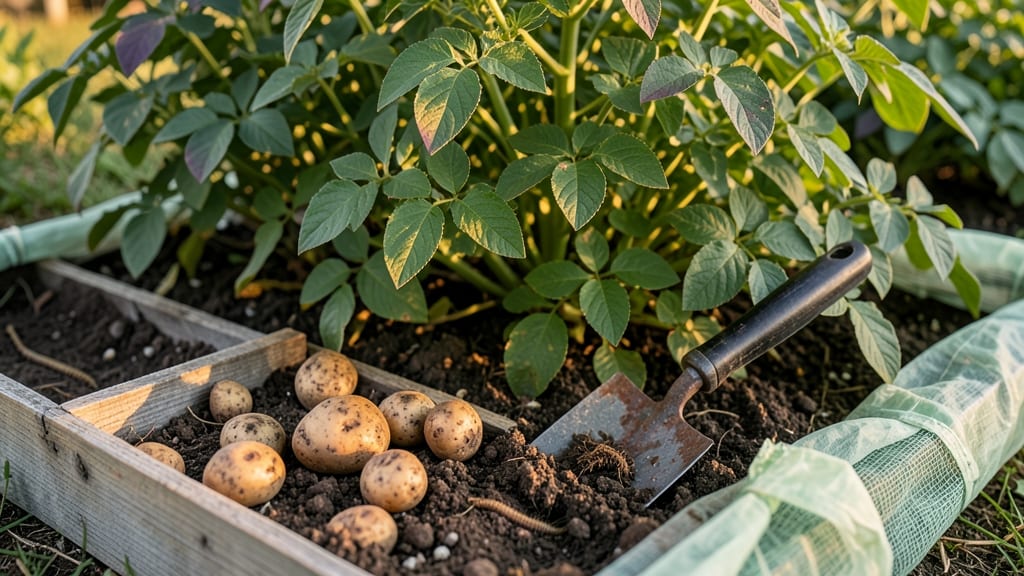
If you're wondering when to plant potatoes in Ohio, the answer isn't just about calendar dates—it's about soil temperature, frost risk, and variety choice. Ohio's 6a zone means timing can make or break your harvest, whether you're growing early spuds or late-season keepers.
Most gardeners assume March is the only window, but the truth is more nuanced. Planting too early when soil is still cold (45°F) can delay germination by weeks, while waiting too long risks missing the ideal 90-day growing window before frost.
The secret? Test your soil's readiness with a simple thermometer check.
I'll show you exactly when to plant based on Ohio's microclimates—whether you're in frost-prone northern regions or warmer southern areas. You'll learn how to adjust for early varieties (like Yukon Gold) that can handle light frosts, and when to hold off for late-season types that need every warm day possible.
By the end, you'll know the precise 2-4 week window before Ohio's last frost (around April 15) that gives potatoes the jumpstart they need. No more guessing—just data-driven planting for a harvest that'll put store-bought spuds to shame.
Ohio potato planting timeline based on soil temperature (not calendar dates)
Ohio’s diverse climate means your potato planting window varies by region—southern Ohio can start weeks earlier than northern areas. The golden rule? Plant when soil reaches 45-50°F, not just calendar dates. This ensures fast germination and avoids frost damage to tender sprouts.
Cold soil delays growth, while waiting too long risks late blight or stunted tubers. Use a soil thermometer to check—this is more reliable than guessing by date. For Ohio’s USDA Zone 6a, most gardeners aim for mid-March to early April, but your exact timing depends on microclimates.
Southern Ohio (e.g., Cincinnati, Columbus) often sees earlier frost-free dates (late March), while northern areas (e.g., Toledo, Cleveland) may wait until early April. Always plant 2-4 weeks before your last frost date—this gives tubers time to mature before summer heat sets in.
🌱
| Ohio Region | Optimal Planting Window | Soil Temp Trigger | Last Frost Date |
|---|---|---|---|
| Southern Ohio (e.g., Cincinnati) | Late February – Early March | 45-50°F | March 15 – April 1 |
| Central Ohio (e.g., Columbus) | Early March – Mid-March | 45-50°F | April 1 – April 15 |
| Northern Ohio (e.g., Cleveland) | Mid-March – Early April | 45-50°F | April 15 – May 1 |
| Appalachian Ohio (e.g., Athens) | Late February – Early March | 45-50°F | March 20 – April 5 |
For 2024 adjustments, check the Ohio Agricultural Research and Development Center for updated frost forecasts. If early planting fails due to cold snaps, have backup seed potatoes ready for a second planting in late April—this works well for late-maturing varieties like Yukon Gold or Kennebec.
Pro tip: Use black plastic mulch to warm soil faster in cooler regions. This can shave off 1-2 weeks from your planting timeline by raising soil temps by 5-10°F. Just remove it once tubers form to prevent overheating.
Northern Ohio gardeners should prioritize early-maturing varieties (e.g., Red Pontiac, Fingerlings) to avoid late blight risks. Southern Ohio can experiment with second crops in late June for a fall harvest, but only if soil temps stay mild.
🌡️
Test soil readiness by pressing your finger 3 inches deep. If it feels cool to the touch, wait a few days. Warm, crumbly soil is ideal. Pair this with a local weather app for 7-day forecasts—this combo beats guessing by date every time.
Remember: Potatoes hate cold feet. Planting too early in chilly soil leads to rotten sprouts or stunted growth. When in doubt, wait until soil hits 50°F consistently for 5-7 days—this ensures reliable germination across Ohio’s varied climate zones.
Ohio potato planting timeline based on soil temperature (not calendar dates)
Ohio’s variable climate means calendar dates alone won’t guarantee potato success. Instead, focus on soil temperature, which triggers germination. For Ohio, aim to plant when soil reaches 45-50°F—this usually falls between mid-March and early April in most regions.
Southern Ohio may start as early as late February, while northern areas should wait until mid-April to avoid frost damage.
Why soil temperature? Potatoes won’t sprout below 45°F, even if planted earlier. Cold soil can lead to rotten seed potatoes or stunted growth. Use a soil thermometer ($10 at garden centers) to check depth—plant only when readings are consistently warm enough for 2-3 weeks.
Ohio’s last average frost date varies by region:
- Southern Ohio (e.g., Cincinnati): April 15
- Central Ohio (e.g., Columbus): April 22
- Northern Ohio (e.g., Cleveland): May 1
Plant 2-4 weeks before these dates to ensure tubers mature before frost.
| Region | Optimal Planting Window | Soil Temp Trigger | Last Frost Date |
|---|---|---|---|
| Southern Ohio | Late February - Early March | 45-50°F (2-3 weeks stable) | April 15 |
| Central Ohio | Mid-March - Early April | 45-50°F (2-3 weeks stable) | April 22 |
| Northern Ohio | Late March - Mid-April | 45-50°F (2-3 weeks stable) | May 1 |
⚠️ Pro Tip: Check Old Farmer’s Almanac for your local frost dates and adjust by 2-4 weeks for planting.
For early varieties (e.g., Yukon Gold, Red Norland), you can plant as soon as soil warms, even if frost is still possible.
These mature in 60-90 days, giving them time to harvest before late-summer frosts. Late varieties (e.g., Russet) need warmer soil and longer growing seasons—wait until mid-April in most of Ohio.
If you’re unsure about soil temperature, use black plastic mulch to warm the soil faster. Lay it down 1-2 weeks before planting to create a microclimate that’s 5-10°F warmer than surrounding soil. This is especially helpful in northern Ohio where springs are cooler.
Remember: Potatoes hate cold soil but thrive in consistent warmth. Once planted, maintain soil temps above 50°F to avoid scab disease and ensure steady tuber growth. If a late frost hits after planting, cover seedlings with row fabric until danger passes.