
Trees
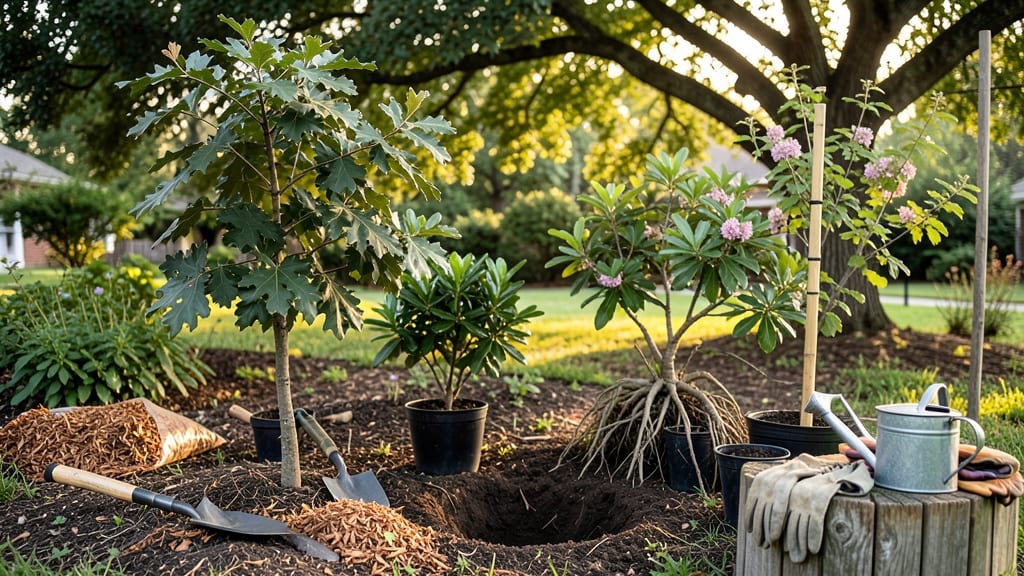
If you're wondering when is the best time to plant trees in North Texas, the answer isn't just about picking a month—it's about understanding your 🌳's needs and North Texas' unpredictable climate.
Planting at the wrong time can mean struggling with poor root growth, frost damage, or even losing your tree before it ever matures.
For North Texas gardeners in USDA Zone 8a, the ideal windows are fall (October–November) and early spring (February–March), when soil temperatures hover around 50°F—perfect for root establishment.
But timing isn't just about months; it's about avoiding extreme heat, drought stress, and our infamous late frosts that can sneak in as late as mid-March.
I'll break down exactly how to read your local microclimate, test soil warmth, and choose the right species for your yard—whether you're planting a 10-foot dwarf tree or a towering oak that'll shade your grandkids. Let's get your 🌳 off to the strongest start possible.
You'll also discover how to spot common mistakes (like planting too early or overwatering) and create a care plan tailored to North Texas' 210 frost-free days. Ready to plant with confidence? Let's dive in.
North Texas planting windows: best months by tree type (soil temperature guide)
North Texas gardeners know our unpredictable climate makes planting trees a high-stakes timing game. The USDA Zone 8a region offers two ideal windows: fall (October-November) and early spring (February-March). These periods align with soil temperatures between 50°F-60°F, perfect for root establishment before extreme heat or frost.
Fall planting gives roots a head start before winter dormancy, while spring planting avoids summer drought stress. Evergreens like Live Oak or Eastern Redbud thrive in both windows, but deciduous trees like Texas Red Oak prefer fall’s cooler soil.
Here’s how North Texas cities compare for planting timing:
| Planting Window | Ideal Soil Temp | Best For | North Texas Cities |
|---|---|---|---|
| Fall (Oct-Nov) | 50°F-60°F | Deciduous, Bare-Root Trees | Dallas, Fort Worth, DFW |
| Early Spring (Feb-Mar) | 55°F-65°F | Container-Grown, Evergreens | Waco, Abilene, Lubbock |
| Avoid | Below 40°F or Above 85°F | All Trees | All Regions |
For bare-root trees, fall is critical—they need 6-8 weeks to establish roots before winter. Container-grown trees adapt better to spring planting but require consistent watering as temperatures rise. In Dallas/Fort Worth, aim for late October (after first frost) or mid-February (before heat spikes).
Evergreen trees like Chinese Elm or Yaupon Holly can handle early spring planting because their roots grow slower in cooler soil. However, fast-growing species like Sycamore or Willow Oak need fall planting to avoid transplant shock during summer’s 100°F+ heat.
Local nurseries like Native American Seed or Texas A&M AgriLife recommend checking soil moisture before planting—North Texas’ caliche soil drains poorly when saturated. Amend with compost to improve aeration, especially in clay-heavy areas like Collin County.
Pro tip: Use a soil thermometer (available at Home Depot or Tractor Supply for ~$15) to confirm 50°F+ soil temps before planting. In Lubbock, wait until March 1 due to later frost risks, while East Texas can plant as early as September.
Remember: Tree size matters. Small trees (6-10 ft) establish faster than 40-ft oaks, so prioritize them for fall planting. Larger trees need extra root pruning and staking if planted in spring.
North Texas’ variable rainfall adds complexity—plant during dry spells to avoid waterlogged soil. Check NOAA forecasts for 7-day predictions before scheduling your planting day.
Finally, mulch heavily (3-4 inches) after planting to retain moisture and regulate soil temps. Use shredded bark or pine straw, keeping it 6 inches away from the trunk to prevent rot.
🌳
Critical factors that determine your planting timeline (beyond just months)
North Texas’s USDA Hardiness Zone 8a gives us a longer growing season than many regions, but local microclimates—like urban heat islands in Dallas or cooler hill country in Dripping Springs—can shift your ideal planting window by 2-4 weeks.
Even within the same zip code, a north-facing yard might stay 5°F cooler than a south-facing one, delaying root growth.
Most gardeners focus on months, but soil temperature is the real game-changer. Tree roots need soil to stay above 50°F for 7+ days to establish properly.
In North Texas, this typically happens by mid-February in most areas, but can vary by 10-14 days depending on whether you’re in Arlington’s urban heat or Cleburne’s cooler hills.
🌱Pro Tip: Use a soil thermometer (available at Local Nurseries like Horton’s or Home Depot for under $15) to check depth at 6 inches. If it’s below 50°F, wait—even if the air feels warm!
- 📍 Microclimate: Urban areas warm up 2-3 weeks earlier than rural zones.
- 🌡️ Soil Temp: Roots need 50°F+ for 7+ days—check with a thermometer!
- 🌳 Tree Type: Evergreens (like Live Oak) need cooler fall; deciduous (like Red Maple) thrive in early spring.
- 📅 Last Frost: North Texas averages March 15, but Dallas can be 10 days later.
- 💧 Water Access: Avoid planting when summer drought hits (May-July).
Another critical factor is the maturity stage of your tree. Bare-root trees (often sold in fall) need to be planted while dormant but before ground freezes—typically October-November. Meanwhile, container-grown trees can handle early spring planting because their roots are already established in soil.
Don’t overlook moisture availability either. Planting in late winter (February) gives roots time to establish before summer drought hits. If you’re in West Texas or Lubbock’s Zone 8a, prioritize fall planting to avoid 100°F+ soil in summer.
Finally, consider local weather patterns. North Texas is notorious for unpredictable spring rains—planting in March might mean soggy soil, while April could bring drought conditions. Use the National Weather Service’s 10-day forecast to pick a 2-week window with stable conditions.
✂️ Remember: The best time isn’t just about the calendar—it’s about soil warmth, tree type, and local microclimates. With these factors in mind, you’ll give your new tree the best shot at thriving in North Texas’s tough climate!