
Plants
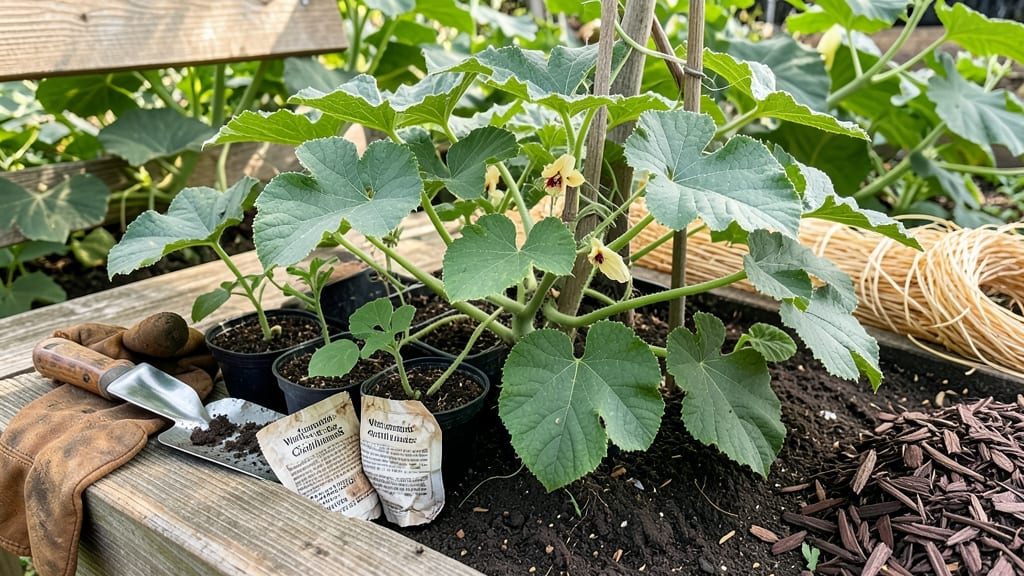
If you’ve ever planted watermelon in Texas only to watch your seedlings wilt under 100°F+ heat or freeze in a late spring frost, you know timing is everything.
The best time to plant watermelon in Texas isn’t just about avoiding frost—it’s about matching your schedule to the state’s brutal heat cycles, soil warmth, and regional microclimates.
I’ve grown watermelons in Texas for years, and the difference between a bountiful harvest and a failed patch often comes down to planting after Memorial Day in most areas.
But here’s the catch: Northern Texas gardeners need to wait even longer than Central or South Texas, where the growing season stretches into October.
In this guide, I’ll break down the exact month-by-month schedule for planting watermelons in Texas, including when to start seeds indoors vs. direct-sowing outdoors. You’ll also learn how to adjust for heat waves, choose the fastest-maturing varieties, and protect your plants from Texas’s most common growing pitfalls.
Whether you’re a beginner or a seasoned gardener, these Texas-specific tips will help you grow sweeter, juicier watermelons—without the guesswork. Let’s get started.
Texas watermelon planting schedule by month: ideal dates for heat-tolerant varieties
Timing is everything when growing watermelons in Texas, where the growing season can feel like a heat race against the clock. The key is planting when soil temperatures hit at least 70°F (21°C)—any earlier, and your seedlings will languish.
Texas spans multiple climate zones, so I’ll break down the best month-by-month schedule for North, Central, and South Texas to maximize your harvest.
For North Texas (Zones 7b-8a), like Dallas or Fort Worth, aim for late April to early May—after the average last frost date (typically March 15-April 15).
In Central Texas (Zones 8a-8b), such as Austin or San Antonio, you can start as early as mid-March for early varieties, but late April is safer for most gardeners. South Texas (Zones 9a-10a), including Houston and the Rio Grande Valley, offers the longest season, with planting windows stretching from February to early June.
Soil temperature is your best indicator—use a soil thermometer to confirm readiness. Watermelons won’t germinate well below 65°F (18°C), and cool soil can lead to damping off, a fungal disease that kills seedlings. If your soil is too cool, consider black plastic mulch to warm it faster or opt for fast-maturing varieties that can tolerate slightly cooler starts.
Here’s a month-by-month breakdown of ideal planting times, adjusted for Texas’s microclimates and heat tolerance needs:
| Region | Best Planting Month | Soil Temp Requirement | Variety Recommendation | Days to Maturity |
|---|---|---|---|---|
| North Texas (Dallas/Fort Worth) | Late April - Early May | 70°F+ (21°C+) | Sugar Baby or Crimson Sweet | 75-85 days |
| Central Texas (Austin/San Antonio) | Mid-March - Late April | 70°F+ (21°C+) | Black Diamond or Jubilee | 65-75 days |
| South Texas (Houston/RGV) | February - Early June | 65°F+ (18°C+) | Charleston Gray or Congo | 80-90 days |
| All Regions (Late Season) | June - Early July | 80°F+ (27°C+) | Yellow Doll (fast-maturing) | 60-70 days |
If you’re in North or Central Texas, I recommend starting seeds indoors 3-4 weeks before your target outdoor planting date to give seedlings a head start. Use biodegradable pots to avoid transplant shock when moving them outside.
For South Texas, you can often direct-sow seeds once soil warms up, but be prepared for bolting (rapid flowering) if temperatures spike too early.
For extended harvests, consider a succession planting strategy: plant a fast-maturing variety (like Yellow Doll) in late May or early June to enjoy melons before the fall frost hits. This works especially well in North Texas, where the growing season is shorter. Just
One critical mistake Texas gardeners make is planting too early in March, hoping for an early harvest. The risk? Late frosts can still hit in North and Central Texas as late as mid-April. Always check your local agricultural extension service for frost alerts and adjust your schedule accordingly. If you’re unsure, err on the side of planting later—watermelons can handle intense heat once established, but they won’t survive frost.
For organic gardeners, add compost or well-rotted manure to your planting beds before sowing. Watermelons are heavy feeders, so enriching the soil with phosphorus-rich amendments (like bone meal) encourages fruit development.
Pair this with a mulch layer of straw or grass clippings to retain moisture and suppress weeds—critical in Texas’s dry summers.
Finally, keep an eye on humidity levels. While watermelons love heat, high humidity (common in East and South Texas) can promote powdery mildew. Space plants adequately and water at the base (not overhead) to reduce fungal risks. With the right timing and care,
How to adjust your watermelon planting time for Texas microclimates and heat waves
Texas’s unpredictable weather—from late spring frosts to scorching summer heat waves—can turn watermelon planting into a high-stakes game. The key is flexibility: adjust your schedule based on your local microclimate and protect seedlings from extremes.
In North Texas, where frost risk lingers until mid-April, wait until soil reaches 70°F+ (use a soil thermometer!) before planting. In South Texas, where heat arrives early, opt for shade cloth or black plastic mulch to cool roots during May plantings.
Heat waves are the real villain for watermelons. If temperatures soar above 95°F, vines wilt and fruit turns bland. To beat the heat, plant fast-maturing varieties like 'Sugar Baby' (65 days) and use drip irrigation to keep roots cool. Water deeply in the early morning—never at night—to prevent fungal diseases. For late-season plantings in September, choose disease-resistant types like 'Charleston Gray' and apply mulch to retain moisture.
If your area hits 100°F+ for 3+ days, watermelons may stop growing or develop blossom-end rot. Pause fertilizing, provide shade cloth (30-50%), and water at soil level to avoid leaf scorch.
For urban gardeners in cities like Austin or Dallas, microclimates matter. A south-facing wall can warm soil 2-3 weeks earlier than open ground. Test soil in multiple spots—if one area stays cool longer, plant there first.
In East Texas, where humidity spikes, space vines 6 feet apart to improve airflow and reduce powdery mildew. Meanwhile, West Texas gardeners should focus on drought-tolerant varieties like 'Crimson Sweet' and irrigate only at the base to conserve water.
Extending the season is possible with seasonal adjustments. In North Texas, start seeds indoors in late March and transplant after the last frost date (typically April 15). For South Texas, fall plantings in August can yield melons before winter—just use row covers to protect from early chills. Always monitor 7-day forecasts; if a cold snap is predicted, cover seedlings with frost blankets or move pots indoors temporarily.
Fast-maturing varieties are your best friend in Texas. 'Black Diamond' (70 days) thrives in short seasons, while 'Yellow Doll' (75 days) handles late starts. Pair these with succession planting: sow a second round in mid-June for a fall harvest. Avoid slow growers like 'Moon and Stars' unless you’re in South Texas, where the growing season stretches into November.
Pro tip: Use a planting calendar tailored to your USDA Zone (6a-10a in Texas). For example, Zone 7 gardeners should aim for April 1-May 15, while Zone 9 can plant March 15-July 1. Adjust based on actual weather, not just averages. With these tweaks, you’ll dodge Texas’s worst weather pitfalls and enjoy homegrown watermelons from June to October. 🌱💧☀️