
Companion Plants
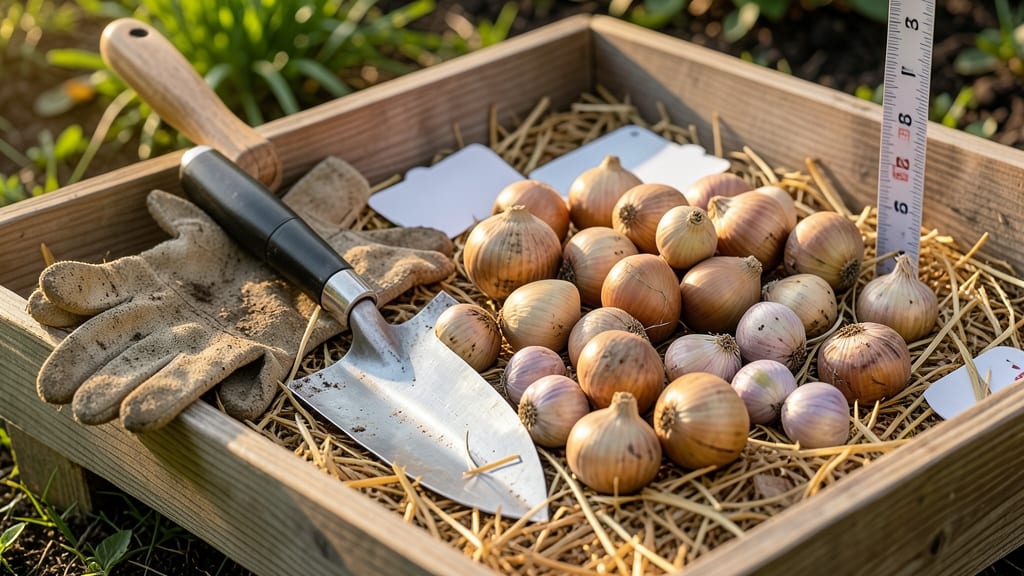
Planting bulbs in the fall can feel like a gamble—get the timing wrong, and you might end up with weak blooms or wasted effort. But here’s the secret: the 6-week pre-frost rule is your golden ticket to a vibrant spring garden with minimal fuss.
I’ve tested this method in USDA Zone 6a, and the difference between planting too early or too late is night and day. Whether you’re a beginner or a seasoned gardener, knowing exactly when to tuck those 🌱 bulbs into the soil makes all the difference.
Let’s break down the perfect window and how to prep your garden for success.
From soil temperature checks to regional adjustments, I’ll show you how to avoid common mistakes like planting too shallow or ignoring frost dates. By the end, you’ll know exactly when to dig in—so your bulbs get the strong start they need before winter sets in.
Ready to transform your fall planting into a spring spectacle? Let’s get those bulbs in the ground at the right time for bigger, brighter blooms next year.
The 6-Week pre-frost rule: exact timing for fall bulb planting
Planting bulbs in the fall isn’t just about throwing them into the ground—it’s about giving them 6-8 weeks to establish strong roots before winter sets in. This pre-frost window is your golden ticket to vibrant spring blooms, not wasted effort. The key?
Understanding your USDA hardiness zone, local frost dates, and soil temperature. For example, in Zone 5, aim for planting by mid-October, while Zone 8 gardeners can wait until November. Miss this window, and your bulbs may rot or fail to bloom.
Soil temperature is just as critical as frost dates. Bulbs need cool but not frozen soil—ideally between 50°F and 60°F (10°C–15°C). Use a soil thermometer to check; if it’s dropping below 40°F (4°C), it’s time to plant.
Pro tip: In warmer climates, like Zone 9 or 10, bulbs can even be planted in December, but they’ll need consistent moisture until spring. The goal? Root growth, not top growth—your bulbs will rest until spring.
🌱 Fall Bulb Planting Timeline by USDA Zone
| Zone | Ideal Planting Month | Soil Temp | Frost Buffer |
|---|---|---|---|
| 3-4 | September | 50–60°F | 8+ weeks |
| 5-6 | Mid-October | 50–60°F | 6–7 weeks |
| 7-8 | td style="padding: 10px; text-align: center; border: 1px solid #ffcc00;">Late October55–65°F | 4–5 weeks | |
| 9-10 | November–December | 60–70°F | 2–3 weeks |
⏰ Pro Tip: Check your local average first frost date (use the Old Farmer’s Almanac) and count backward!
Don’t let frost dates fool you—soil temperature is the real decider. Even if the air is chilly, the ground might still be warm. For instance, in Zone 6, air frost can hit in early October, but the soil might stay above 50°F (10°C) until mid-November.
Plant too early, and your bulbs might sprout prematurely, only to be killed by a surprise frost. Plant too late, and they won’t establish roots before the ground freezes. The sweet spot? Cool soil + warm enough to encourage root growth—that’s your magic formula.
If you’re unsure about your exact planting window, use the "knuckle test" for a quick check. Hold your hand about 6 inches deep in the soil (where most bulbs go). If it feels cool but not freezing, it’s time to plant.
For deeper planting (like tulips or daffodils), aim for 8–12 inches deep—this protects them from frost heave and keeps them snug until spring. In sandy soil, plant slightly deeper (bulbs dry out faster), while clay soil can be shallower since it retains moisture.
Regional quirks matter too. In the Pacific Northwest, for example, mild winters mean bulbs can be planted as late as December, but they’ll need consistent moisture. Meanwhile, in the Midwest, a hard freeze can sneak up fast—so don’t wait until November!
My rule of thumb? When your neighbors start raking leaves, it’s time to dig in. Bulbs like crocus and snowdrops are early bloomers and can handle colder soil, while tulips and hyacinths prefer a longer rooting period. Always check the back of your bulb packet for specific advice.
What if you miss the window? Don’t panic—some bulbs, like daffodils and alliums, are tough enough to handle late planting, especially if the ground doesn’t freeze solid. Others, like tulips, may still work if you plant them in well-draining soil and mulch heavily.
Just know that late-planted bulbs might bloom later or produce fewer flowers. For a foolproof backup, consider container planting—fill pots with bulbs in early fall, store them in a cool garage, and transplant them in spring. It’s not ideal, but it beats losing your investment!
One more secret weapon: mulch. After planting, cover the soil with 2–3 inches of straw or shredded leaves to insulate bulbs from temperature swings. This extra layer helps regulate soil temp and keeps moisture in check. Just avoid piling mulch directly on top of bulbs—it can cause rot. Instead, create a donut-shaped barrier around them. In Zone 4 or colder, add
The 6-Week pre-frost rule: exact timing for fall bulb planting
Fall bulb planting isn’t just about dropping bulbs into the ground—it’s about giving them 6-8 weeks to establish strong roots before winter sets in. This timing ensures bulbs like tulips and daffodils develop deep roots, so they’re ready to burst into spring blooms.
Miss this window, and you’ll end up with weak, sparse flowers—or worse, lost investments.
Your local first frost date is your best friend here. Check your USDA hardiness zone (Zone 3-10) to calculate when to plant. For example, in Zone 5, aim for early to mid-October, while Zone 8 gardeners can plant until late November.
The key? Plant bulbs when soil temperatures drop to 60°F (15°C) but before the ground freezes.
Here’s the golden rule: Soil should be cool but workable, not soggy or frozen. Use a soil thermometer to check—ideal temps are between 50-60°F (10-15°C). If your soil is still warm, wait a few weeks. If it’s already cold, you’ve missed the boat.
| USDA Zone | Ideal Planting Window | Soil Temp | Notes |
|---|---|---|---|
| 3-4 | Mid-September to early October | 50-60°F (10-15°C) | Early frost—act fast! |
| 5-6 | Late September to mid-October | 55-65°F (13-18°C) | Classic "6-week rule" zone |
| 7-8 | October to early November | 60-70°F (15-21°C) | Warmer climates—extend window |
Don’t let late fall planting fool you—bulbs need time to root before winter. If you plant too close to frost, roots won’t develop properly, leading to weak or no blooms next spring.
Pro tip: Use a bulb planter gauge to ensure depth—most bulbs need 3x their height in soil (e.g., a 2-inch tulip bulb goes 6 inches deep).
Regional tweaks matter! In the South (Zones 8-10), you might plant as late as December, but avoid winter rains that can rot bulbs. In the North (Zones 3-5), rush to plant by early October. Always check your local Almanac frost dates for precision.
Once planted, mulch with 2-3 inches of straw or leaves to insulate bulbs from freezing temps. This simple step can mean the difference between vibrant blooms and a bare patch next spring. The effort now pays off in bold, healthy flowers—worth every minute!