
Companion Plants
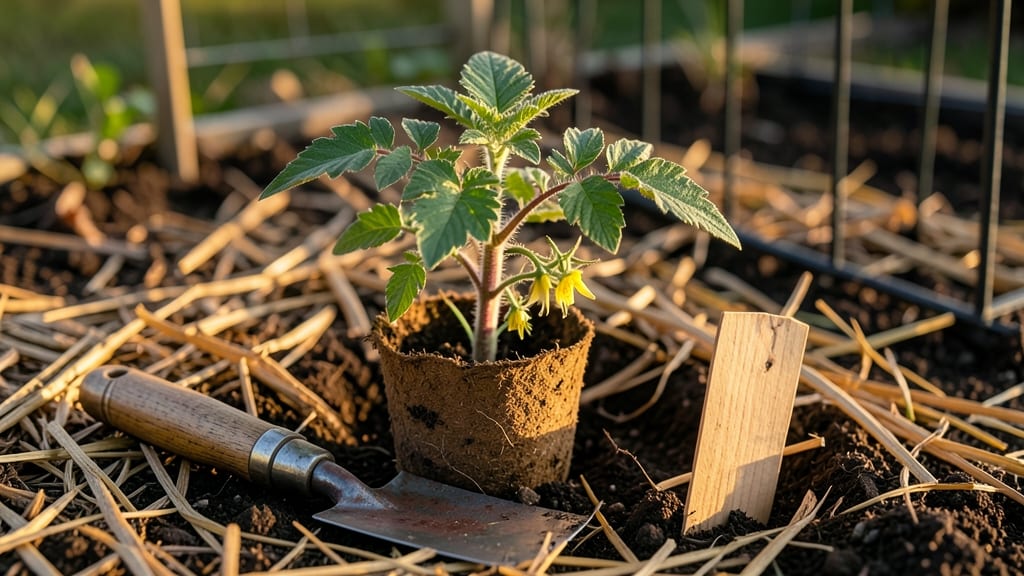
Timing when should I plant tomatoes in Illinois can make or break your harvest—get it wrong, and you might end up with sad, stunted plants or worse, bolting before you even taste that first ripe fruit.
Most gardeners in USDA zones 5b-6b wait until after the last frost, but that’s just the start. The real secret lies in soil temperature—waiting until it hits 60°F ensures strong roots and healthy growth, not just survival.
In this guide, I’ll break down the exact window (April 15–May 15 for most of the state) and how to prep your soil for success, so you can avoid common mistakes and enjoy a bumper crop from July through October.
Ready to plant with confidence? Let’s dive into the science-backed strategies that’ll have your tomatoes thriving—not just surviving.
Illinois frost-free dates & soil temperature requirements for tomato planting
Timing your tomato planting in Illinois hinges on two critical factors: last frost dates and soil temperatures. Northern Illinois (USDA zones 5a-5b) typically sees its last frost around April 15-20, while Southern Illinois (zones 6a-6b) warms up 2-3 weeks earlier.
Tomatoes thrive in soil between 55-65°F—any colder, and roots struggle to absorb nutrients.
Using a soil thermometer is non-negotiable. If your soil reads below 55°F, even after the last frost, your plants risk poor germination or bolting (premature flowering). In my Zone 5b garden, I’ve seen seedlings wilt within days when planted too early—despite warm air temperatures.
Illinois’ microclimates add complexity. Urban areas like Chicago often warm faster than rural farmland, while valleys retain cold air longer. Check local CoCoRaHS weather stations or your county extension office for precise data—don’t rely on general averages.
Pro tip: Warm your soil faster by covering beds with black plastic mulch 1-2 weeks before planting. This raises temperatures by 5-10°F and speeds up root establishment. I’ve added mulch as early as mid-April in my garden to create a head start.
🌱 Illinois Tomato Planting Timeline Comparison
| Region | Last Frost Date | Ideal Planting Window | Soil Temp Requirement | First Harvest |
|---|---|---|---|---|
| Northern IL (Zones 5a-5b) | April 15-20 | May 1-15 (after soil hits 60°F) | 55-65°F | July 15-August 1 |
| Central IL (Zones 5b-6a) | April 1-10 | April 25-May 10 | 55-65°F | July 1-August 15 |
| Southern IL (Zones 6a-6b) | March 20-April 5 | April 10-25 | 55-65°F | June 20-July 30 |
For fall planting, aim to set out transplants 60-70 days before your first frost (typically October 15 in Northern IL). This works best for determinate varieties like 'Roma' or 'Celebrity', which ripen faster. I’ve successfully grown tomatoes until mid-October using row covers to extend the season.
Watch for false springs—warm spells in March or April can fool you into planting early. Wait until nighttime temperatures stay above 50°F consistently for at least a week. In 2022, my early April planting failed when a 28°F dip hit in early May.
Use USDA Plant Hardiness Zone Map as a baseline, but local observations matter more. For example, Chicago’s urban heat island effect can push planting dates 1-2 weeks earlier than rural areas just 30 miles away. Always verify with 3 years of local records.
If your soil stays cold, consider container growing. Pots warm up faster and give you control over soil temperature. I’ve used black fabric grow bags filled with compost-rich mix to grow tomatoes in Zone 5b as early as mid-April.
Remember: Tomatoes hate cold feet. Even if air temps are warm, cool soil will stunt growth. Test your soil’s readiness with a soil thermometer—it’s the only way to get it right every time. 🌱
How to time your tomato planting for maximum yield in Illinois (step-by-step)
Timing your tomato planting in Illinois isn’t just about avoiding frost—it’s about creating the perfect conditions for healthy growth and high yields.
Since Illinois spans USDA zones 5b to 6b, your exact window depends on where you live, but these step-by-step strategies will help you nail it every time.
Start by planning for indoor seed starting if you want a head start. Most Illinois gardeners begin seeds 6-8 weeks before the last frost date (typically mid-April for Northern Illinois and early April for Southern regions). Use a grow light or sunny windowsill to ensure strong seedlings before transplanting.
Once your seedlings are 4-6 inches tall with 4-6 true leaves, they’re ready for the garden. But don’t rush—wait until soil temperatures hit at least 60°F (use a soil thermometer to confirm). Cold soil can stunt root growth and delay maturity.
Here’s my proven step-by-step