
Plants
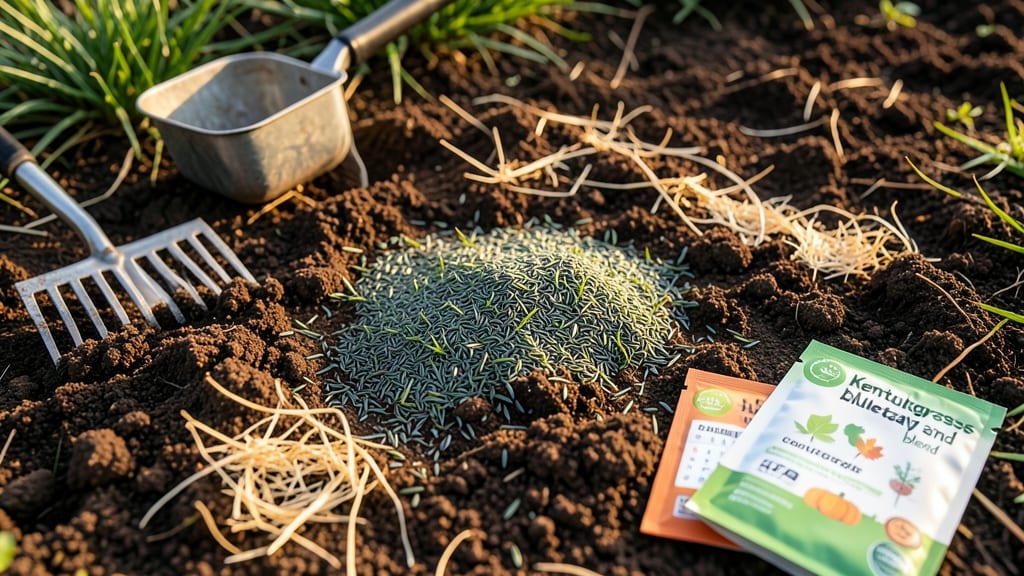
Planting grass seed in the fall is your golden ticket to a thicker, greener lawn next spring—but timing is everything. If you wait too late, frost will stall germination, while planting too early risks weed takeover and wasted seed.
The secret lies in that perfect window: 6-8 weeks before your first frost, when cool soil temps and fewer pests create ideal conditions for root growth.
For most of the U.S., that means mid-September through early October in USDA Zone 6a (like our default here), where first frost typically hits around October 15. But don’t guess—check your local frost date and count backward to pinpoint the exact moment your grass should hit the soil.
This isn’t just about avoiding frost; it’s about giving your 🌱 grass time to establish deep roots before winter sets in.
Why does this matter? Fall planting cuts weed competition, reduces watering needs, and lets your lawn wake up strong in spring.
I’ll walk you through how to prep your soil, choose the right seed mix, and even adjust for regional quirks—so you can skip the trial-and-error and get a lawn that’s the envy of the neighborhood.
Ready to transform your patchy yard into a vibrant carpet? Let’s break down the exact steps to plant your grass seed at the perfect moment—no more guesswork, just a lush, resilient lawn waiting for spring.
Optimal fall planting timeline: 6-8 weeks before first frost explained
Fall is the golden window for planting grass seed because cooler temperatures and increased rainfall create perfect conditions for germination and root growth. The ideal planting window is 6-8 weeks before your first frost date, allowing grass to establish deep roots before winter dormancy.
This timing also minimizes weed competition and reduces stress on young seedlings.
Why does this window matter? When you plant too early, summer heat can dry out seeds and soil, while planting too late risks frost damage before roots establish.
The 60-75°F soil temperature range in fall is ideal for grass seed germination, and cooler air temperatures reduce evaporation, keeping your new lawn hydrated naturally.
To determine your exact planting window, check your local first frost date (available through the USDA Plant Hardiness Zone Map or local weather services). For example, in USDA Zone 6, this typically means planting between late August and mid-October, but your mileage may vary based on regional microclimates.
Here’s what happens if you nail the timing: Grass seeds germinate in 7-21 days, and roots grow 3x faster in fall compared to spring. By winter, your lawn will have a strong root system ready to withstand cold and bounce back in spring.
| Stage | Action | Ideal Conditions |
|---|---|---|
| 6-8 Weeks Before Frost | Prepare soil, test pH, and loosen top 2-3 inches | Soil temp: 60-75°F, pH 6.0-7.5 |
| 4 Weeks Before Frost | Spread grass seed and top with ¼ inch of compost | Light rain or daily watering (½ inch) |
| 2 Weeks Before Frost | Reduce watering frequency as temps drop | Grass height: 2-3 inches, 60% coverage |
| After Frost | Apply light winter mulch (straw) for protection | Dormant but rooted; water bi-weekly |
Pro tip: Use a soil thermometer to monitor temperatures. Aim for 60-75°F at a 2-inch depth—this is the sweet spot for germination. If your soil runs cooler (common in northern climates), plant closer to late September or early October to avoid frost before roots take hold.
Another critical factor is weed competition. Fall planting gives grass a head start over weeds, which typically slow down as temperatures drop. However, if you notice weeds sprouting alongside your grass, hand-pull them immediately—they’ll steal nutrients and water from your young lawn.
For best results, pair your planting with a high-phosphorus starter fertilizer (like 10-0-10). Phosphorus encourages root development, which is your top priority in fall. Apply it at seeding time, following the package rates for your grass type (cool-season vs. warm-season).
Remember: The goal isn’t just a green lawn by winter—it’s a deep, resilient root system that will emerge stronger in spring. With the right timing, your fall-planted grass can outperform spring seedlings by up to 40% in density and vigor the following year.
Start your timer now! Check your local frost date and mark your calendar for 6-8 weeks out
Optimal fall planting timeline: 6-8 weeks before first frost explained
Fall seeding gives grass roots a 4-6 month head start before winter dormancy—critical for establishing a thick, drought-resistant lawn. The 6-8 week window before first frost balances cool soil temperatures (60-75°F) with reduced weed competition.
Plant too early, and weeds steal nutrients; too late, and frost stunts growth.
Your local first frost date is the anchor for timing. Check the USDA Plant Hardiness Zone Map—Zone 5-7 (northern US) typically seeds mid-September to early October, while Zone 8-10 (southern US) can extend until late November. For precision, use your local cooperative extension service for frost data.
Soil temperature matters more than air temperature. Aim for 50-65°F soil temps—use a soil thermometer to verify. If temps drop below 50°F, germination slows dramatically. In drought-prone areas, prioritize planting when rainfall averages 1 inch/week to avoid irrigation struggles.
🌱 Fall Grass Seed Timeline
| Stage | Action | Soil Temp |
|---|---|---|
| 6-8 Weeks Before Frost | Prepare soil, test pH, add compost | 60-75°F |
| 4 Weeks Before Frost | Seed, light mulch, daily water | 55-65°F |
| 2 Weeks Before Frost | Reduce watering, apply light fertilizer | 50-60°F |
| After Frost | Mulch heavily, reduce foot traffic | Below 50°F |
Cool fall temperatures reduce weed germination by 70% compared to spring planting. Weeds like crabgrass need warm soil (>55°F) to sprout—fall’s cooler soil gives your grass a competitive edge. Additionally, shorter daylight hours trigger grass to focus on root development rather than top growth.
For northern climates (Zones 3-5), prioritize late September planting to avoid early frosts. In southern climates (Zones 8-10), October-November works best—just avoid planting when daytime highs exceed 85°F, as this stresses seedlings. Always mow higher (3-4 inches) after seeding to shade soil and retain moisture.
Pro tip: Overseed existing lawns in fall for instant results. Spread ½ lb of seed per 100 sqft on your current grass, then water deeply. This fills thin patches while leveraging fall’s ideal conditions for full coverage by spring.