
Plants
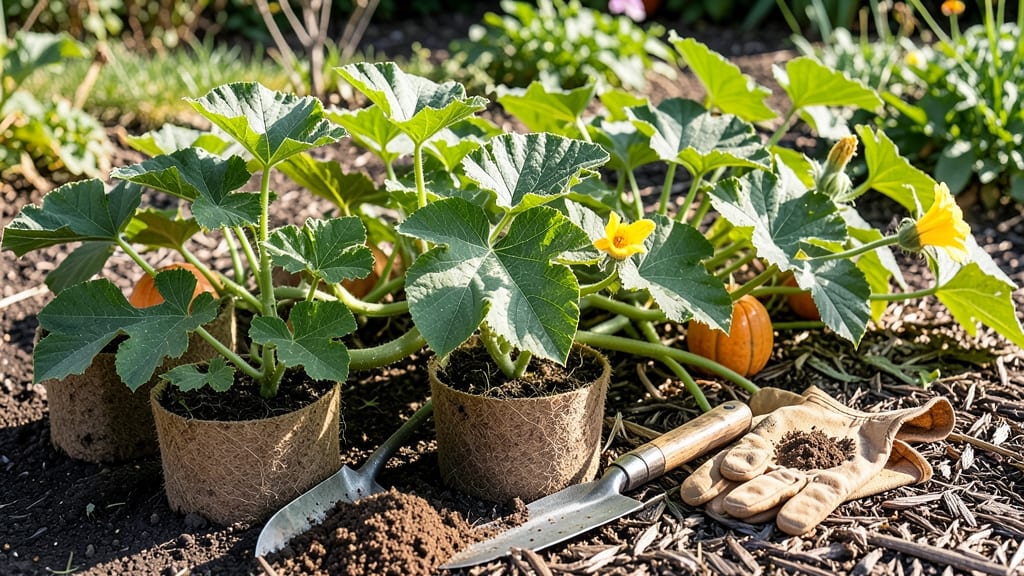
Planting pumpkins in Missouri isn't just about tossing seeds into the dirt and hoping for the best—it's about catching that perfect window when soil warmth and frost risk align for maximum success.
With the right timing, you could be staring at a bountiful harvest of 🎃 by October, but get it wrong, and you might end up with nothing but wilted vines.
Missouri's 5b-6b climate means your planting schedule should shift depending on whether you're in St. Louis, Kansas City, or a rural area. The key? Waiting until the soil hits at least 60°F—usually between mid-April and early June—when the last frost has faded from memory.
But how do you know when that magic moment arrives without guessing?
I’ll show you how to read your soil’s temperature cues, choose the fastest-germinating pumpkin varieties for Missouri, and avoid common pitfalls like planting too early or too late.
Whether you're starting seeds indoors or dropping them straight into the garden, these tricks will give your pumpkins the fast start they need to thrive.
Ready to turn your Missouri garden into a pumpkin powerhouse? Let’s dive into the exact steps to time your planting like a pro—so you’re not left with empty patches by harvest season.
Missouri pumpkin planting calendar: best months by region (St. louis vs. Kansas City vs. rural areas)
Missouri’s three distinct regions—St. Louis, Kansas City, and rural areas—each have unique frost patterns and soil warming speeds. Planting pumpkins too early in cooler northern zones risks frost damage, while waiting too long in warmer southern areas may shorten the growing season.
Let’s break down the best planting windows for each region to ensure your pumpkins thrive.
According to MU Extension, Missouri’s last spring frost typically occurs between April 15 and May 1, but rural areas in the north can experience late frosts well into mid-May.
Meanwhile, southern Missouri may see frost-free conditions as early as mid-April. These variations mean your planting timeline should adjust based on where you live.
🎃
| Region | Last Frost Date | Ideal Planting Window | Soil Temp Goal | Seed-Starting Indoors |
|---|---|---|---|---|
| St. Louis | April 20-May 1 | April 25-May 15 | 60°F+ | Start seeds indoors March 15-April 1 |
| Kansas City | April 25-May 5 | May 1-May 20 | 60°F+ | Start seeds indoors March 20-April 10 |
| Rural Northern MO | May 5-May 15 | May 15-June 1 | 60°F+ | Start seeds indoors March 25-April 15 |
| Southern MO | April 1-May 1 | April 10-May 10 | 60°F+ | Start seeds indoors March 1-April 1 |
Note: Adjust dates if your area experiences late frosts or unusually warm springs.
For direct sowing outdoors, wait until the soil temperature consistently stays above 60°F for at least a week. Use a soil thermometer to check—pumpkin seeds won’t germinate well in cooler soils.
If your soil is still chilly, opt for indoor seed starting 2-3 weeks before your region’s ideal outdoor planting window.
In St. Louis, where last frosts can linger into early May, I recommend starting seeds indoors by March 15 and transplanting seedlings outdoors after May 1. This gives your pumpkins a head start before summer heat arrives.
Meanwhile, in rural northern Missouri, where frosts can persist until mid-May, delay outdoor planting until May 15 or later to avoid frost damage.
If you’re in southern Missouri, you can plant pumpkins as early as April 10, but be prepared for potential pumpkin vine blight if humidity spikes early in the season. Always space your pumpkin plants 4-6 feet apart to allow for proper vine spread and airflow, reducing disease risk.
🌱
Missouri’s short growing season (about 165 frost-free days) means you’ll need to choose fast-maturing varieties (75-90 days to harvest) if planting later in the season. For example, ‘Jack Be Little’ matures in just 75 days, making it ideal for rural areas with later planting windows.
Always check the days-to-maturity label on your seed packets to align with your region’s frost dates.
Pro tip: Use black plastic mulch to warm the soil faster and extend your planting window by 1-2 weeks. This is especially helpful in Kansas City and northern Missouri, where soils can stay cool well into May.
Just lay the mulch down a week before planting to maximize soil warming effects.
Finally, keep an eye on your local extended weather forecast in early spring. If a late frost is predicted, consider using row covers or even a temporary greenhouse to protect young seedlings until the danger passes.
With the right timing and a little preparation, you’ll be carving pumpkins from your own Missouri garden by fall!
☀️
Soil temperature secrets: how to test and time pumpkin seeds for 100% germination
Pumpkin seeds need warm soil to germinate—60°F or warmer is your magic number. Cold soil slows growth, leading to weak seedlings or no sprouts at all. In Missouri’s unpredictable spring, waiting for the right temperature can mean the difference between a thriving patch and wasted seeds.
Use a soil thermometer ($10 at garden centers) to check depth. Insert it 2 inches deep in your planting spot—this is where seeds will be. If it reads below 60°F, hold off on planting.
Even a few degrees cooler can delay germination by 1-2 weeks, pushing your harvest too close to frost.
For a DIY solution, try the "elbow test." Press your inner elbow into the soil—if it feels too cold to hold comfortably, the soil’s too chilly for pumpkins. This trick works but isn’t as precise as a thermometer, so pair it with weather forecasts for accuracy.
Step-by-Step Soil Warmth Check
- 🌡️ Morning Check: Test soil temp at 8 AM for 3 days in a row.
- 📉 Wait for Consistency: If temps fluctuate below 60°F, delay planting.
- 🔥 Warm It Up: Use black plastic mulch 1-2 weeks before planting to raise soil temp by 5-10°F.
- ⏰ Plant Timing: Sow seeds when soil hits 60°F+ for 5+ days in a row.
- 🌱 Germination: Expect sprouts in 7-14 days if conditions are ideal.
Missouri’s northern regions (like Kansas City) often need to wait until late May for soil to warm, while southern areas (like Poplar Bluff) can plant as early as mid-April.
If your soil stays cold, consider starting seeds indoors 3-4 weeks before your target outdoor date—just be ready to harden off seedlings before transplanting.
Watch for black plastic mulch to speed up warming. Lay it down 2 weeks before planting to create a microclimate. This trick is especially useful in cooler microclimates, like shaded garden beds or early spring. Pair it with row covers for extra warmth if nights dip below 50°F.
If temps drop unexpectedly, cover newly planted seeds with a clear plastic dome or even a cut-open plastic bottle to trap heat. Remove it during the day to prevent overheating. This hack can buy you 1-2 extra weeks of growing time before frost.