
Planting
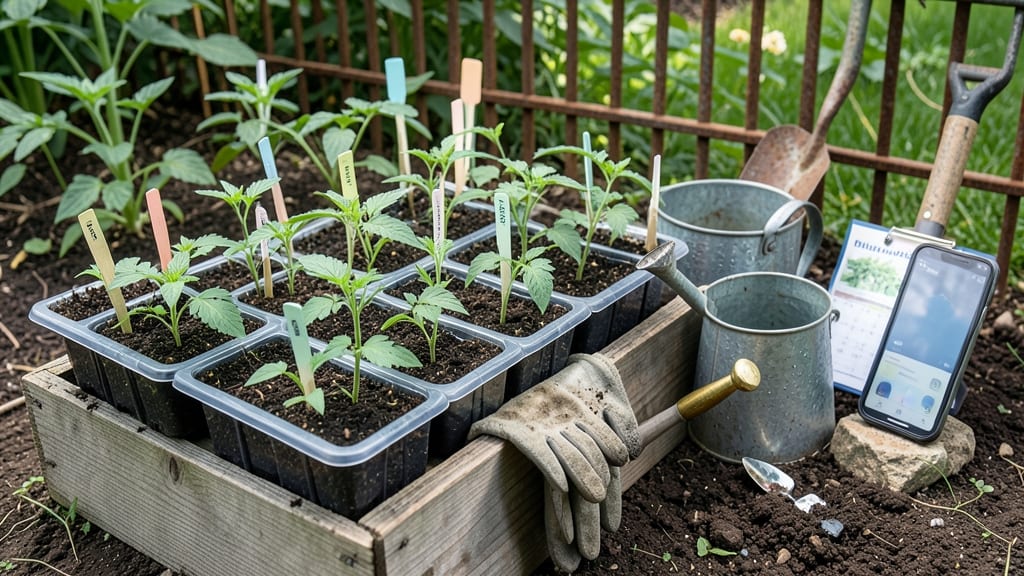
Timing your garden planting in Missouri wrong could mean the difference between a bountiful harvest and a sad pile of frost-nipped seedlings.
The perfect planting window—between March 15 and May 15 for spring, or August 1 to September 15 for fall—depends on your zone and the 🌱 General Garden Plants you’re growing.
Missouri’s 5b-6a zones bring their own challenges, from late spring freezes to early autumn chills. But with the right frost-date cheat sheet, you can outsmart Mother Nature and get your veggies, flowers, and herbs in the ground at the exact moment they’ll thrive. No more guessing games!
Whether you’re a first-time gardener or a seasoned green thumb, this guide will help you navigate Missouri’s unpredictable weather like a pro. We’ll break down the best planting times for everything from tomatoes to perennials, plus tips to protect your plants when the forecast turns frosty.
Ready to grow a garden that’s as reliable as it is beautiful? Let’s get started—your harvest season begins with the right timing!
Missouri frost dates by Zone: critical planting windows for vegetables & flowers
Missouri’s USDA Zones 5b and 6a create distinct planting windows that can mean the difference between a bountiful harvest and a frost-killed garden.
In Zone 5 (northern Missouri), the average last frost date hovers around April 15, while Zone 6 (southern Missouri) typically sees frost-free conditions by April 1. These dates shift slightly each year, so always check local forecasts before planting.
For cool-season crops like spinach, broccoli, and peas, you can start seeds 4-6 weeks before your last frost date. In Zone 5, that means sowing in early March, while Zone 6 gardeners can begin as early as late February.
Warm-season crops like tomatoes, peppers, and corn, however, need to wait until after the last frost—typically mid-May in Zone 5 and early May in Zone 6.
Here’s how to use Missouri’s frost dates to plan your garden like a pro:
| Planting Window | Zone 5 (Northern MO) | Zone 6 (Southern MO) | Key Crops |
|---|---|---|---|
| Early Spring (Cool-Season) | March 1–April 15 | February 28–April 1 | Spinach, Broccoli, Peas, Lettuce |
| Late Spring (Warm-Season) | May 1–June 15 | April 15–May 15 | Tomatoes, Peppers, Corn, Cucumbers |
| Fall (Cool-Season) | August 1–September 15 | August 15–October 1 | Kale, Radishes, Carrots, Beets |
Missouri’s first frost typically arrives between October 15 (Zone 6) and October 30 (Zone 5), giving you a 165-day growing season in most areas. Use this window to plant fast-maturing crops like bush beans or radishes in late summer for a fall harvest.
For perennials and hardy plants, like asparagus or rhubarb, plant in early spring to establish roots before summer heat.
Pro tip: Soil temperature matters just as much as air temperature. Most warm-season crops need soil at 60°F or warmer to thrive. Use a soil thermometer to check—cool soil can delay germination even if frost isn’t a threat.
In Zone 5, wait until late May for heat-loving plants like peppers, while Zone 6 gardeners can plant them by mid-April.
Don’t overlook fall planting—it’s a Missouri gardener’s secret weapon. By sowing cool-season crops like kale or lettuce in August or September, you’ll harvest fresh greens long after summer crops have bolted.
Just be sure to use row covers if frost threatens early. In Zone 5, aim for September 1 as your cutoff, while Zone 6 can push it to mid-October.
Missouri’s microclimates add another layer of complexity. Urban areas like St. Louis (Zone 6) often experience earlier last frosts than rural zones, while valleys can stay colder longer.
Observe your garden’s sun exposure and wind patterns—south-facing beds warm up faster, while windy spots may need frost protection even if the official dates suggest otherwise.
For container gardening, adjust your timeline slightly. Pots warm up faster in spring, so you can plant warm-season crops 1-2 weeks earlier than in-ground gardens.
However, containers also cool down faster in fall, so move them to protected spots or bring them indoors before the first frost. Herbs like basil and tomatoes thrive in containers but need consistent warmth—don’t rush them into the ground too early!
Missouri’s unpredictable weather means flexibility is key. Always have row covers, cold frames, or a greenhouse on hand to extend your season. If an unexpected frost hits, cover tender plants with blankets or old towels—even a single night of frost can ruin a tomato plant’s chances.
Plan for succession planting too: sow lettuce or radishes every 2 weeks in spring and fall to ensure a steady harvest.
🌱
How to adjust planting times for Missouri’s unpredictable weather patterns
Missouri’s weather can throw curveballs—one day it’s warm enough to plant tomatoes, the next a late frost threatens to wipe out your seedlings. The key to success? Flexibility and smart planning.
I’ve learned to use season extenders like row covers and cold frames to push boundaries, while also choosing frost-tolerant varieties that can handle Missouri’s whims. Even in Zone 5, where winters are colder, you can still enjoy a longer growing season with the right strategies.
Start by checking your local microclimate. Urban areas like St. Louis often warm up faster than rural farmland, while valleys can stay colder longer. I test my soil temperature with a soil thermometer—most seeds need 60°F+ to germinate properly.
If your soil is still chilly, hold off or use a heat mat for seed trays. This small step can mean the difference between a thriving garden and a failed attempt.