
Planting
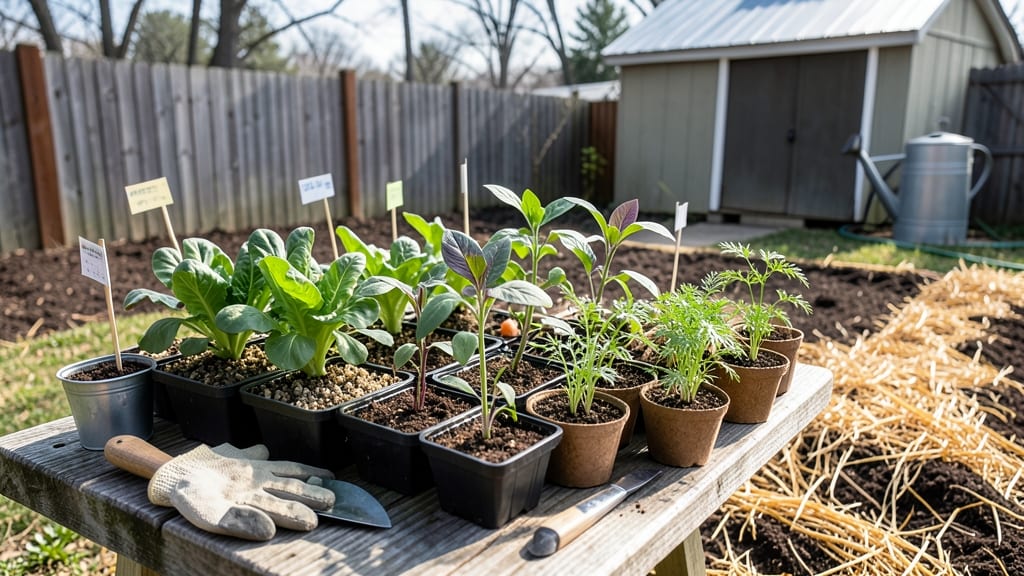
When to plant a vegetable garden in Missouri can make the difference between a bountiful harvest and a sad, wilted disappointment. With USDA Zones 5b through 7a across the state, knowing exactly when to plant—whether it's tomatoes in May or kale in September—isn’t just helpful, it’s essential.
I’ve spent years growing vegetables in Missouri’s shifting seasons, and the key to success isn’t just luck—it’s understanding your local frost dates and soil conditions.
Whether you’re in St. Louis’s urban heat pockets or the cooler hills of the Ozarks, getting the timing right ensures your 🌱 thrives from spring through fall.
In this guide, I’ll break down the exact planting windows for your zone, from cool-season crops like lettuce to heat-lovers like peppers. You’ll learn how to beat frost risks, extend your growing season, and even adjust for Missouri’s microclimates—so you can enjoy fresh veggies all season long.
No more guessing games. Let’s get your garden growing on the right schedule—because in Missouri, timing is everything.
Missouri spring planting deadlines by USDA Zone: avoid last-frost risks
Missouri’s spring planting window varies dramatically from the northern Ozarks (Zone 5b) to southern Missouri (Zone 7a). The key factor? Your last average frost date, which can shift by weeks across the state.
In Zone 5b, gardeners typically wait until mid-to-late April, while Zone 7a gardeners can start as early as mid-March for heat-loving crops.
Cool-season vegetables like lettuce, spinach, and peas thrive when planted 4-6 weeks before your last frost date. Meanwhile, tomatoes, peppers, and basil need warm soil (60°F+) and should wait until 2 weeks after your last frost. Use a soil thermometer to confirm readiness—cold soil delays germination.
Missouri’s frost-free growing season ranges from 150 days in Zone 5b to 210 days in Zone 7a. This means longer harvest windows for southern gardeners, but northern growers must prioritize fast-maturing varieties or use row covers to extend the season.
Here’s how to use Missouri’s USDA Zones 5b-7a to time your spring plantings perfectly:
For Zone 5b gardeners, I recommend starting cool-season crops indoors in late February to give them a head start. Use grow lights if natural light is limited, and transplant seedlings outdoors 2 weeks before your last frost to harden them off.
In Zone 7a, you can even sow warm-season crops like tomatoes directly in the ground by mid-March if you use black plastic mulch to warm the soil faster.
Missouri’s spring planting calendar isn’t just about frost dates—it’s also about soil temperature. Use a soil thermometer to ensure your soil is at least 50°F for peas and 60°F for tomatoes.
If your soil is too cold, germination will be slow or fail entirely. Pro tip: Raised beds warm up faster than in-ground soil, giving you a 2-week head start on planting.
Don’t forget about succession planting! In Missouri, you can often sow lettuce every 2 weeks from spring until early fall. This ensures a continuous harvest and prevents bolting (when greens go to seed too quickly).
For warm-season crops, stagger plantings of beans and cucumbers every 10–14 days to extend your harvest window.
If you’re in Zone 5b or 6a, consider using row covers or cold frames to push your planting window earlier. These can raise soil temperatures by 5–10°F and protect young plants from late frosts. Just remove covers once plants are established to avoid overheating or pest buildup.
Finally, keep an eye on Missouri’s weather forecasts in early spring. A late frost can wipe out tender seedlings, so have row covers or a backup planting plan ready. I’ve lost entire tomato seedlings to a May frost—don’t let that happen to you!
By following these zone-specific deadlines and adjusting for your local microclimate, you’ll maximize your spring harvest potential and avoid the heartbreak of frost-damaged plants. Happy planting! 🌱
Fall planting in Missouri: best crops and last-dates to beat winter
Fall planting in Missouri offers a second chance to grow fresh vegetables before winter sets in. Unlike spring, when you race against last frost dates, fall lets you work with first frost risks and cooler soil temperatures.
Cool-season crops like kale, carrots, and spinach thrive in these conditions, while warm-season holdovers like green beans and cucumbers can extend their harvests.
Missouri’s first frost dates vary by zone—typically between October 15 and November 15—so timing is everything. Plant too late, and frost will damage tender seedlings. But with the right fall planting strategy, you can enjoy homegrown veggies well into winter.
Start by choosing crops that mature quickly and can handle cooler temperatures.
🌱 Did You Know? Missouri’s fall planting window can stretch from mid-August to mid-October, depending on your zone. This gives you plenty of time to plant multiple successive crops for continuous harvests.
| Crop | Best Planting Time | Days to Maturity | Frost Tolerance |
|---|---|---|---|
| Kale | Mid-August to September | 30-60 days | High (survives light frost) |
| Carrots | Late July to September | 60-80 days | Moderate (protect from hard frost) |
| Spinach | Late August to October | 30-50 days | High (thrives in cool weather) |
| Green Beans | Mid-August to September | 50-60 days | Moderate (needs warm soil) |
| Lettuce | Late July to September | 30-50 days | Moderate (bolt in heat) |
To maximize your fall harvest, prepare your soil in early summer by adding compost and organic matter to improve drainage and fertility. Test your soil’s pH—most vegetables prefer a range of 6.0 to 7.0.
If your soil is still warm from summer, consider using shade cloth to cool it down before planting.
Stagger your plantings every 2-3 weeks to ensure a steady supply of fresh produce. For example, plant a batch of spinach in late August, another in early September, and a final batch in mid-September. This way, you’ll have harvests throughout fall and even into early winter with protection.
Use row covers or cold frames to extend the season further. These simple tools can protect tender plants from light frosts and even allow you to harvest leafy greens well into December in most of Missouri. Just be sure to remove covers during the day to prevent overheating.
Keep an eye on the weather forecast and adjust your planting dates accordingly. If an early frost is predicted, prioritize planting fast-maturing crops or use mulch to insulate the soil and roots. With the right approach, your fall garden can be just as productive as your spring one! 🌿