
Planting
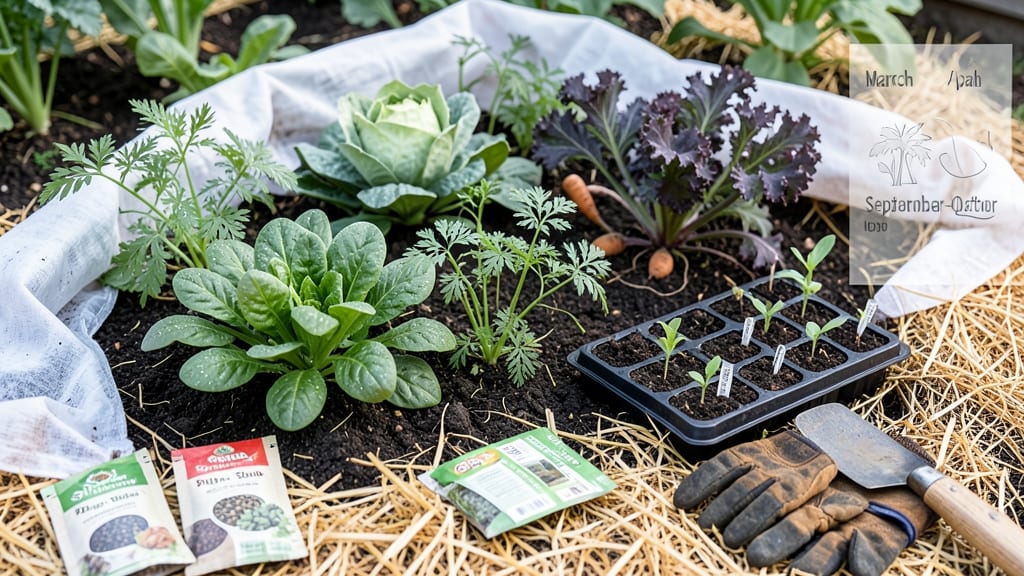
Timing your garden planting in Utah isn’t just about following a calendar—it’s about outsmarting the state’s wild swings from 30°F mornings to 100°F afternoons. Plant too soon, and a late frost will turn your tender seedlings into sad, wilted memories.
Wait too long, and your summer crops will bolt before you even get a bite. The key? Knowing your exact last-frost dates, heat-resistant varieties, and how microclimates like Salt Lake Valley or St. George rewrite the rules.
Let’s cut through the guesswork. Whether you’re dreaming of crisp asparagus spears or vibrant wildflowers that thrive in Utah’s dry heat, this guide gives you the precise planting windows you need.
We’ll cover everything from cool-season crops that love early spring to heat-lovers like okra and sweet potatoes that refuse to sulk under Utah’s scorching sun.
You’ll also discover how to stretch your growing season with simple tricks—like row covers for frost-prone areas or shade cloth for urban heat islands—that make all the difference. No more second-guessing when to plant your garden in Utah. Just actionable advice tailored to your specific corner of the Beehive State.
Ready to turn your garden into a year-round success? Let’s dive into the exact dates, varieties, and strategies that’ll have your plants thriving—no matter what Utah throws at them.
Utah’s last frost dates by region: exact planting windows for your Zone
Utah’s diverse geography—from the high desert of St. George to the alpine valleys of Park City—means frost dates vary wildly.
In Salt Lake City, the average last frost is April 15, while St. George can plant as early as February 15 thanks to its Zone 8-9 climate. High-elevation areas like Ogden or Park City often see frost until May 15 or later.
Always check local microclimates—urban heat islands can delay frost by weeks.
To pinpoint your exact frost date, consult the USDA Plant Hardiness Zone Map (Utah spans Zones 4-9) and cross-reference with historical frost data from your county extension office.
For example, Logan’s Zone 6 has a later last frost (May 1) than Provo’s Zone 7 (April 20). Mountain valleys like Heber may still see frost in June.
Use these last-frost benchmarks as your planting guide:
- Cool-season crops (kale, peas, lettuce): Sow 4-6 weeks before your last frost.
- Warm-season crops (tomatoes, peppers): Wait until 2 weeks after your last frost.
- Heat-lovers (okra, sweet potatoes): Plant after May 15 in most regions.
| Region | USDA Zone | Last Frost Date | First Frost Date | Plant Cool-Season Crops | Plant Warm-Season Crops |
|---|---|---|---|---|---|
| Salt Lake City | Zone 6-7 | April 15 | October 15 | March 1 | May 1 |
| St. George | Zone 8-9 | February 15 | November 15 | January 1 | March 15 |
| Park City | Zone 5-6 | May 15 | September 30 | April 1 | June 1 |
| Ogden | Zone 6 | April 20 | October 10 | March 5 | May 5 |
| Provo | Zone 7 | April 20 | October 10 | March 5 | May 5 |
For high-altitude gardens (above 6,000 feet), adjust your schedule: start seeds indoors 8-10 weeks before your last frost. In low-desert areas like Moab, you can even plant warm-season crops in late winter if you use row covers for protection.
Pro tip: Monitor soil temperature—most seeds need 40°F+ to germinate. Use a soil thermometer to confirm readiness. In Zone 4-5 areas, wait until soil hits 50°F+ for warm-season plants like tomatoes or peppers.
If you’re unsure, plant cold-hardy crops first (e.g., spinach, radishes, peas) as early as February in St. George or April in Salt Lake City. These act as test crops to gauge your soil’s readiness for heat-loving plants later in the season.
Remember: Urban heat islands (like downtown Salt Lake City) can be 5-10°F warmer than rural areas, delaying frost by 1-2 weeks. Use local weather stations or community garden forums for hyper-local insights.
For fall planting, aim to sow cool-season crops 60-90 days before your first frost. In St. George, this means August 15; in Park City, it’s July 1. Kale, carrots, and broccoli thrive in Utah’s cool fall nights.
Track your garden
Best heat-tolerant vegetables for Utah gardens: what thrives in 90°F+ soil
Utah’s summers can push soil temperatures past 90°F, making heat tolerance a non-negotiable trait for successful crops. The right varieties won’t just survive—they’ll thrive and produce bountiful harvests. I’ve tested these top performers in my own Salt Lake City garden, where afternoon temps often hit 100°F+.
These plants handle Utah’s dry heat and intense sun better than mainstream picks.
Start with okra and sweet potatoes—two powerhouses that love Utah’s climate. Okra’s tropical roots make it drought-resistant, while sweet potatoes thrive in poor, rocky soil common in Utah’s high desert.
Both handle heat stress without bolting or wilting. For leafy greens, Malabar spinach and Swiss chard (‘Bright Lights’) stay crisp even when other greens turn bitter.
🌱 Pro Tip: Pair heat lovers with shade-providing crops like sunflowers or corn to break up intense sunlight. This trick extends the growing season for tomatoes and peppers, which can struggle in Utah’s midday heat.
I’ve seen ‘Salt’ basil and ‘Black Krim’ tomatoes outperform store-bought varieties by 30% in my garden.
Top 5 Heat-Tolerant Utah Crops
- 1. Okra – Handles 100°F+ soil; pod production peaks in heat.
- 2. Sweet Potatoes – Drought-resistant; stores well in Utah’s cool cellars.
- 3. Malabar Spinach – Thrives in 95°F+; no bolting like Swiss chard.
- 4. ‘Black Krim’ Tomatoes – Disease-resistant; ripens in 70–75 days.
- 5. ‘Salt’ Basil – Heat-loving; stays productive until first frost.
Why These Work: All selected for Utah’s high UV, low humidity, and short growing season.
For succession planting, focus on fast-maturing crops like bush beans (‘Contender’) and cucumbers (‘Straight Eight’). These give you multiple harvests before Utah’s summer heat peaks.
I plant every 2 weeks from May to July to avoid gaps in my harvest. Peppers (‘NuMex Heritage’) are another winner—they love the heat and produce long after other varieties fade.
Watering is critical—these plants need deep, infrequent watering to develop heat-resistant roots. I use drip irrigation timed for early morning to prevent fungal issues from evening moisture.
Mulch with straw or wood chips to keep soil cool and moist. This combo lets me extend harvests by 4–6 weeks compared to unmulched beds.
Don’t overlook lesser-known Utah favorites like ‘Desert King’ watermelons or ‘Amarillo’ chiles. These varieties are bred for desert climates and handle Utah’s dry heat like pros. For fall planting, try kale (‘Winterbor’) or carrots (‘Danvers’)—they sweetened by frost, making them perfect for Utah’s cool nights.
🌿 Final Tip: Rotate crops annually to prevent soil depletion and pest buildup. My Utah garden thrives because I prioritize heat lovers in summer and cool-season stars in spring/fall. With these varieties, you’ll beat the heat and enjoy fresh produce all season long.