
Planting
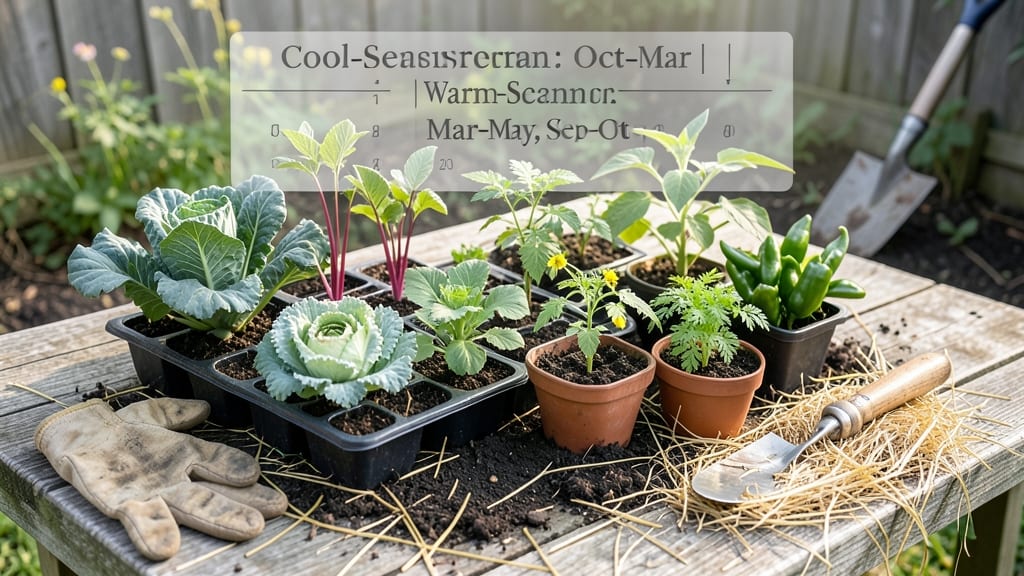
Timing your vegetable garden planting in California can make or break your harvest—because a single week too early or late might leave you with wilted seedlings or stunted growth. The Golden State’s wild mix of coastal breezes, Central Valley heat, and desert sun means there’s no one-size-fits-all answer.
Whether you’re in frost-prone Sacramento or sweltering Palm Springs, knowing the exact window for your microclimate is the key to a thriving garden.
I’ve spent years tracking planting patterns across California’s three distinct zones, and the differences are staggering. Coastal areas like Santa Barbara can start spinach in October, while inland valleys like Fresno wait until February—yet both regions face unique risks like late frosts or scorching summers.
The secret? Matching your crops to your local frost-free dates and heat tolerance thresholds. Let’s break down the region-specific schedules that’ll help you avoid common mistakes and maximize your yields.
What if you could plant lettuce in January without fear of frost or tomatoes in May without wilting? That’s the power of understanding your microclimate’s nuances. From coastal fog belts to desert oases, each area has its own rhythm.
I’ll walk you through the optimal planting windows for 12 of California’s most popular vegetables, plus pro tips to stretch your growing season—whether you’re shielding seedlings from coastal chills or shielding them from desert heat.
Ready to stop guessing and start growing? By the end of this guide, you’ll know not just when to plant, but how to protect your garden from California’s most common pitfalls. Let’s get those 🌱 seeds in the ground at the perfect moment—for once and for all.
California planting zones explained: key dates by coastal, valley, and desert regions
California’s microclimates create a gardening puzzle with three distinct zones: coastal, Central Valley, and desert. Each has unique frost-free dates and planting windows that can differ by 6-8 weeks. Understanding these zones helps you avoid frost damage or heat stress while maximizing your harvest.
Coastal areas like San Francisco and Santa Barbara enjoy milder winters with rare frosts, while inland valleys like Sacramento face hard freezes (20-30°F). Desert regions like Palm Springs have no frost but intense summer heat (100°F+), requiring shade-tolerant crops. Let’s break down the critical dates for each zone.
🌱 Key Takeaway: Coastal areas can plant 2-3 weeks earlier than valleys, and deserts have year-round planting for heat-loving crops.
For coastal gardeners, the last frost date is typically mid-February, allowing early starts for lettuce and peas. However, Santa Barbara’s Mediterranean climate lets you plant spinach as late as October without frost risk.
In contrast, Central Valley gardeners must wait until mid-March for frost-free soil, delaying tomato transplants until April.
Desert regions like Palm Springs have no frost, but summer heat (100°F+) limits planting to spring (February–March) and fall (September–October). Okra and sweet potatoes thrive here, while tomatoes need shade cloth to prevent sunscald.
Always check local microclimates—a 5-mile elevation change can shift frost dates by 2 weeks.
Use the USDA Plant Hardiness Zone Map for your exact location, but remember: microclimates (e.g., urban heat islands, windy coasts) can override zone guidelines. For example, Los Angeles (Zone 10a) might still see light frosts in December in inland areas like La Cañada.
Always monitor local weather forecasts and adjust your planting schedule accordingly.
Pro tip: Start seeds indoors 6-8 weeks before your region’s last frost date for tomatoes, peppers, and eggplants. Coastal gardeners can begin in January, while valley gardeners should wait until February.
Desert gardeners can plant year-round but focus on heat-tolerant varieties like Malabar spinach or black-eyed peas.
Best vegetables to plant by month in California (with regional adjustments)
California’s three distinct climates—coastal, Central Valley, and desert—mean your monthly planting calendar should shift dramatically. For example, spinach thrives in coastal October while okra loves desert May heat. Let’s break down what to plant when, tailored to your microclimate.
Start with cool-season crops like lettuce and peas in cooler months (November–March) for coastal areas. Inland valleys can plant broccoli as early as January, while desert regions wait until March for frost-sensitive greens. Heat-lovers like tomatoes and peppers belong in late spring to summer everywhere.
Here’s your quick-reference guide for 12 staple vegetables, adjusted by region:
| Vegetable | Coastal | Central Valley | Desert |
|---|---|---|---|
| Lettuce | Oct–Mar | Nov–Feb | Mar–May |
| Broccoli | Sep–Nov | Jan–Mar | Nov–Jan |
| Tomatoes | Mar–May | Feb–Apr | Apr–Jun |
| Peppers | Apr–Jun | Mar–May | May–Jul |
| Spinach | Oct–Feb | Nov–Jan | Feb–Apr |
| Okra | Jun–Aug | May–Jul | Jun–Sep |
| Carrots | Feb–May | Jan–Apr | Mar–Jun |
| Cucumbers | Apr–Jun | Mar–May | May–Jul |
For coastal gardeners, prioritize fall and winter plantings to beat summer heat. In the Central Valley, aim for early spring starts to avoid blistering July temps. Desert gardeners should focus on late spring to early fall when soil stays warm.
Pro tip: Use succession planting for fast growers like radishes or lettuce. Sow every 2–3 weeks to ensure a steady harvest. For example, plant radishes every 10 days from February to May in coastal areas.
Always check your local frost dates—even in deserts like Palm Springs, unexpected cold snaps can occur. When in doubt, ask your county agricultural extension office for hyper-local advice.