
Planting
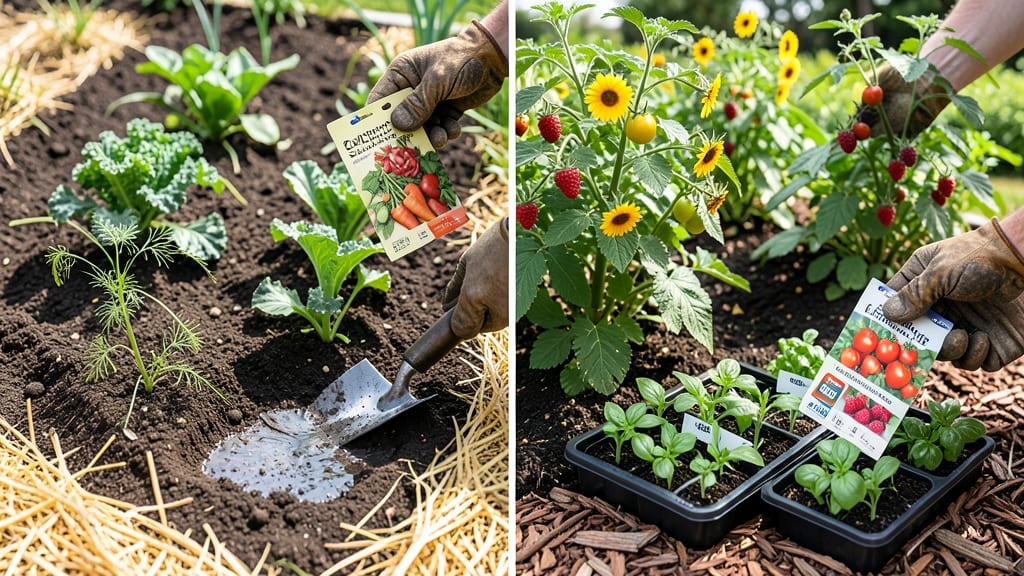
Timing your garden planting in Oregon can mean the difference between lush harvests and bitter disappointment—especially when it comes to avoiding bolted greens and fragile seedlings.
With USDA zones ranging from 7b to 9a, Oregon’s diverse microclimates make it tricky to get the timing right, whether you're in coastal 7b-8a or the high desert’s 5b-7a.
Most gardeners know the general rule: plant cool-season crops like spinach and peas in early spring, but Oregon’s last frost dates vary wildly. Coastal areas might be frost-free by mid-April, while Eastern Oregon could still see frost in early June.
That’s why knowing your local frost window is the key to success.
In this guide, I’ll break down the ideal planting windows for your region, including how to prep your soil and extend the growing season without risking frost damage. You’ll learn exactly when to start seeds indoors, when to transplant, and which crops thrive in Oregon’s mild but unpredictable climate.
Whether you’re a beginner or a seasoned gardener, these tips will help you avoid common mistakes—like planting too early and watching your seedlings freeze or bolting before harvest. Let’s get your 🌱 garden off to the best start possible!
Oregon last frost dates by region: critical timing for vegetable planting
Oregon’s diverse climate—from the mild coastal fog to the hot inland valleys—means frost dates vary wildly. Getting these wrong can turn your seedlings into ice cubes or send heat-sensitive crops bolting prematurely. The key is understanding your microclimate and adjusting planting windows accordingly.
For most of Oregon, the last spring frost typically arrives between mid-April and early June, depending on elevation and proximity to the coast. Meanwhile, the first fall frost can sneak in as early as mid-September in the high desert or linger until December on the coast.
These variations are why I always check local frost records before planting my warm-season crops.
Here’s how Oregon’s three main regions break down for vegetable planting success, including microclimate adjustments for urban gardeners:
| Region | USDA Zone | Last Frost Date | First Frost Date | Frost-Free Days | Planting Window |
|---|---|---|---|---|---|
| Coastal (Astoria, Cannon Beach) | 7b–8a | April 15–May 1 | November 15–December 1 | 200–240 | March–June (spring); August–October (fall) |
| Willamette Valley (Portland, Salem) | 7b–8b | April 1–15 | October 15–November 15 | 180–220 | March–May (spring); August–September (fall) |
| High Desert (Bend, La Pine) | 5b–7a | May 15–June 1 | September 15–October 15 | 120–180 | May–June (spring); July–August (fall) |
| Urban Microclimates (e.g., Portland rooftops) | 7b–8a | April 1–May 1 (varies by elevation) | October 1–November 1 | 160–200 | March–June (spring); August–October (fall) |
If you’re gardening in Portland’s urban heat islands, for example, you might push your tomato planting a week earlier than the valley average. Conversely, coastal gardeners can often plant spinach and peas as early as February thanks to cooler temperatures.
Always account for microclimate shifts—like a south-facing wall that warms up faster—or risk frost damage to tender seedlings.
For cool-season crops like kale, broccoli, and carrots, I recommend planting 4–6 weeks before your last frost date. These hardy veggies can handle light frosts and may even taste sweeter after a light freeze.
Meanwhile, warm-season crops like tomatoes, peppers, and cucumbers need to wait until two weeks after your last frost date to avoid chilling injury.
Pro tip: Use OSU Extension’s frost date maps for your exact location—these are updated annually to reflect climate change shifts. For example, Portland’s last frost date has crept earlier by 3–5 days per decade over the past 30 years.
Adjusting your planting schedule accordingly can mean the difference between a bountiful harvest and a wasted seed packet.
Don’t forget about first frost dates when planning fall crops! In the Willamette Valley, you can often squeeze in a second planting of lettuce or radishes in early September, but by mid-October, even kale and Swiss chard start feeling the chill.
In eastern Oregon, frost can arrive as early as September, so plan your summer squash and beans to
Best vegetables to plant by month in Oregon: avoiding bolting and heat stress
Oregon’s diverse climate zones mean your planting calendar should shift dramatically between coastal regions, the Willamette Valley, and high desert areas. For example, spinach bolted by May in Bend but thrives until July in Portland.
Understanding these monthly windows helps you avoid wasted effort and failed crops.
Start with cool-season crops like kale, carrots, and peas in February or March, even before your last frost. These hardy greens tolerate Oregon’s chilly springs and often produce bolting-resistant varieties if planted early.
Warm-season tomatoes and peppers, however, need to wait until after May 15 in most regions to avoid frost damage.
Here’s a month-by-month breakdown of what to plant—and what to avoid—to maximize your Oregon garden’s potential:
Plant broccoli, cabbage, lettuce, onions, and spinach. Avoid tomatoes and peppers—they’ll stunt in cold soil.
Add peas, radishes, and beets. Start warm-season seedlings (like tomatoes) indoors for late-May transplanting.
Plant beans, cucumbers, squash, and eggplants. Lettuce and spinach will bolt—replace with shade-tolerant herbs like cilantro or basil.
Sow kale, brussels sprouts, and garlic for winter harvests. Tomatoes and peppers can still thrive if planted early in August.
Focus on garlic, overwintering onions, and cover crops like clover. Avoid planting anything frost-sensitive after October 15 in most zones.
Pro tip: Use succession planting for fast-growing crops like radishes or bush beans every 2–3 weeks to extend harvests. For example, plant a new batch of lettuce every 30 days from March to September to ensure a steady supply.
Oregon’s mild winters also allow for year-round greens like kale or swiss chard, which can be harvested even under light frost. Just protect them with row covers during hard freezes (below 20°F).
Remember: Heat stress is your biggest enemy in July and August. Choose heat-tolerant varieties like ‘Heatmaster’ tomatoes or ‘Black Seeded Simpson’ lettuce to avoid bitter, bolted greens. Mulch heavily to retain soil moisture and keep roots cool.